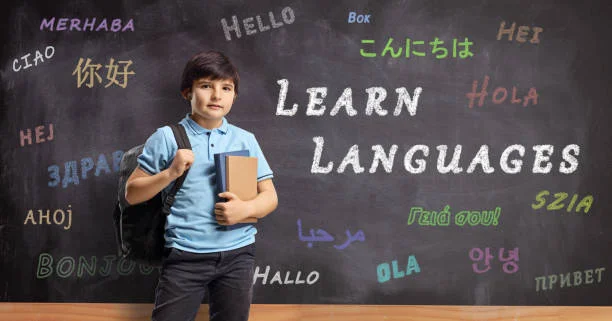
Spanish Language Learning for Kids is one of the most effective ways parents and educators can nurture early brain development while preparing children for an increasingly connected world. Introducing Spanish at a young age is not simply Bilingual Education about teaching words or phrases. It shapes how children think, communicate, and relate to others. When Spanish Language Learning for Kids begins early, children absorb the language naturally, often with ease and enthusiasm that is difficult to replicate later in life.
Why Spanish Language Learning for Kids Is So Important Today
Spanish Language Learning for Kids has grown in importance as bilingualism becomes a practical life skill rather than a bonus. Spanish is one of the most widely spoken languages globally, and familiarity with it allows children to engage with diverse cultures and communities. Kids involved in Spanish Language Learning for Kids often show improvements in memory, listening skills, and overall mental flexibility. These benefits influence academic performance across subjects, including reading comprehension and problem solving Bilingual Education.
Children are especially receptive to language during early development. Spanish Language Learning for Kids works best when it feels organic instead of structured like a traditional classroom subject. Through repetition, tone, and context, kids internalize Spanish in a way that mirrors how they learned their first language, making fluency feel natural rather than forced.
Cognitive Benefits of Spanish Language Learning for Kids
Spanish Language Learning for Kids supports the development of executive function skills such as focus, adaptability, and working memory. Switching between languages strengthens the brain’s ability to manage multiple tasks and filter information efficiently. Over time, this mental flexibility leads to stronger attention spans and improved decision-making.
Beyond cognitive performance, Spanish Language Learning for Kids also encourages emotional intelligence. Children learn that ideas can be expressed in more than one way, helping them develop empathy and cultural awareness. Understanding that people communicate differently fosters patience, curiosity, and respect for diversity Bilingual Education.
Building a Supportive Environment for Spanish Language Learning for Kids
A positive atmosphere is essential for Spanish Language Learning for Kids. Children learn best when they feel encouraged and relaxed rather than pressured. Daily routines provide ideal moments to introduce Spanish naturally, whether during meals, playtime, or bedtime. Short, consistent exposure is far more effective than occasional long sessions.
Spanish Language Learning for Kids becomes most successful when it is woven into everyday life. Using simple phrases regularly helps children associate Spanish with familiar experiences. Over time, these small interactions build confidence and comfort with the language.
Spanish Language Learning for Kids at Home
Spanish Language Learning for Kids does not require parents to be fluent speakers. Learning alongside children often increases motivation and creates a shared sense of achievement. When adults show curiosity and openness, children feel more confident experimenting with new words and sounds.
Reading bilingual books Bilingual Education, watching age-appropriate Spanish content, or incorporating Spanish into games can transform the home into a language-rich environment. Spanish Language Learning for Kids thrives when learning feels like exploration rather than instruction.
The Power of Play in Spanish Language Learning for Kids
Play is a cornerstone of effective Spanish Language Learning for Kids. Games, songs, and imaginative activities turn repetition into enjoyment. When children associate Spanish with fun, they are far more likely to remain engaged over time. Physical movement, storytelling, and role-playing help activate multiple learning pathways, reinforcing comprehension naturally.
Spanish Language Learning for Kids through play also removes fear of mistakes. Children feel free to experiment with pronunciation and sentence structure, which accelerates fluency. Instead of memorizing rules, they learn patterns intuitively, much like native speakers do.
Cultural Understanding Through Spanish Language Learning for Kids
Spanish Language Learning for Kids is closely tied to cultural discovery. Language reflects traditions, values, and ways of thinking Bilingual Education. Introducing cultural elements such as music, celebrations, and stories helps children understand Spanish as a living language used by real people around the world.
When Spanish Language Learning for Kids includes cultural context, motivation increases. Children begin to see the language as meaningful rather than abstract. This connection strengthens memory retention and deepens appreciation for diversity.
Long-Term Advantages of Spanish Language Learning for Kids
The benefits of Spanish Language Learning for Kids extend well into adulthood. Early bilingual learners often find it easier to acquire additional languages later in life. They also tend to have stronger communication skills and greater confidence in academic settings.
Spanish Language Learning for Kids can influence future educational and professional opportunities. Bilingual individuals are in demand across many industries, from education and healthcare to business and technology. While these outcomes may seem distant, the foundation built during childhood has lasting impact.
Keeping Spanish Language Learning for Kids Engaging as Children Grow
Sustaining interest is key to successful Spanish Language Learning for Kids. As children mature, activities should evolve to match their interests. Stories can become more detailed, conversations more expressive, and challenges more interactive. Allowing kids to explore topics they enjoy keeps learning relevant and exciting.
Positive reinforcement plays a major role in long-term success. Spanish Language Learning for Kids is a gradual process, and celebrating small milestones helps maintain confidence and motivation.
Final Thoughts on Spanish Language Learning for Kids
Spanish Language Learning for Kids is an investment in a child’s cognitive, social, and emotional future. By introducing Spanish early and consistently, parents and educators give children tools that last a lifetime. The goal is not perfection, but curiosity, connection, and confidence.
When Spanish Language Learning for Kids and Bilingual Education becomes a natural part of daily life, it transforms into a joyful experience rather than a task. Over time, children grow into capable communicators who see language as a bridge to understanding the world around them.
Don’t miss this highlighted read packed with standout insights and value.