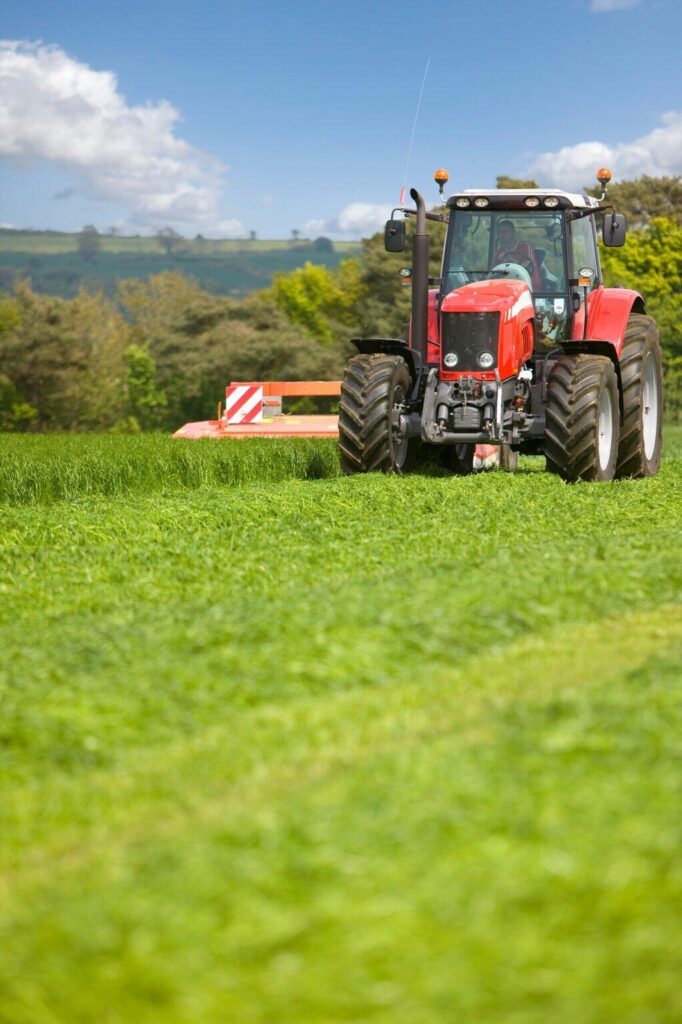
Farms face challenges from weather, soil, and market changes. Using smart farm management strategies helps increase yields and save resources. Planning crops carefully improves results.
Efficient water and soil management keeps plants healthy. Tracking growth and using simple tools makes work easier.
Managing labor and equipment wisely reduces waste. Explore these strategies to make your farm more productive and profitable.
Precision Crop Planning
Precision crop planning ensures each field gets the right seeds at the right time. By analyzing soil and climate data, farmers can select crops suited to each area. Proper planning reduces waste and increases output. It also helps forecast yields and plan labor efficiently.
Crop rotation strategies prevent soil depletion and manage pests naturally. Monitoring growth stages improves fertilizer and water use. Smart planning considers market demand to avoid surplus or shortages.
Tools and simple record-keeping can track progress and results. Planning with precision builds stronger yields and lowers risk.
Efficient Water Management
Water is a critical resource for any farm. Efficient irrigation systems prevent overuse and conserve water. Scheduling watering based on weather and soil conditions ensures crops receive enough moisture.
Rainwater collection and storage improve resource availability. Monitoring soil moisture helps prevent stress on plants. Using sensors or simple observation guides better watering decisions.
Proper water management reduces costs for energy and maintenance. Healthy crops with sufficient water grow faster and resist disease. Efficient water use is a key part of smart farm management strategies.
Soil Health Monitoring
Soil health is the foundation of strong crops. Testing soil regularly shows nutrient levels and pH balance. Adding organic matter improves fertility and structure. Avoiding overuse of chemicals protects beneficial organisms.
Cover crops prevent erosion and retain moisture. Rotation and composting maintain long-term productivity. Healthy soil supports plant growth and reduces disease risks.
Observing soil texture and color provides early signs of problems. Maintaining soil health leads to higher yields and better resource efficiency.
Integrated Pest Management
Controlling pests protects crops without harming the environment. Monitoring pest activity helps target interventions. Using natural predators and barriers reduces chemical dependence.
Rotating crops disrupts pest life cycles. Applying pesticides only when necessary saves costs and protects soil. Early detection of pests prevents major infestations.
Combining methods creates a balanced approach. Educating farm workers on identification and control improves results. Integrated pest management keeps crops healthy and sustainable.
Smart Fertilization Practices
Fertilizer supports plant growth when used correctly. Testing soil determines nutrient needs. Applying only what is required avoids waste and runoff. Timing applications with growth stages improves efficiency.
Using slow-release fertilizers provides steady nutrients. Combining organic and synthetic sources benefits soil health. Tracking application records helps plan future needs.
Over-fertilization can harm crops and the environment. Smart fertilization ensures strong growth and reduces costs.
Equipment Optimization
Using farm equipment efficiently saves time and fuel. Regular maintenance prevents breakdowns and costly repairs. Choosing the right equipment for each task improves performance.
Tracking usage schedules prevents overwork and wear. Training operators ensures safe and effective use. Monitoring fuel and energy consumption reduces expenses.
Planning field operations reduces idle time and overlaps. Modern sensors and simple tools can guide usage. Optimized equipment use increases productivity and lowers costs.
Crop Data Tracking
Tracking crop performance provides insights for better decisions. Recording planting, growth, and yield data reveals patterns. Identifying trends helps adjust future plans. Monitoring weather, soil, and irrigation supports data-driven choices.
Digital or manual logs help analyze results quickly. Sharing data with workers improves coordination. Evaluating successes and failures refines strategies. Consistent tracking improves efficiency and reduces mistakes. Crop data tracking strengthens overall farm management.
Labor Management
Managing labor efficiently keeps operations smooth. Assigning tasks based on skill ensures faster work. Scheduling shifts prevents overwork and reduces errors. Monitoring performance highlights training needs.
Using simple tracking systems records hours and output. Clear communication avoids misunderstandings. Training workers in best practices improves productivity. Recognizing effort motivates staff. Smart labor management increases efficiency and reduces waste.
Risk Management
Farms face risks from weather, pests, and markets. Identifying risks early allows for planning. Crop insurance and safety measures reduce financial loss. Diversifying crops spreads risk across multiple sources.
Monitoring market trends helps time sales and purchases. Preparing backup plans prevents major disruptions. Using protective structures shields crops from damage. Regular assessment of risks keeps farms resilient. Smart risk management supports steady production and profit.
Technology Integration
Technology simplifies many farm processes. Sensors monitor soil moisture and weather conditions. Automated systems reduce manual labor. Drones or cameras can track crop health over large fields.
Data collection improves decision-making and efficiency. Simple software tools organize schedules and resources. Technology helps detect problems early. Training staff to use tools ensures consistent results. Integrating technology strengthens productivity and management.
Financial Planning
Proper financial planning guides sustainable growth. Tracking income and expenses avoids surprises. Budgeting for seed, fertilizer, and equipment ensures resources are available. Monitoring cash flow identifies potential shortfalls.
Planning investments carefully reduces debt risks. Analyzing profits per crop helps focus on high-yield options. Reviewing financial data regularly supports better decisions. Financial planning includes risk and contingency strategies. Strong financial planning keeps farm operations stable and profitable.
Land and Resource Management
Managing land and resources efficiently maximizes output. Rotating fields prevents soil depletion. Protecting natural areas maintains biodiversity. Simple mapping of fields tracks usage and needs. Water and fertilizer use is monitored for efficiency.
Maintaining fences and structures ensures smooth operations. Observing land conditions identifies early problems. Implementing best practices reduces waste and costs. Firms like Midwest Land Management farm management or other firms near you might provide support for implementing these strategies effectively.
Market Planning
Planning for the market ensures crops sell at the right time. Understanding demand helps choose which crops to grow. Timing harvests improves prices. Tracking competitors and market trends guides decisions.
Preparing storage and transport keeps crops in good condition. Budgeting for marketing and sales avoids surprises. Simple planning prevents surplus or shortage. Observing customer needs strengthens sales. Smart market planning increases profits and reduces risk.
Go for Smart Farm Management Strategies for Stronger Yields
Smart farm management strategies improve crop yields and resource use. Planning, monitoring, and using technology create stronger operations. Efficient water, soil, and labor management reduce waste.
Tracking data and finances supports informed decisions. Pest and risk management protect crops and income.
Optimized equipment and fertilization increase efficiency. Implementing these strategies ensures long-term productivity and growth.
Should you wish to read more, you may visit our blog. We’ve got more topics!