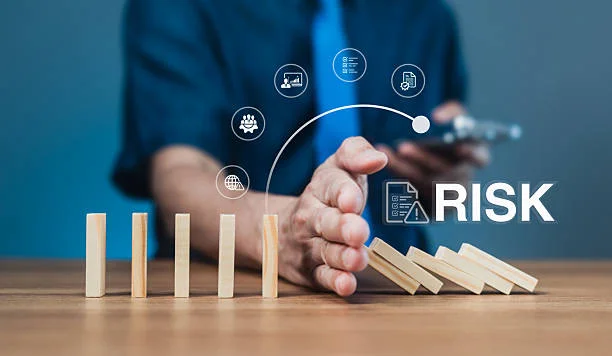
Understanding Operational Disruption
Operational disruption refers to any event or situation that interrupts the normal flow of business activities. These disruptions can be caused by natural disasters, cyber attacks, supply chain failures, or internal errors. The impact can range from minor delays to significant financial losses and reputational damage.
In today’s fast-paced business world, operational disruption poses a major challenge. Even a brief interruption can impact customer trust, decrease productivity, and lead to financial penalties. Understanding the various types and sources of disruption is the first step in developing effective strategies to mitigate their impact.
Businesses need to recognize that no organization is immune. External events, such as extreme weather or global supply chain issues, can suddenly halt operations. Similarly, internal problems such as system failures or human mistakes can have far-reaching effects. By understanding the broad range of potential disruptions, companies can better prepare and protect themselves against them.
The Business Case for Risk Management
Risk management is the process of identifying, assessing, and addressing potential threats to an organization’s operations. Companies across all industries face threats, including the potential impact of cyber risks on their businesses. A structured approach to risk management can help organizations anticipate problems and put measures in place to reduce their impact.
The need for risk management is greater than ever. As organizations expand their digital footprint and rely more on interconnected systems, the range of risks grows. According to a report by the World Economic Forum, business leaders rank cyber threats and supply chain failures among the top risks to global operations.
Risk management is not just about avoiding losses; it is also about mitigating them. It can also help organizations gain a competitive edge. When a business is prepared for disruption, it can recover faster and maintain customer trust. This reliability can become a key differentiator in the market.
Types of Operational Risks
Operational risks come in many forms. Cyber threats, including data breaches, are becoming increasingly common. Physical risks include equipment failure or natural disasters. Human risks might involve employee errors or fraud. Understanding the different types of risks helps organizations prepare and prioritize their responses. According to the U.S. Department of Homeland Security, businesses should assess risks regularly to stay prepared for both common and emerging threats.
Other risks include compliance violations, which can result in legal penalties, and third-party risks, where vendors or partners experience disruptions that impact your operations. Each risk type requires specific strategies for mitigation. For instance, while insurance can transfer some financial risk, it cannot restore lost data or reputation.
In recent years, global events have highlighted the importance of understanding operational risks. The COVID-19 pandemic, for example, exposed weaknesses in supply chains and forced many organizations to rethink their risk management strategies. Preparation and flexibility are key to managing both expected and unexpected risks.
Developing an Effective Risk Management Plan
An effective risk management plan begins with a thorough risk assessment. This includes identifying assets, evaluating potential threats, and estimating the likelihood and impact of each risk. Once risks are identified, organizations should decide how to manage them, whether by avoiding, mitigating, transferring, or accepting them. The Federal Emergency Management Agency (FEMA) offers guidelines on creating business continuity and risk management plans.
A good plan outlines clear roles and responsibilities for employees. It outlines procedures for responding to various types of disruptions and establishes priorities for safeguarding critical assets. Plans should also include communication strategies, so everyone knows what to do during an incident.
Regular testing is vital. Tabletop exercises and simulations can help teams practice their response to different scenarios. This helps identify gaps in the plan and build confidence among employees. The plan should be updated regularly to reflect changes in the business environment, such as the introduction of new technologies or expansion into new markets.
Implementing Risk Controls
Risk controls are specific actions or measures designed to address identified risks. These may include installing security systems, training employees, or developing backup procedures. Regular testing and review of these controls are essential to ensure they remain effective over time. The National Institute of Standards and Technology (NIST) provides resources to help organizations implement and review risk controls.
Controls can be preventive, detective, or corrective in nature. Preventive controls, such as firewalls and employee training, aim to stop incidents from happening. Detective controls, like monitoring systems, help identify problems quickly. Corrective controls, such as disaster recovery plans, focus on minimizing damage and restoring operations after an incident.
It is important to involve all departments in implementing controls. For example, IT teams may focus on technical safeguards, while HR departments address risks related to personnel. This holistic approach ensures that all areas of the business are protected.
Monitoring and Continuous Improvement
Risk management is not a one-time task. Businesses must regularly monitor their environment for new risks and review their controls to ensure ongoing effectiveness. This process of continuous improvement helps organizations adapt to changes and maintain resilience against disruptions.
Key performance indicators (KPIs) and regular audits can help measure the effectiveness of risk management efforts. Feedback from employees and stakeholders is also valuable for identifying areas for improvement. According to the Harvard Business Review, organizations that foster a culture of continuous learning are better equipped to handle unexpected disruptions.
Staying informed about new threats, such as emerging cyber risks or regulatory changes, allows businesses to update their strategies proactively. Continuous improvement also helps maintain compliance with industry standards and legal requirements.
The Role of Technology in Reducing Disruption
Technology can help organizations detect and respond to risks quickly. Automated monitoring systems, incident response tools, and secure data backups are just a few examples. By investing in the right technologies, businesses can minimize downtime and recover faster from disruptions.
For example, cloud-based backup solutions can ensure that critical data is always available, even if local systems fail. Artificial intelligence and machine learning can help identify unusual patterns that may signal a security threat or system malfunction. According to the U.S. Cybersecurity and Infrastructure Security Agency, using advanced technology is key to defending against modern threats.
However, technology is not a solution by itself. It must be combined with strong policies, employee training, and regular testing. Technology should support, not replace, a comprehensive risk management strategy.
Building a Risk-Aware Culture
A strong risk management program depends on the involvement of everyone in the organization. Employees should be trained to recognize and report risks. Leadership should promote open communication and make risk management a core part of the company’s values.
Regular training sessions and awareness campaigns can help employees understand their role in risk management. Recognition and rewards for proactive risk identification can encourage participation at all levels of the organisation. According to the Society for Human Resource Management, a risk-aware culture helps organizations respond faster and more effectively to disruptions.
Leaders play a crucial role in setting the tone. When managers prioritize risk management and lead by example, employees are more likely to follow suit. Open communication channels allow staff to raise concerns without fear of retaliation, creating a safer and more resilient workplace.
Conclusion
Reducing operational disruptions through effective risk management is crucial for maintaining business stability and driving growth. By understanding risks, developing a clear plan, and fostering a risk-aware culture, organizations can protect themselves from unexpected events and maintain continuity in their operations. Ongoing monitoring, investment in technology, and commitment from all employees are key to building a resilient organization that can weather any disruption.
FAQ
What is operational disruption?
Operational disruption refers to any event that interrupts a business’s normal activities, such as cyberattacks, natural disasters, or system failures.
Why is risk management important for businesses?
Risk management enables businesses to identify and mitigate potential threats, thereby reducing the likelihood of disruption and fostering long-term success.
What are common types of operational risks?
Common risks include cyber threats, equipment failures, supply chain issues, and human errors.