Introduction to Protocolo Operacional Padrao (POP)
In today’s fast-paced business environment, efficiency is king. Companies are constantly seeking ways to streamline processes and enhance productivity. Introducing the Protocolo Operacional Padrao (POP) an essential framework designed to revolutionize organizational operations. This standardized protocol serves as a roadmap for workflows, ensuring consistency and clarity in every task executed. Whether you’re managing a small team or overseeing large-scale operations, understanding POP could be your key to unlocking unprecedented success. Let’s dive into what makes Protocolo Operacional Padrao essential for any thriving business!
History and Evolution of POP
Protocolo Operacional Padrao (POP) has roots that trace back to the early days of modern management practices. As businesses grew in complexity, the need for structured guidelines became apparent.
Originally, these protocols focused on standardizing manufacturing processes. They aimed to enhance efficiency and ensure quality control across various industries.
As technology evolved, so did POPs. The digital age introduced new tools and methodologies, enabling organizations to document procedures more effectively. This shift allowed for real-time updates and easier access to information.
Today’s POP incorporates elements from agile methodologies and lean management principles. Companies now prioritize flexibility while maintaining operational consistency.
The evolution of POP reflects a broader trend towards transparency and collaboration in business environments. It underlines the critical role of well-defined workflows in achieving organizational success amidst changing landscapes.
Benefits of Implementing POP in Workflows
Implementing Protocolo Operacional Padrao (POP) brings clarity to workflows. By establishing clear guidelines, teams can streamline processes and reduce confusion.
Standardized procedures enhance efficiency. Employees know exactly what steps to take, minimizing wasted time and effort. This leads to faster project completion and improved productivity.
Consistency is another key benefit. With a defined protocol in place, outcomes become more predictable. Teams can replicate successful practices across various projects, ensuring quality remains high.
Additionally, POP fosters accountability among team members. When everyone understands their roles within a standardized framework, it becomes easier to track progress and address issues promptly.
The integration of POP also encourages continuous improvement. Regularly reviewing protocols allows organizations to adapt swiftly to changes or challenges in the industry while maintaining operational excellence.
The 5 Key Elements of a Successful POP
A successful Protocolo Operacional Padrao (POP) hinges on five key elements that ensure efficiency and clarity in workflows.
First, clear objectives set the foundation. Defining what you aim to achieve provides direction for everyone involved.
Next is detailed documentation. Each step of the process should be outlined meticulously, allowing employees to understand their roles and responsibilities without ambiguity.
Training is vital. Ensuring that all team members are well-trained on the POP fosters confidence and adherence to procedures.
Communication channels also play a crucial role. Open lines between departments facilitate cooperation and help address any issues swiftly.
Regular reviews keep the POP relevant. Monitoring its effectiveness allows for adjustments based on changing needs or feedback from users, ensuring continual improvement over time.
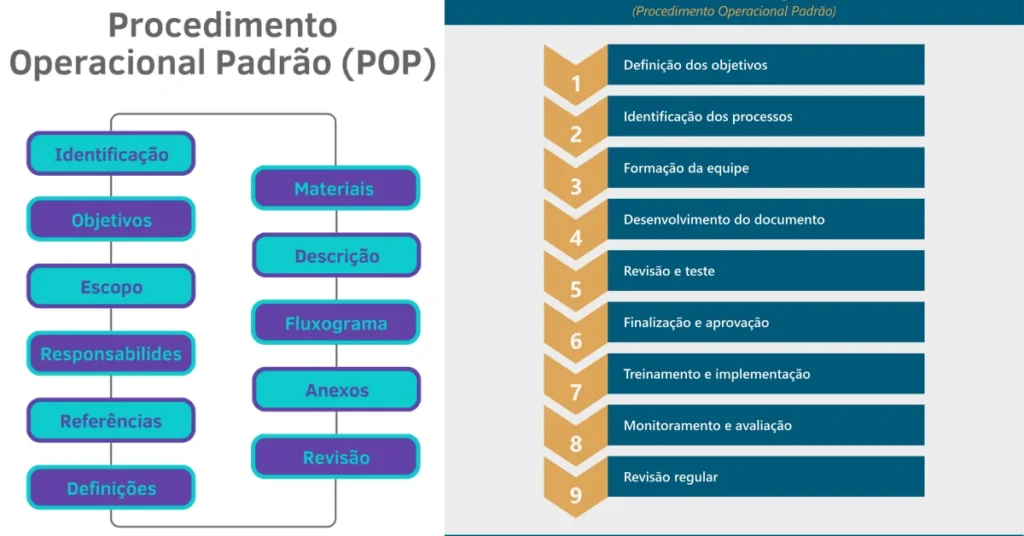
Step by Step Guide to Creating a POP
Creating a Protocolo Operacional Padrao (POP) involves several clear steps. Begin by pinpointing the specific process you aim to standardize. Gather input from team members who are involved in this workflow.
Next, document each step of the process in detail. Be specific about tasks, responsibilities, and timelines. Clarity is key here; ensure that anyone can follow along easily.
Once your draft is ready, review it with stakeholders for feedback. This collaboration helps identify gaps or areas for improvement.
After making adjustments based on feedback, create a finalized version of your POP. Consider including visuals like flowcharts to enhance understanding.
Implement training sessions to educate staff on the new protocol. Regularly revisit and revise your POP as needed to keep it relevant and effective within evolving workflows.
Case Studies: Companies that have Successfully Implemented POP
One notable example of a company successfully implementing Protocolo Operacional Padrao (POP) is Toyota. By standardizing processes on the assembly line, they improved efficiency and reduced errors significantly. This approach allowed them to maintain high-quality standards while meeting production demands.
Another interesting case is that of Starbucks. The coffee giant uses POP to ensure consistency across its global locations. Every barista follows specific protocols for drink preparation, which enhances customer satisfaction and streamlines training for new employees.
In healthcare, Cleveland Clinic adopted POP to enhance patient care workflows. Their implementation led to better communication among staff and streamlined patient admissions, resulting in higher overall satisfaction rates from patients.
These examples showcase how diverse industries can benefit from effective workflow management through the adoption of Protocolo Operacional Padrao principles. Each case highlights unique challenges but also significant gains in productivity and service quality.
Challenges and Solutions in Adopting POP
Adopting Protocolo Operacional Padrao (POP) presents several challenges. Resistance to change often tops the list. Employees may feel unsettled by new procedures, fearing their roles will be disrupted.
Training is another hurdle. Without proper guidance, staff might struggle to grasp the nuances of POP. This can lead to frustration and poor execution of established protocols.
Communication also plays a critical role. If team members don’t understand why POP is essential, buy-in becomes difficult. Clear messaging about its benefits helps alleviate concerns.
To tackle these issues, organizations should prioritize comprehensive training programs tailored for different departments. Workshops and hands-on sessions can make learning engaging.
Additionally, fostering an open environment encourages feedback from employees at every level. This dialogue not only builds trust but also promotes a sense of ownership over newly implemented procedures.
By addressing these challenges head-on with thoughtful strategies, businesses pave the way for smoother transitions into effective workflow practices.
Future Outlook for the Use of POP in Business Operations
The future of Protocolo Operacional Padrao (POP) in business operations looks promising. As companies increasingly embrace digital transformation, the role of POP is set to evolve.
Automation tools are already integrating with established workflows. This synergy enhances efficiency and reduces human error. Businesses will likely develop more sophisticated protocols that adapt dynamically to changing conditions.
Moreover, the rise of remote work has highlighted the need for clear operational standards across dispersed teams. A well-defined POP can bridge gaps, ensuring consistency regardless of location.
Data analytics will play a crucial role in refining these protocols. By analyzing performance metrics, businesses can identify bottlenecks and optimize processes continually.
As industries trend toward sustainability and ethical practices, POPs may incorporate these values into their core frameworks—promoting responsible operations alongside productivity. The adaptability of Protocolo Operacional Padrao positions it as a vital tool for future-ready organizations navigating an ever-changing landscape.
Conclusion
Protocolo Operacional Padrao (POP) is more than just a set of guidelines; it’s the backbone of efficient workflows in any organization. By understanding its history and evolution, we can appreciate how it has become essential for business success today. When implemented effectively, POP offers numerous benefits such as increased productivity, reduced errors, and improved employee satisfaction.
The five key elements of a successful POP serve as a roadmap for businesses looking to streamline their processes. Creating your own protocol involves careful planning and collaboration among team members to ensure that every aspect is covered. Various case studies illustrate how companies have transformed their operations through effective POP implementation.
However, the journey isn’t without challenges. Resistance to change can hinder adoption, but with proper strategies in place, these obstacles can be overcome. As the business landscape continues to evolve rapidly due to technological advancements and shifting market demands, the future outlook for Protocolo Operacional Padrao remains bright.
Organizations ready to embrace this framework will likely find themselves at an advantage over those that don’t prioritize structured workflows. The commitment to continuous improvement through established protocols sets a foundation not only for current success but also positions businesses favorably for future growth opportunities. Embracing POP means paving the way towards operational excellence—an investment worth making for any forward-thinking company.