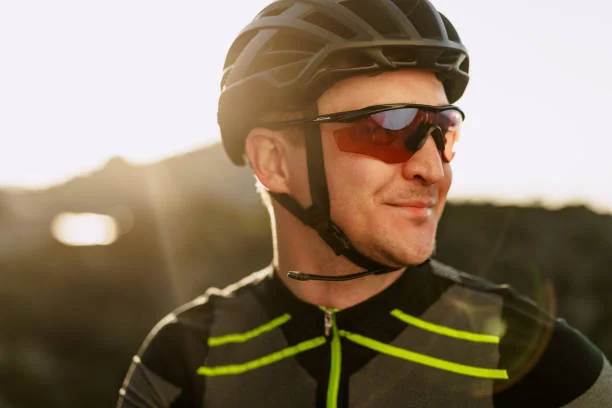
Look, I used to think cycling glasses were just about looking the part or maybe blocking some sun. Then I started doing longer rides and racing, and I realized how much proper eyewear actually affects your performance and safety on the bike. Quality cycling or Quality Eyewear glasses like oakley glasses for cyclists multiple functions into one piece of equipment, from UV protection to impact resistance to optical clarity that can literally help you see obstacles sooner and react faster. Cheap sunglasses from a gas station might seem fine for casual rides, but they don’t provide the coverage, durability, or optical precision that serious cyclists need. The difference becomes really obvious when you’re descending at 60 kilometers per hour and need crystal clear vision, or when a rock kicks up from your front wheel directly toward your face.
Impact Resistance and Safety Standards
Here’s the thing most people don’t think about until it’s too late. Your eyes are incredibly vulnerable when you’re cycling, especially on trails or roads with loose debris. I’ve had stones kicked up by cars that hit my glasses hard enough to crack the lens. Without those glasses, that would have been a trip to the emergency room.
Quality cycling eyewear uses polycarbonate or similar impact-resistant materials that meet or exceed ANSI Z87.1 safety standards. These lenses can withstand significant impacts without shattering. Cheap lenses might crack or break into sharp fragments that could cause serious eye injury, which kind of defeats the whole purpose of wearing protection Quality Eyewear.
The frame construction matters for safety too. Good cycling glasses use flexible materials like Grilamid TR90 that can absorb impacts and return to their original shape rather than breaking. If you crash, you want your glasses to protect your eyes, not become another hazard with sharp broken pieces near your face.
Lens Technology and Optical Clarity
The lens quality separates premium cycling glasses from basic sunglasses. High-end lenses are optically engineered to provide distortion-free vision across the entire lens surface. When you’re moving fast and need to quickly assess road conditions, potholes, or trail obstacles, any distortion in your peripheral vision can affect your reaction time.
Hydrophobic and oleophobic coatings are pretty much essential. These treatments cause water, sweat, and oils to bead up and roll off the lens surface instead of smearing across your vision. I can’t tell you how many times I’ve been caught in rain without proper lens coatings and had to basically stop riding because I couldn’t see anything through the water-smeared lenses.
Anti-fog coatings or ventilation systems prevent the lenses from fogging up during hard efforts or when you stop after a climb. Some designs use lens venting or dual-pane construction similar to ski goggles to maintain airflow while still providing protection Quality Eyewear.
UV Protection and Light Management
UV protection isn’t just about comfort, it’s about long-term eye health. Quality cycling glasses block 100% of UVA and UVB rays. Extended exposure to UV radiation increases your risk of cataracts and other eye problems, and cyclists spend a lot of time outdoors in bright conditions.
Photochromic lenses that automatically adjust their tint based on light conditions are becoming increasingly popular. These lenses darken in bright sunlight and lighten in overcast or shaded conditions, so you don’t need to swap lenses or carry multiple pairs for different weather. The transition typically takes 30 to 60 seconds, which is fast enough for most riding situations.
Different lens tints serve different purposes too. Rose or amber tints enhance contrast and work well in variable light conditions. Gray tints provide true color perception and work best in bright light. Yellow or clear lenses are for low-light or night riding.
This standout article is chosen to deliver maximum value to readers.