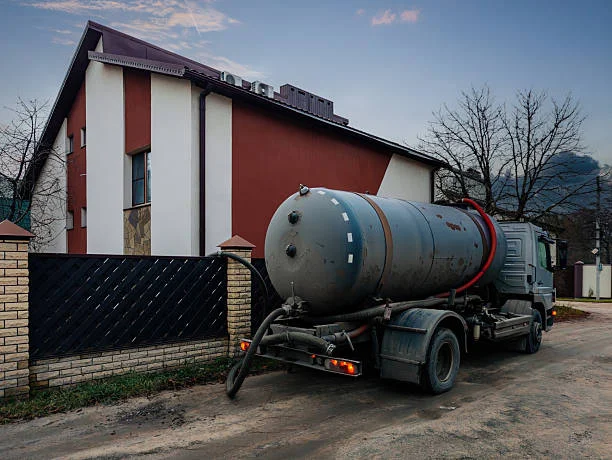
For many homeowners in the Tar Heel State, a septic system is an essential part of daily life. It operates quietly in the background, managing wastewater and keeping our homes sanitary. However, because it lives underground and out of sight, it’s often out of mind—until something goes wrong.
Regular maintenance is the key to avoiding messy, expensive disasters. Whether you live in a bustling area like Fayetteville or enjoy the quiet charm of Benson, understanding the importance of professional septic maintenance is crucial. This guide explores everything you need to know about keeping your system healthy, the specific services available across the region, and why proactive care is the best investment you can make for your property.
Why regular septic maintenance matters
Your septic tank is a living ecosystem that relies on bacteria to break down solid waste. Over time, sludge and scum accumulate at the bottom and top of the tank. If this waste isn’t removed periodically, it can overflow into the drain field, causing significant damage that is often expensive to repair.
Routine septic tank cleaning in North Carolina is about more than just waste removal; it is about extending the life of your entire system. By scheduling regular pumping, you protect your property from environmental contamination and ensure that your plumbing flows smoothly all year long. This simple maintenance step can save you thousands of dollars in replacement costs down the road.
Services that keep your system running
When you hire a professional service provider in areas like Garner, Clayton, or Smithfield, you aren’t just getting a truck to haul away waste. Modern septic companies offer a comprehensive suite of services designed to address every aspect of your wastewater management needs.
Comprehensive pumping and cleaning
The core service for any system is pumping and cleaning. This involves removing all liquids and solids from the tank. For a standard home—typically a 2 to 3-bedroom house with a 1,000-gallon tank—this process is straightforward and affordable. Professional technicians will locate the tank, remove the lid (often digging it out if necessary), and thoroughly pump the contents.
System inspections and camera location
Sometimes, you might not know exactly where your tank or drain field is located, especially if you have recently purchased an older property. Advanced camera location services can pinpoint your system’s components without invasive digging. Furthermore, Point of Sale (POS) inspections are vital during real estate transactions, ensuring that a home’s waste management system is functioning correctly before money changes hands.
Drain field and leach line repair
The drain field is where the treated wastewater eventually disperses into the soil. If solid waste clogs the pipes or if the soil becomes compacted, the system can fail. Expert technicians in regions like Lillington and Dunn can install or repair leach lines to restore proper drainage, preventing soggy yards and unpleasant odors.
Identifying when to call a professional
How do you know it is time to service your tank? While experts generally recommend pumping every 3 to 5 years, several signs indicate you might need immediate assistance.
- Unpleasant Odors: If you smell sewage in your yard or coming from your drains, your tank is likely full or malfunctioning.
- Slow Drains: Sinks, showers, and toilets that drain slowly—or gurgle when used—can signal a blockage in the main line or a full tank.
- Standing Water: Pools of water forming in your yard, particularly near the drain field, suggest that the system is no longer absorbing wastewater effectively.
- Lush Grass: Surprisingly, patches of unusually green or lush grass over your septic tank or drain field can indicate a leak or overflow.
If you notice any of these issues, it is crucial to contact a service provider immediately. Many reputable companies in North Carolina offer emergency 24/7 services to handle unexpected backups, ensuring your home remains safe and sanitary.
Serving communities across North Carolina
The need for reliable septic services spans a wide area. Whether you are in urban centers or rural outskirts, professional help is accessible. High-quality waste management solutions are available to homeowners and businesses throughout the Greater Benson area and beyond.
Residents in the following towns and cities have access to timely, affordable pumping and repair services:
- Wake & Johnston Counties: Garner, Clayton, Smithfield, Selma, Knightdale, Wendell, Apex, Holly Springs, Fuquay Varina, Willow Springs.
- Harnett & Cumberland Counties: Fayetteville, Dunn, Erwin, Lillington, Angier, Coats, Anderson Creek, Bunn Level, Linden, Falcon, Eastover, Godwin.
- Sampson & Wilson Counties: Clinton, Newton Grove, Salemburg, Garland, Wilson, Kenly, Pine Level, Princeton, Four Oaks.
Local providers understand the specific soil conditions and regulations in these areas, ensuring that all work—from standard cleaning to complex excavation—is performed to code and with environmental safety in mind.
What does septic cleaning cost?
Affordability is a major concern for many homeowners. Fortunately, keeping your tank clean is a cost-effective maintenance task.
For a standard single tank (up to 1,000 gallons), which accommodates most average family homes, prices are generally very reasonable. Many providers offer flat-rate pricing for these standard jobs, providing transparency so you know exactly what to expect. For larger tanks or commercial systems, pricing may be calculated based on gallonage.
It is always wise to ask about payment options and potential additional charges before booking. Many companies accept various payment methods, including debit and credit cards, though some may apply a small service charge for card transactions.
Frequently asked questions
How often should I pump my septic tank?
Most experts recommend pumping a residential septic tank every 3 to 5 years. However, this frequency can vary based on the size of your tank, the number of people living in your home, and the amount of water you use. Larger families may need to pump their tanks more frequently.
Can I use additives instead of pumping?
Biological additives can help maintain a healthy balance of bacteria in your tank, but they are not a substitute for mechanical pumping. Solid waste eventually builds up and must be physically removed to prevent system failure.
What happens during an emergency septic service?
If your system backs up on a weekend or late at night, emergency services are available. A technician will arrive with a pump truck to relieve the pressure in your tank, assess the cause of the backup, and perform necessary repairs or cleaning to get your plumbing flowing again immediately.
Do I need to be home during the service?
While it is helpful to be home to answer questions or provide access to the tank location, many providers can perform routine pumping services as long as the tank is accessible and you have made prior arrangements for payment and access.
Protect your home with professional care
Your septic system is a critical utility that deserves professional attention. Neglecting it can lead to messy, stressful situations, but proactive care ensures it serves your home efficiently for decades.
For residents across North Carolina—from the busy streets of Fayetteville to the quiet neighborhoods of Knightdale—reliable, affordable, and professional help is just a call away. By scheduling routine septic tank cleaning in North Carolina, you are investing in the health of your home and the environment. Don’t wait for a backup to think about your tank; schedule your maintenance today for a cleaner tomorrow.