Extended travel can be an enriching experience, offering time to explore new opportunities or reconnect with personal goals. However, leaving a home unattended for a prolonged period requires meticulous preparation. Without proper planning, returning to a disorganized home or discovering misplaced items can dampen the joy of travel.
Whether living in a bustling city or a quieter place like Mesa, Arizona, ensuring security, maintaining cleanliness, and keeping spaces guest-ready are essential aspects of responsible home management before embarking on a long trip.
Safeguarding the Home Against Potential Risks
One of the primary concerns during extended travel is minimizing risks to the home. Electrical systems, plumbing, and security measures require attention to prevent accidents or intrusions. Unplugging unnecessary appliances reduces the chances of electrical hazards and lowers utility bills. Water supply lines to washing machines, dishwashers, and outdoor faucets should be shut off to prevent leaks or flooding.
Checking smoke detectors, security alarms, and door locks before departure is equally important. Battery replacements for alarms and motion-detection lighting enhance security and alert neighbors or authorities in case of unusual activity. Installing timers for indoor lights can give the appearance of occupancy, deterring potential intruders. For added peace of mind, sharing emergency contact details with a trusted neighbor or friend ensures someone can respond promptly if any issue arises.
Choosing Reliable Storage Solutions for Valuable Items
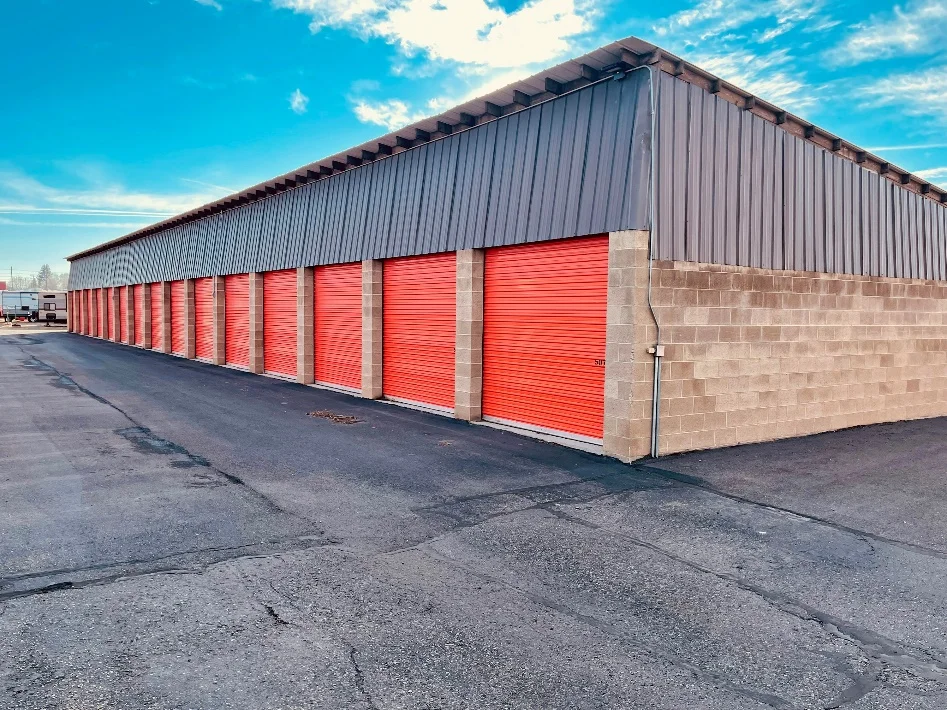
Organizing belongings before extended travel is crucial, especially when certain items should not remain unattended. Renting storage units or designating secure storage within the home can help protect valuable possessions. For individuals seeking specialized storage facilities, if you’re looking for self storage Mesa AZ has many options that cater to varying security and accessibility requirements. A reliable storage solution not only prevents loss or damage but also creates more space within the home, allowing for better airflow and reducing the risk of clutter accumulation.
When selecting storage solutions, prioritize units with climate control to safeguard sensitive items such as electronics or important documents. Additionally, inventory all stored items, label boxes clearly, and use durable, pest-resistant containers. Even for belongings stored at home, consider using lockable cabinets or safes for extra protection. Proper storage preparation ensures that essential items remain secure, reducing stress during travel.
Maintaining Cleanliness to Prevent Odors and Damage
A clean home significantly reduces the risk of pests, odors, or long-term damage during extended absence. Deep cleaning all major areas, including kitchens and bathrooms, should be a priority. Emptying trash bins, wiping down surfaces, and disinfecting frequently touched spots help maintain hygiene. Refrigerators and freezers should be cleared of perishable items to prevent unpleasant smells. For longer trips, leaving the doors of these appliances slightly ajar ensures airflow and prevents mold growth.
Dust accumulation can be managed by covering furniture, electronics, and other surfaces with breathable cloths. Vacuuming carpets and mopping floors before leaving also discourages pests from settling in. Adding moisture absorbers in areas prone to humidity can help prevent mold or mildew formation.
Organizing Spaces for Guest-Readiness
Even when a home will be unoccupied for a long period, maintaining a guest-ready environment ensures convenience in unexpected situations. Emergencies or last-minute visits by trusted family members or caretakers may occur while away, and a well-organized home leaves a positive impression.
Guest-ready preparation involves neatly arranging living spaces and ensuring essentials are accessible. Clean bed linens should be placed on guest beds, and bathrooms stocked with basic toiletries. Storage areas should remain clutter-free, making it easier for anyone authorized to find necessary items without rummaging through personal belongings. This level of organization demonstrates consideration and responsibility, reflecting positively on the homeowner.
Securing Important Documents and Financial Records
Travel often requires carrying only essential identification and travel-related documents, leaving many critical records behind. To protect these items, store them in secure locations such as lockable drawers, safes, or secure storage units. Organizing documents in labeled folders ensures quick retrieval if someone trusted needs to access them in case of emergencies.
Digital backups are equally important. Scanning key documents and storing them in encrypted cloud services allows remote access if needed during travel. For sensitive items such as wills, property deeds, or financial statements, notifying a trusted contact about their location ensures proper handling in unforeseen circumstances.
Attending to Outdoor Maintenance
A neglected exterior can signal an unoccupied home, attracting unwanted attention. Arranging for regular lawn care, leaf removal, or snow clearing is an important part of extended travel preparation. If outdoor plants are part of the property, setting up irrigation systems with timers or asking a neighbor to water them occasionally maintains a well-kept appearance.
Securing outdoor furniture, tools, and other items protects them from weather-related damage and reduces the risk of theft. Storing such items in garages or sheds not only keeps the property tidy but also contributes to an overall sense of security.
Updating Emergency Contacts and Instructions
Before leaving, preparing a list of emergency contacts and instructions can prevent confusion if any issues arise. Share key details with a trusted friend, neighbor, or family member, including alarm codes, storage access information, and utility shut-off points. Providing clear written instructions for caretakers or emergency responders ensures swift action when needed.
Consider leaving a printed copy of emergency instructions in an easily accessible location within the home. Labeling shut-off valves, circuit breakers, and other critical points with simple tags or stickers can help anyone unfamiliar with the property handle emergencies effectively.
Returning to a Welcoming Environment
Preparing a home for extended travel goes beyond security and cleanliness; it also involves creating a welcoming environment for the return. Freshly laundered bed linens, clean towels, and a well-organized kitchen can make the first day back pleasant after a long journey. Stocking a few non-perishable food items or arranging for a grocery delivery upon return ensures convenience and comfort.
Adding small touches such as air fresheners or natural deodorizers can keep the home smelling pleasant during the absence. A well-prepared home not only remains secure and functional but also offers a sense of relief and comfort upon re-entry.
Taking the time to organize and secure a home before extended travel ensures peace of mind and a pleasant return. Protecting belongings through proper storage, maintaining cleanliness, and preparing guest-ready spaces are critical steps in responsible home management. A little preparation today can prevent stress, damage, and inconvenience later, allowing travel to be enjoyed without constant worry about what was left behind.