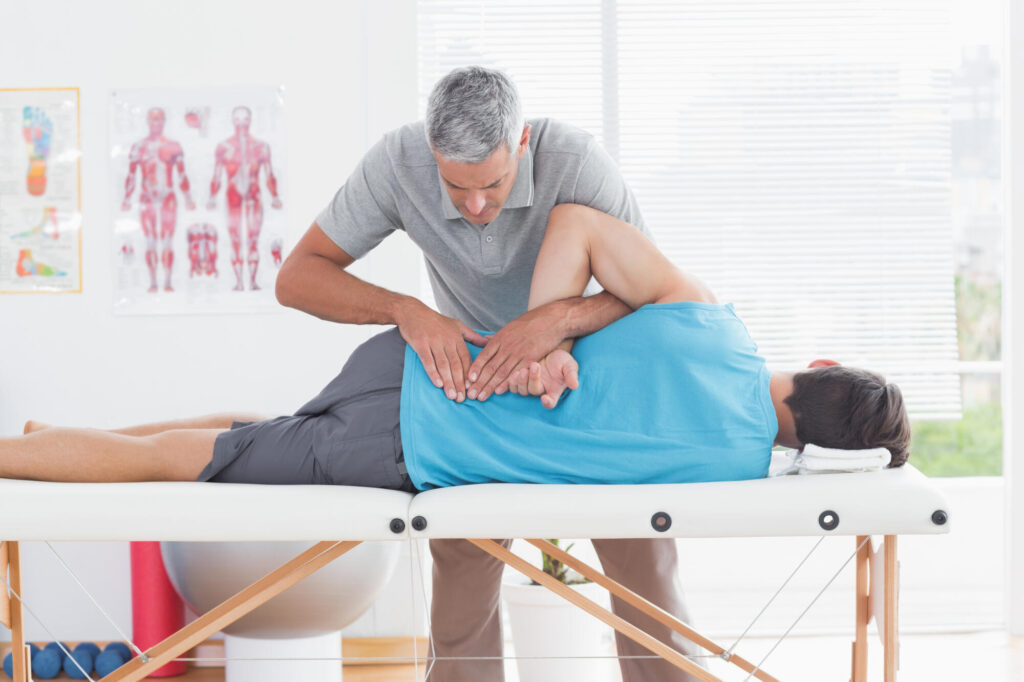
Achieving total health goals takes more than quick fixes. Many people look for care that supports the whole body. Pain, stress, and limited movement often share the same root causes.
A balanced approach helps improve daily function and long term comfort. Hands on therapies play a key role in this process. They support healing while encouraging better body awareness.
Explore the sections below to understand how these wellness services work together to support total health goals.
Understanding Whole Body Wellness Care
Whole body wellness care focuses on how the body works as one system. Muscles, joints, and nerves all affect each other. When one area is stressed, others often compensate. This can lead to pain and poor movement patterns.
Wellness care aims to correct these issues early. It supports balance and natural healing. Regular care helps maintain flexibility and strength. It also reduces daily strain on the body. This approach supports long term health goals.
Role of Osteopathy in Body Balance
Osteopathy focuses on structure and function. It looks at how bones, muscles, and joints interact. Gentle techniques help improve movement and circulation. Better circulation supports tissue repair.
Osteopathy also addresses posture and alignment. Poor alignment often causes recurring pain. Treatment plans are tailored to individual needs. Sessions aim to restore natural motion. This supports overall physical balance.
How Massage Therapy Supports Recovery
Massage therapy helps relax tight muscles. It improves blood flow to stressed areas. Better flow supports faster recovery. Massage also reduces physical tension from daily stress. Many people notice improved sleep after sessions.
Relaxed muscles move more freely. This reduces strain on joints. Massage supports both physical and mental health. Regular sessions help maintain comfort.
Managing Chronic Pain Through Integrated Care
Chronic pain often has multiple causes. Treating one area alone may not be enough. Integrated care looks at the full picture. It combines movement support and soft tissue work. This approach reduces stress on sensitive areas.
It also improves daily function. Conditions like bursitis benefit from this balanced care. Ongoing support helps prevent flare ups. Consistency is key for lasting results.
Improving Mobility and Flexibility
Limited mobility affects daily tasks. Stiff joints can reduce confidence in movement. Manual therapies help restore range of motion. Gentle stretching supports tissue health. Improved flexibility reduces injury risk.
It also supports better posture. Daily movement becomes easier with proper care. Mobility work supports active lifestyles. This keeps the body resilient over time.
Stress Reduction and Nervous System Support
Stress impacts both body and mind. Tight muscles often reflect mental strain. Hands on therapies calm the nervous system. This promotes relaxation and focus.
A calm system supports better healing. Reduced stress improves sleep quality. It also supports immune function. Regular care builds resilience to daily pressure. This supports emotional balance.
Supporting Posture and Alignment
Poor posture develops over time. Long sitting hours strain the spine. Misalignment can cause muscle fatigue. Manual care helps correct these patterns. Improved alignment reduces uneven stress.
It supports efficient movement. Better posture improves breathing. It also reduces tension headaches. Postural support is key for long term comfort.
Injury Prevention Through Regular Care
Minor issues can lead to injuries if ignored. Regular care identifies early warning signs. Tight muscles and restricted joints are addressed early. This reduces sudden strain during activity.
Athletes and active people benefit greatly. Preventive care supports consistent performance. It also shortens recovery time. Awareness of body signals improves. Prevention saves time and effort.
Enhancing Circulation and Tissue Health
Healthy circulation supports healing. Manual techniques stimulate blood flow. Oxygen reaches tissues more effectively. Waste products are cleared faster. This reduces soreness and stiffness.
Healthy tissues adapt better to stress. Circulation also supports skin and nerve health. Regular care maintains tissue quality. This supports overall vitality.
Personalized Wellness Planning
Each body has unique needs. Personalized plans address specific goals. Assessments guide treatment focus. Progress is monitored over time. Plans adjust as the body changes. This ensures effective support.
Clear goals improve motivation. Personal care builds trust and consistency. Long term success becomes achievable.
Supporting Active and Aging Bodies
Bodies change with age and activity level. Care adapts to these changes. Active bodies need recovery support. Aging bodies need joint care and mobility.
Gentle techniques suit all stages of life. Regular care supports independence. It reduces stiffness and discomfort. Movement stays safer and easier. Quality of life improves.
Building Healthy Daily Movement Habits
Care extends beyond treatment sessions. Daily habits affect progress. Proper movement reduces strain. Simple exercises support stability. Body awareness improves posture.
Small changes bring lasting results. Consistent habits support therapy benefits. Education empowers better choices. Healthy routines support total wellness.
Long Term Wellness and Preventive Focus
Wellness is an ongoing process. Preventive care reduces future issues. Regular check ins maintain balance. Small adjustments prevent larger problems. Long term care supports confidence in movement.
It also supports mental clarity. Consistency builds strong foundations. Preventive focus saves time and discomfort. Health goals stay within reach.
Improving Sleep Quality Through Physical Care
Quality sleep supports healing and focus. Physical tension often disrupts rest. Manual care helps relax the body before sleep. Relaxed muscles reduce nighttime discomfort. Better circulation supports deeper rest.
Calm nervous system responses improve sleep cycles. Consistent care supports healthy routines. Improved sleep boosts daily energy. Rest becomes more restorative over time.
Supporting Digestive Comfort and Core Stability
Body alignment affects digestion. Tight muscles can restrict natural movement. Manual therapies support core balance. Balanced posture reduces pressure on organs. Improved movement supports healthy digestion.
Core stability improves overall strength. Gentle care reduces internal strain. Awareness of posture supports comfort. Daily function becomes smoother.
Encouraging Mind Body Awareness
Awareness improves how the body moves. Many issues come from unnoticed habits. Hands on care highlights problem areas. This helps improve movement choices. Better awareness reduces repeated strain.
Mind body connection supports confidence. Daily actions feel more controlled. Care reinforces healthy patterns. Awareness supports long term wellness.
Find the Right Osteopath, Massage Therapist, and Wellness Services
Osteopath, massage therapist, and wellness services work best together. They support the body as a connected system. This approach improves movement, comfort, and resilience. Regular care encourages awareness and balance.
Stress and tension are addressed early. Personalized plans support lasting results. With consistent support, total health goals become realistic and sustainable.
Should you wish to read more, visit our blog page. We’ve got more!