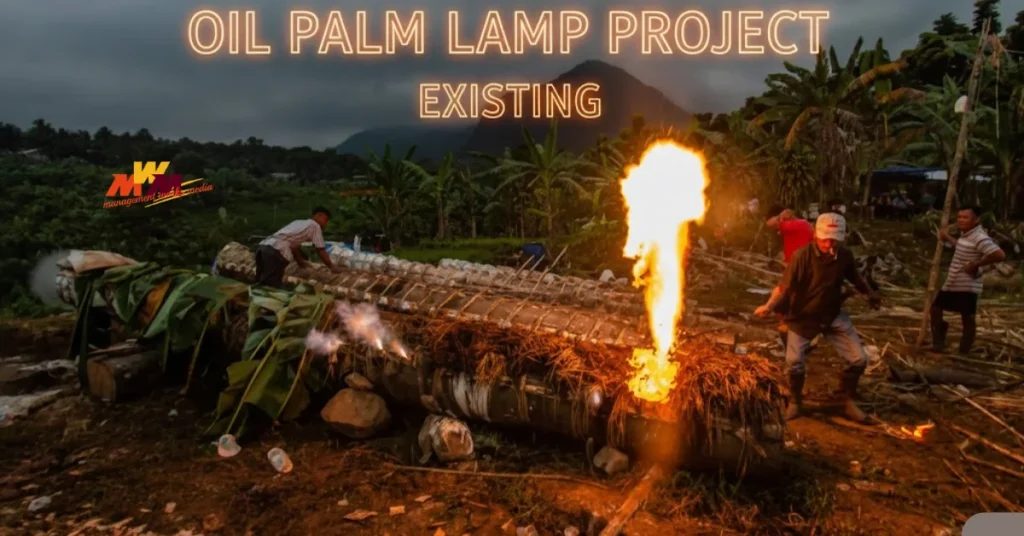
Introduction to the oil palm lamp project existing
In the heart of rural Southeast Asia, a quiet revolution is taking place. The oil palm lamp project existing has emerged as a beacon of hope for communities striving for progress and sustainability. With its innovative approach to renewable energy, this initiative not only illuminates homes but also lights up lives by creating jobs and fostering economic growth. As we delve into this transformative project, you’ll discover how it harnesses the power of nature to empower local inhabitants while addressing pressing energy needs. Join us on this enlightening journey through the vibrant landscapes where tradition meets innovation in an effort to create a brighter future for all.
The Importance of Renewable Energy in Rural Southeast Asia
Rural Southeast Asia is blessed with abundant natural resources. Yet, many communities still struggle with energy access. This gap highlights the urgent need for renewable energy solutions.
Renewable energy sources like solar and wind can transform lives. They deliver consistent power to residences, educational institutions, and commercial establishments. Improved access leads to better education and healthcare services.
The shift towards clean energy also promotes environmental sustainability. Reducing reliance on fossil fuels helps combat climate change while preserving local ecosystems.
Moreover, investing in renewables stimulates economic growth. It creates job opportunities in installation, maintenance, and manufacturing sectors. Communities become empowered as they harness their own energy needs sustainably.
Renewable energy serves not just as a power source but as a catalyst for development in rural areas of Southeast Asia.
How the Oil Palm Lamp Project is Creating Jobs in the Region?
The Oil Palm Lamp Project is transforming the job landscape in rural Southeast Asia. By utilizing locally sourced oil palm biomass, it not only produces sustainable energy but also creates diverse employment opportunities.
Farmers are engaging in the cultivation of oil palms specifically for this initiative. This shift encourages a new agricultural focus and supports farmers’ livelihoods.
Local manufacturing plants have emerged to produce lamp components, generating jobs in production, assembly, and quality control. These facilities provide stable income for families that previously relied on seasonal work.
Additionally, there are roles related to distribution and maintenance of the lamps throughout communities. As demand grows, more positions will open up across various sectors tied to renewable energy initiatives.
This project fosters skills development too. Training programs empower individuals with knowledge about sustainable practices and technology, creating a workforce ready for future challenges in green energy.
Success Stories and Impact on Local Communities
The oil palm lamp project is transforming lives in rural Southeast Asia. Communities that once relied on kerosene lamps now enjoy cleaner, more sustainable lighting options.
One inspiring story comes from a small village in Indonesia. Local farmers have turned their discarded oil palm waste into biofuel for lamps. This innovation not only reduces waste but also empowers families with new skills and knowledge.
In another instance, a group of women formed a cooperative to produce these eco-friendly lamps. They’ve seen an increase in income and greater independence within their households.
These success stories highlight the direct impact of the oil palm lamp project on local communities. It fosters collaboration and builds resilience against economic challenges while promoting environmental stewardship. The sense of pride among community members is palpable as they embrace this shift towards renewable energy solutions.
Challenges and Solutions for Sustainable Implementation
The oil palm lamp project faces several challenges in its quest for sustainability. One significant issue is the environmental impact of palm cultivation. Deforestation and biodiversity loss can occur if not managed properly.
To tackle this, stakeholders are emphasizing sustainable agricultural practices. Implementing agroforestry techniques helps maintain ecological balance while producing oil palms.
Another challenge is community engagement. Some locals may be skeptical about new projects that promise change but deliver little.
Building trust through transparent communication and involving communities in decision-making processes can bridge this gap. Training programs also empower locals to take ownership of their roles within the project.
Financial constraints often hinder progress too. Securing funding from government bodies or NGOs can alleviate these pressures, ensuring long-term viability without compromising on ethical standards.
Collaboration among various sectors—government, private companies, and local communities—plays a crucial role in overcoming obstacles and fostering effective implementation.
Future Plans and Expansion of the Oil Palm Lamp Project
The future of the oil palm lamp project looks promising. With successful implementation in current regions, there are plans to expand into additional rural areas across Southeast Asia.
This expansion aims not only to increase renewable energy access but also to boost employment opportunities. More local farms could collaborate, enhancing community involvement and ownership over these sustainable initiatives.
Innovative technologies will be integrated, improving efficiency and reducing costs. The goal is to create a scalable model that can be replicated in similar tropical regions globally.
Partnerships with governmental bodies and NGOs are being explored. This collaboration can help secure funding and resources for wider outreach efforts while fostering knowledge sharing about best practices.
As awareness grows around climate change, projects like this will play a crucial role in driving sustainability forward, ensuring long-term benefits for both people and the environment.
Conclusion: The Positive Impact of Sustainable Projects on Rural Communities
The oil palm lamp project existing serves as a powerful example of how sustainable initiatives can transform rural communities. By harnessing renewable energy, it not only provides essential lighting solutions but also stimulates local economies through job creation. Villagers are finding new opportunities for work and skill development, which enhances their livelihoods.
This initiative is more than just an energy solution; it’s about empowering people. Local communities have reported improvements in education and health as the availability of light extends productive hours. Children can study longer into the evening, while families experience better safety with well-lit homes.
As challenges arise—be it environmental concerns or market fluctuations—the focus on sustainability ensures that solutions are continuously sought after. The project’s adaptability is key to its ongoing success.
Future plans indicate further expansion of this model across Southeast Asia, promising even greater benefits for more rural areas. These projects illuminate pathways toward healthier economies and empowered communities, showcasing the profound impact they can have when thoughtfully implemented.