People often find commuting by bus or train frustrating. Crowded vehicles, long wait times, and fumbling for exact change can create headaches for even the calmest traveler.
This is especially true in our fast-paced world, where we rely on speed and convenience. One promising solution to these issues lies in modernizing transit services through integrated cashless technology.
The idea is simple: a seamless payment process can make our journeys smoother and give us the peace of mind we all seek when traveling.
The Shift to Cashless Transit Services
As cities expand and populations grow, transit services have been challenged to keep up with rising demands. To meet these challenges, many transit authorities are adopting cashless systems.
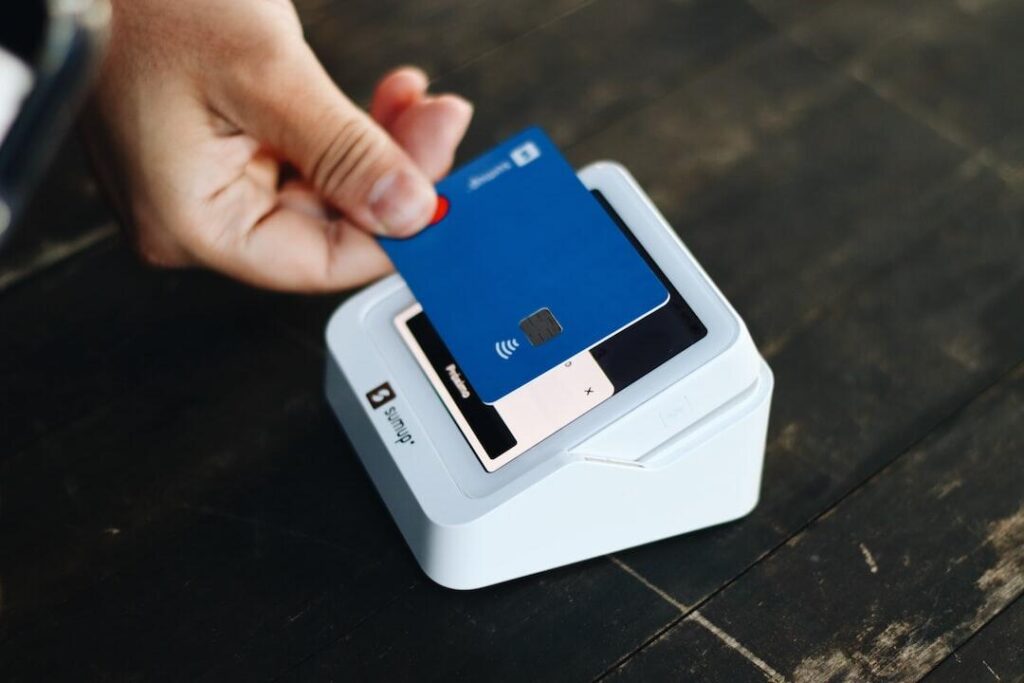
These systems allow riders to pay for their fares using cards, mobile apps, or smart devices. Instead of fumbling with cash, a single swipe or tap can get us on our way.
In the past, the reliance on cash posed several problems. Riders had to carry change, and fares could change frequently, making it hard to plan costs in advance.
Cashless systems solve these problems by providing clear prices and simplifying transactions. Additionally, they help transit services reduce operational costs associated with handling cash, such as coin sorting and fraud management.
Benefits of Cashless Transactions
Integrating cashless technology into transit services offers numerous advantages, improving the experience of riders and transit authorities alike. Here are some key benefits:
Convenience
Cashless transactions make commuting much more convenient for passengers. Riders can easily pay using smartphones, transit cards, or mobile wallets without needing physical cash. This eliminates the need to carry exact change when riding public transport.
Boarding becomes faster since payments are completed in just a few taps or scans. Overall, it creates a smoother and more user-friendly travel experience.
Security
Cashless systems improve security for both passengers and transit operators. Riders no longer need to carry large amounts of cash, reducing the risk of theft or loss.
Digital payments are also harder to steal compared to physical money. Many systems include encryption and authentication features to protect user data. This makes transactions safer and more reliable for everyone involved.
Efficiency
Cashless transactions greatly increase the efficiency of transit operations. Boarding times are reduced because passengers do not need to count money or wait for change. This helps buses and trains stick more closely to their schedules.
Transit staff can also focus more on service quality rather than handling cash. As a result, the entire transportation system runs more smoothly and quickly.
Real-Time Data
Cashless systems provide valuable real-time data for transit authorities. They can track passenger numbers, travel patterns, and peak usage times more accurately.
This information helps planners make better decisions about routes and schedules. It also allows agencies to adjust services based on actual demand. In the long run, this leads to a more efficient and responsive public transport system.
Cities Leading the Way
Many cities around the world have successfully modernized their transit systems using cashless technology. Taking a closer look at some of these examples can give insight into how effective these changes can be.
For instance, New York City has introduced a contactless fare payment system. With a simple tap of a card or smartphone, passengers can instantly pay for their rides. This innovation has become especially popular among tourists and residents alike, reducing the need for cash and streamlining the payment process.
Another great example is Singapore, which has prioritized cashless transit for years. The card allows users to tap in and out at various transport systems, including buses, trains, and taxis. This flexibility and ease of use have made Singapore’s transit one of the most efficient in the world.
The Importance of User Experience
As we embrace cashless systems, it is essential to prioritize user experience. After all, a system can only be successful if riders find it user-friendly. Transit systems should conduct regular feedback and usability tests to ensure that all passengers can easily understand how to use new technologies.
Accessibility is also vital. Cashless options must be available for people of all ages and backgrounds. Providing options like a user-friendly app, clear signage, and training for staff can empower riders, making the transition seamless for everyone.
Environmental Impact
The integration of cashless systems also carries environmental benefits. Fewer cash deposits mean less paper waste and a reduced need for transportation and processing of coins.
Furthermore, cashless systems can help improve efficiency in transit. With faster boarding times, vehicles can spend more time in service, reducing overall emissions in the process.
Transit authorities that modernize their services contribute to the fight against climate change. By encouraging people to use public transport instead of personal vehicles, they promote sustainability and reduce traffic congestion.
Future Innovations
The future of cashless transit services holds even more exciting possibilities. For example, integrating biometric technology could change how we pay entirely. Imagine using facial recognition to board a train or bus – no cards or cash required!
Moreover, advancements in app technology can further streamline transactions. Features like real-time alerts about delays or changes in schedule can empower riders to plan better. Combining cashless payments with information about service changes can provide a complete package that enhances transit experiences.
How You Can Get Involved
Riders have a crucial role in the transition to cashless transit services. Engaging with local transit authorities can help push for these innovations. Feedback forms and surveys allow users to voice their opinions and suggest improvements.
If you’re interested in learning more about cashless options, check Access2Pay. They provide solutions, helping transit companies implement these advanced technologies.
Understanding how to use new technologies can make the transition smoother. Take the time to explore cashless options available in your local transit services and encourage others to do the same. The more riders advocate for these changes, the more likely we are to see widespread adoption.
A Bright Future for Cashless Transit Services
As cities adopt integrated cashless solutions, the future of transit services appears bright. The move towards a cashless era will lead to greater convenience and security while boosting efficiency and sustainability. With advancements in technology and a focus on user experience, passengers can look forward to a more enjoyable commuting experience.
Embracing cashless transit options not only makes our daily journeys easier but also promotes environmental responsibility. The integration of cashless technology in transit services gives riders the peace of mind they deserve, making public transportation not just viable but enjoyable.
Did you find this helpful? Don’t forget to visit our website and read more.