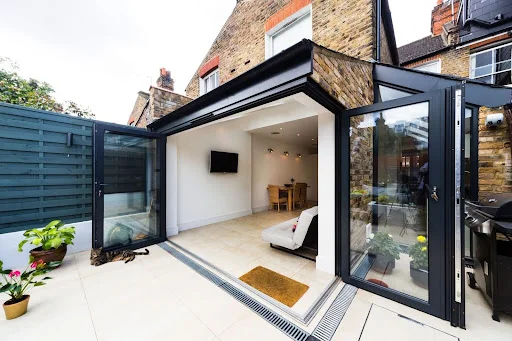
In today’s competitive property market, expanding living areas through house extensions is a strategic move not only to increase space but also to add significant value to a home. Homeowners often face the dilemma of moving to a larger house or expanding their current one. Opting for a house extension can offer numerous benefits without the hassle and expense associated with relocating.
Understanding House Extensions
House extensions are structural additions to existing buildings, designed to increase the living space. They can be single-storey or multi-storey, depending on the homeowner’s needs and the architectural possibilities. Extensions are usually built at the rear, side, or even the front of the house, and they serve various purposes, such as creating space for a larger kitchen, additional bedrooms, or a new living area.
Types of House Extensions
There are several types of house extensions to consider. The most common ones include rear extensions, side return extensions, wrap-around extensions, and basement extensions.
Rear Extensions
Rear extensions extend the property backward into the garden or outdoor space. They are a popular choice as they can significantly expand indoor areas, often bringing in more natural light.
Side Return Extensions
These extensions make use of the alley or lane alongside a house, typically applicable for semi-detached or detached homes. It can be an efficient way to expand a kitchen or dining area.
Wrap-around Extensions
For those looking to create a more open-plan living space, wrap-around extensions that combine both rear and side extensions are ideal. They create a significantly larger floor plan.
Basement Extensions
Excavating a basement can be an option for homeowners limited by surface-level restrictions and who still desire more room. However, this type requires significant structural consideration.
Planning Considerations
Before starting a house extension, there are several factors to consider to ensure a successful project. These include budget, planning permissions, design, and choosing the right builder. It is important to set a realistic budget, as costs can escalate quickly with unforeseen issues.
Budgeting for House Extensions
Estimating the costs of an extension can be complex. It’s necessary to factor in the scale of the project, materials, labour, and finishings. Engaging a professional who can provide a detailed quotation will help in managing finances effectively.
Planning Permission and Regulations
Many extensions will require planning permission, particularly if they affect the exterior of the building or the usage of land. Homeowners should consult with local authorities to understand the necessary approvals and compliance with building regulations.
Designing the Extension
The design of an extension should complement the existing structure in both aesthetics and function. Employing the services of an architect can ensure the design claims the most efficient use of space and light.
Choosing the Right Builder
The success of a house extension largely depends on the builder’s expertise. Choosing a builder with a strong track record and relevant experience in similar projects is crucial. Reviews and recommendations can be invaluable.
Impact on Property Value
Properly executed house extensions can significantly increase the market value of a property. Extensions that offer additional bedrooms or bathrooms tend to yield the highest returns.
Final Thoughts
House extensions offer a practical solution for those looking to increase their living space and enhance their property’s value. While there are challenges in planning and executing an extension, the rewards can be substantial, making this an attractive option for many homeowners.