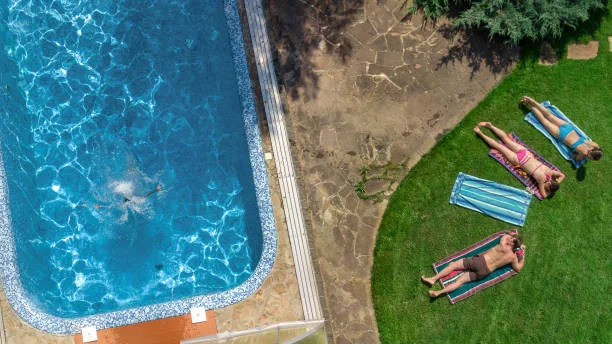
Homeowners often find themselves caught in a paradox during the warmer months. The desire to enjoy a lush lawn and a sparkling pool is frequently at odds with the sheer amount of labor required to maintain them. Weekends meant for relaxation are easily consumed by mowing, weeding, skimming, and balancing chemicals. However, a pristine backyard does not necessarily demand endless hours of hard labor. By adopting strategic care methods and leveraging modern technology, it is possible to significantly reduce the time spent on chores while improving the overall health and aesthetics of your outdoor space.
Automate Your Watering Schedule for Efficiency
One of the most time-consuming and error-prone tasks in lawn care is watering. Manual watering often leads to inconsistency, resulting in over-saturated soil or dry, stressed patches of grass. Furthermore, dragging hoses around the property is physically demanding. To eliminate this daily chore and ensure your landscape receives precise hydration, upgrading your setup is essential.
The Benefits of Smart Controllers
Installing an intelligent irrigation system transforms water management from a daily guess into a precise science. Unlike traditional timers that operate blindly based on a set clock, smart controllers utilize local weather data to adjust watering schedules automatically. They can skip cycles when rain is forecast or increase frequency during heatwaves, ensuring deep, healthy root growth without any manual intervention. This automation not only saves significant time but also conserves water and lowers utility costs, all while preventing the fungal diseases often caused by overwatering.
Adopt Mulching to Nourish Grass Naturally
Bagging grass clippings is a common practice that adds unnecessary steps to the mowing process. It requires frequent stops to empty the catcher and creates waste that must be disposed of. A more efficient and beneficial approach is mulching. By using a mower deck designed to chop clippings into fine pieces, you can return valuable nutrients directly to the soil.
Promoting Soil Health
These decomposing clippings act as a natural fertilizer, releasing nitrogen and moisture back into the lawn. This process reduces the need for commercial fertilizers and helps the soil retain water, leading to a greener, more resilient lawn with less effort. Additionally, maintaining a higher mowing height shades the soil, suppressing weed germination and further reducing the need for chemical treatments and manual weeding. By letting the grass work for you, you eliminate the labor of bagging and hauling waste.
Utilize Robotic Technology for Pool Cleaning
For pool owners, the battle against debris and algae is constant. Traditional cleaning involves manually vacuuming the floor, brushing the walls, and skimming the surface—tasks that can take hours each week. Fortunately, advancements in robotics have rendered manual vacuuming largely obsolete for the modern homeowner.
Hands-Free Sanitation
Investing in the best pool cleaner allows you to outsource the heavy lifting to a machine. These robotic devices operate independently of the pool’s filtration system, navigating the underwater terrain to scrub surfaces and capture debris in onboard canisters. They are designed to climb walls and clean the waterline, where scum lines often form. By running a robotic cleaner regularly, you ensure the pool remains swim-ready at all times, freeing you from the physical strain of manual maintenance. This consistent cleaning also improves water circulation, which helps prevent algae from establishing itself in stagnant corners.
Maintain Chemical Balance With Preventative Habits
A common mistake in pool care is reacting to problems rather than preventing them. Treating a green, algae-infested pool requires massive amounts of chemicals, repeated brushing, and days of filtration downtime. The low-effort alternative is consistent, small-scale maintenance.
Routine Testing and Adjustments
Testing your water chemistry weekly ensures that pH, alkalinity, and sanitizer levels remain in the optimal range. Keeping the water balanced prevents algae spores from taking hold, meaning you will rarely need to perform labor-intensive shock treatments. Additionally, using enzyme products can help break down organic contaminants like sunblock and body oils, keeping the water crystal clear and reducing the load on your sanitizer. This proactive approach takes only minutes a week but saves hours of corrective work later.
Optimize Landscaping With Native Plants
The plants you choose for your garden borders significantly impact your maintenance workload. Exotic species often require specific soil amendments, frequent pruning, and heavy watering to survive in a foreign climate. To reduce gardening effort, replace high-maintenance ornamental plants with native species.
Hydro-Zoning for Simplicity
Native plants are adapted to your local environment, meaning they have natural resistance to local pests and diseases. Once established, they typically require little to no supplemental watering or fertilization. Grouping these plants based on their sunlight and water needs—a practice known as hydro-zoning—further simplifies care. This allows you to run your irrigation zones more efficiently, treating entire sections of the garden with the same low-maintenance routine rather than hand-watering fussy individual plants.
Use Covers to Minimize Debris Accumulation
Stopping debris from entering the pool is far easier than removing it later. While a solar cover is often used to retain heat, it also serves as a barrier against leaves, insects, and pollen. Keeping the pool covered when it is not in use, especially during windy days or storms, drastically reduces the amount of skimming and vacuuming required.
Proactive Debris Management
For the lawn, managing debris is equally important. Allowing thick layers of leaves to sit on the grass can smother it, leading to dead patches that require reseeding. Frequent, quick passes with a leaf blower or a mulching mower are much easier than raking heavy, wet piles of leaves at the end of the season. By staying on top of debris accumulation, you prevent the compounding issues that turn yard work into a weekend-long project.
Conclusion
Achieving a beautiful lawn and a sparkling pool does not require a sacrifice of your leisure time. By embracing automation for watering and cleaning, choosing resilient plants, and staying ahead of chemical imbalances, you can maintain a high standard of care with minimal physical effort. These low-effort strategies turn backyard maintenance from a chore into a manageable background process, leaving you with more time to relax and enjoy the outdoor lifestyle you have created.