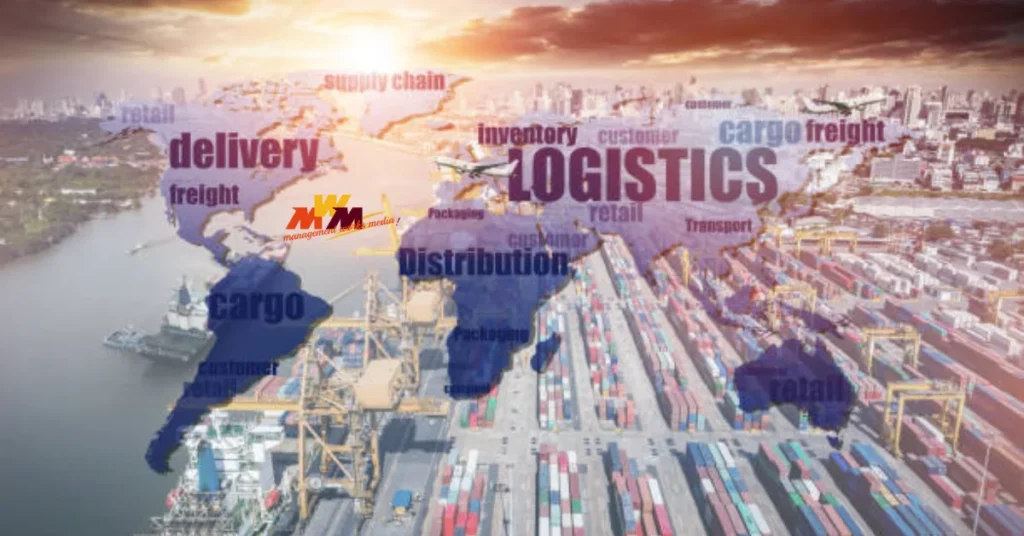
Introduction to Logisths and its role in global supply chains
In today’s fast-paced world, the efficiency of global supply chains can make or break a business. Enter Logisths, a revolutionary platform that is reshaping how companies approach logistics and supply chain management. With its innovative technology and data-driven insights, Logisths offers organizations the tools they need to navigate complex supply networks with ease. As businesses strive for agility in an ever-changing market landscape, understanding the role of Logisths becomes not just beneficial but essential for success. Let’s explore how this powerful tool is transforming the way companies operate on a global scale.
Keep exploring! This related post dives deeper into the topic you love.
Advantages of using Logisths for businesses
Logisths offers a variety of advantages that can significantly enhance business operations. One of the primary benefits is improved visibility across supply chains. Companies gain real-time insights into inventory levels, shipment statuses, and potential disruptions.
Another advantage is cost efficiency. By optimizing routes and automating processes, businesses reduce operational overheads while maintaining quality service. This leads to better profit margins over time.
Flexibility plays a key role as well. Logisths allows companies to adapt quickly to market changes or unexpected challenges without major disruptions. Whether it’s scaling up production or pivoting logistics strategies, agility becomes a competitive edge.
Additionally, user-friendly interfaces simplify training for staff members at all levels. This encourages faster adoption rates and minimizes downtime during transitions.
Integrating Logisths with existing systems creates a seamless flow of information that enhances decision-making capabilities throughout the organization.
Case studies of companies that have implemented Logisths successfully
One prominent example is a leading retail giant that adopted Logisths to streamline its complex distribution network. By integrating the platform, they achieved real-time visibility across all shipment stages. This not only reduced delivery times but also enhanced inventory management.
Another case involves a global electronics manufacturer. They faced challenges in coordinating suppliers and managing logistics across various regions. Implementing Logisths allowed them to optimize routes and minimize costs significantly while maintaining product quality.
In the food industry, a major supplier used Logisths to ensure freshness by monitoring temperature-sensitive shipments. The results were impressive; spoilage rates dropped dramatically, leading to higher customer satisfaction.
These successes illustrate how diverse industries can leverage Logisths for tailored solutions that meet specific operational needs and drive overall performance improvements.
Don’t stop here—explore more stories and tips crafted just for you.
How Logisths can improve efficiency and agility in supply chain processes?
Logisths streamlines communication across all supply chain stakeholders. Real-time updates ensure everyone is on the same page, reducing delays and misunderstandings.
By automating repetitive work, employees gain more time for impactful tasks. This allows teams to focus on strategic decision-making rather than mundane paperwork.
Advanced analytics provided by Logisths give insights into performance metrics. Companies can quickly identify bottlenecks and address issues before they escalate.
Flexibility is another key benefit. With dynamic adjustments based on market changes, businesses can respond swiftly to unexpected disruptions or demand shifts.
By integrating various logistics functions into one platform, Logisths minimizes manual errors. Improved accuracy leads to better inventory management and fulfillment processes.
These enhancements lead to a more agile supply chain capable of adapting in real-time while maximizing efficiency at every turn.
How Logisths will shape the industry in the years to come?
The future of Logisths is poised to redefine the landscape of global supply chains. With advancements in artificial intelligence and machine learning, the platform can analyze vast amounts of data in real time. This capability will enable companies to make informed decisions faster than ever before.
As businesses seek greater sustainability, Logisths will play a critical role in minimizing waste and optimizing resource usage. The emphasis on eco-friendly practices aligns perfectly with modern consumer demands for responsible sourcing.
Moreover, as international trade regulations evolve, Logisths will adapt quickly to compliance changes across various markets. Its flexibility ensures that businesses remain agile amid shifting landscapes.
Collaboration between logistics providers and customers will deepen thanks to enhanced communication tools within Logisths. These innovations promise seamless interactions that drive efficiency while fostering long-lasting partnerships across industries.
Challenges and limitations of using Logisths
While Logisths’s offers numerous benefits, it also presents challenges that businesses must navigate. One significant hurdle is the integration of existing systems with Logisths’s technology. Transitioning can be complex and may require substantial investment in both time and resources.
Another limitation involves data security concerns. As companies rely more on digital solutions, safeguarding sensitive information becomes crucial. A breach could lead to severe financial losses and damage to reputation.
Additionally, not all industries may find Logisths’s equally beneficial. Companies with unique supply chain models might struggle to adapt the platform effectively.
The rapid pace of technological change means that organizations need continuous training for their staff. Keeping up-to-date can strain budgets and disrupt daily operations as teams adjust to new features or updates.
Conclusion: The importance of embracing new technology in supply chain management for success
The realm of supply chain management is rapidly evolving, and the rise of Logisths exemplifies this transformation. Embracing new technologies like Logisths isn’t just an option; it’s a necessity for businesses aiming to stay competitive in today’s global market. By adopting innovative solutions that enhance efficiency and agility, organizations can respond more adeptly to market demands.
Incorporating Logisths into supply chains opens up a world of possibilities—streamlined operations, improved inventory management, and better customer satisfaction are just the beginning. However, companies must also be mindful of potential challenges when integrating these systems.
Success in supply chain management hinges on adaptability and forward-thinking strategies. Companies willing to embrace advancements such as Logisths will likely find themselves ahead of the curve in an ever-changing landscape. Innovation paves the way for tomorrow’s leaders.
Handpicked for you: dive into our featured post and stay ahead.