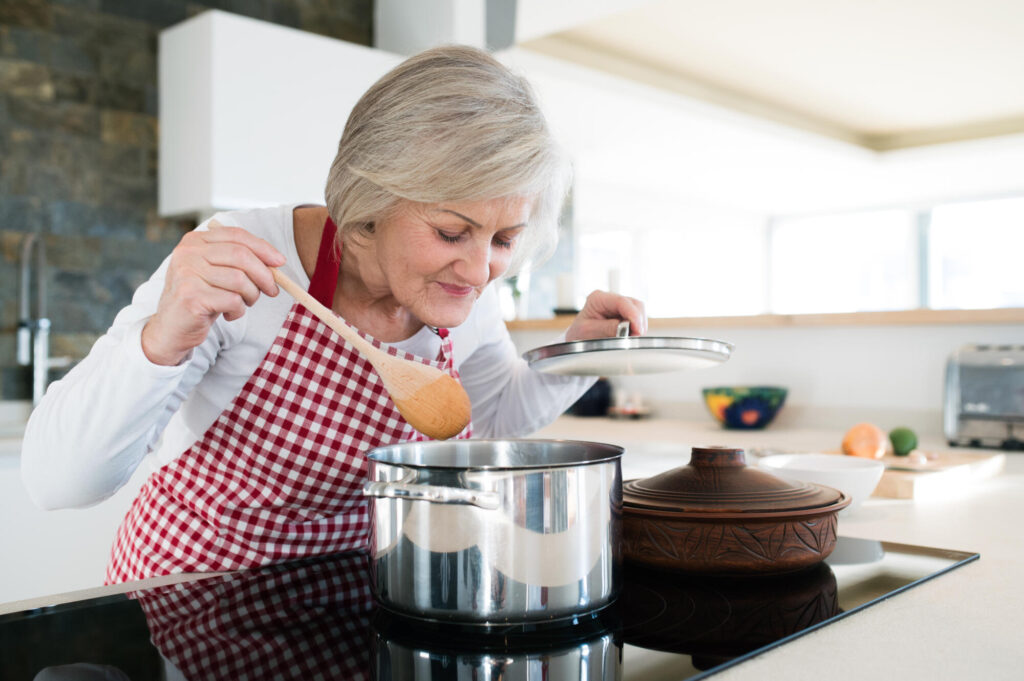
Cooking at home can be fun, but it also comes with risks like burns and fires. That’s why kitchen safety matters. By following simple habits, using smart tools, and checking your kitchen regularly, you can avoid accidents.
Let’s explore easy ways to cook safely and enjoy every meal without worry.
Essential Kitchen Safety Practices
To create a safer cooking environment, it’s important to establish a few essential kitchen safety practices. Here are some key habits to integrate into your daily routine:
Stay Attentive
Always pay close attention while cooking. Never leave food on the stove or in the oven unattended. If you need to step away, turn off the heat to stay safe.
Use Proper Utensils
Handle sharp knives and hot pans with care at all times. Always use oven mitts when touching hot items and cutting boards when slicing foods. Choosing the right tools makes cooking safer and easier.
Wear Appropriate Clothing
Avoid wearing loose clothes that could catch fire easily. Non-slip shoes can help prevent falls in the kitchen. Dressing safely keeps you protected while cooking.
Utilize Smart Equipment Features
Modern cooking appliances come equipped with features designed to enhance kitchen safety. These include:
Automatic Shut-Off
Some stoves have an automatic shut-off feature that turns off the heat after a set time. This can prevent accidents if you forget to turn the stove off. It’s a simple way to make cooking safer.
Flame Failure Devices
Flame failure devices stop the gas supply if the flame goes out. This helps reduce the risk of gas leaks in your kitchen. These devices give extra protection when using gas stoves.
Non-Stick Cookware
Non-stick pans make cooking safer by reducing the chance of food sticking and burning. They also lower the risk of fire hazards at high temperatures. Using non-stick cookware can make everyday cooking easier and safer.
Regular Safety Checks
Routine safety checks in your kitchen can further enhance safety. Here’s how:
Inspect Electrical Cords
Check your appliance cords regularly for any fraying or damage. Damaged cords can cause electrical fires if left unchecked. Replacing worn cords keeps your kitchen safe and worry-free.
Keep Fire Extinguishers Accessible
Make sure a fire extinguisher is easy to reach in your kitchen. Learn how to use it properly before an emergency happens. Having one nearby can stop small fires from becoming big problems.
Clean Grease Buildup
Grease can build up quickly on stovetops and surfaces. Wipe it away often and dispose of it safely. Keeping your kitchen clean reduces the risk of fires and keeps cooking safer.
Stove Safety in Senior Care
For those caring for seniors, emphasizing stove safety in senior care is crucial. It’s essential to understand their physical and cognitive limitations and make adjustments to reduce risks. Simple changes, like using larger, easy-to-handle pots and pans or adding stove guards, can help prevent accidents and keep the kitchen a safe space.
Prioritize Kitchen Safety
By implementing these kitchen safety practices, you can create a safer cooking environment that minimizes the risk of burns and fires. Always remember to stay attentive while cooking, embrace modern safety features, and make routine checks part of your kitchen habits. Prioritizing safety not only protects your home but also fosters confidence in your cooking skills. Start incorporating these practices today and enjoy peace of mind in the kitchen.
Is this article helpful? Keep reading our blog for more.