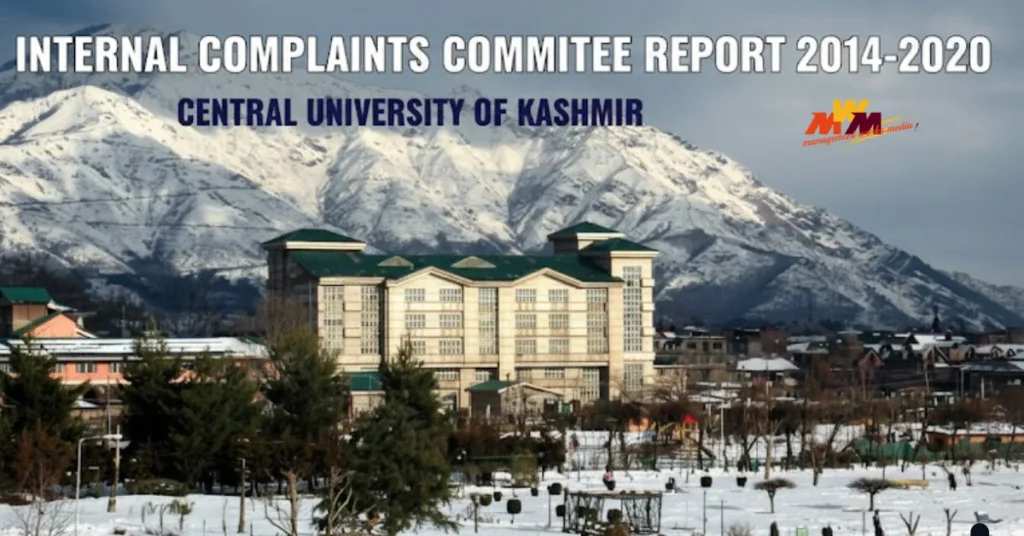
Introduction to the internal+complaints+committee+report+2014-2020+central+university+of+kashmir
The issue of sexual harassment in educational institutions continues to be a pressing concern, demanding urgent attention and action. At the forefront of this battle is the internal+complaints+committee+report+2014-2020+central+university+of+kashmir, which has been diligently working from 2014 to 2020 to uphold a safe learning environment for all students and staff. This six-year journey reflects not only the challenges faced but also the strides made towards implementing Prevention of Sexual Harassment (POSH) guidelines effectively.
In this blog post, we will delve into the ICC’s comprehensive report covering its efforts over these years—highlighting key statistics on sexual harassment cases, actions taken by both the committee and university administration, as well as successes and obstacles encountered along the way. We aim to shed light on how these initiatives have shaped campus culture while offering insights into future strategies that can further enhance safety and support within this esteemed institution.
Background and History of the Central University of Kashmir
The Central University of Kashmir was established in 2009, nestled amidst the breathtaking landscapes of the Himalayan region. Its inception marked a significant milestone in promoting higher education in Jammu and Kashmir.
From its humble beginnings, the university aimed to provide quality education while addressing local socio-economic challenges. It has since evolved into an institution that emphasizes research and innovation.
Diverse disciplines are offered here, fostering a rich academic environment. The university’s commitment to inclusivity is evident through various programs designed to support marginalized communities.
Over the years, it has played a vital role in shaping educational policies and practices within the region. Its growing reputation draws students from across India and beyond.
Statistics on Sexual Harassment Cases at the University from 2014-2020
From 2014 to 2020, the Central University of Kashmir recorded a concerning number of sexual harassment cases. The statistics reveal a troubling trend that highlights the urgent need for effective measures.
In these six years, reports indicated an upward trajectory in incidents. Initial years saw fewer complaints, but awareness campaigns and policy changes encouraged more individuals to come forward.
The numbers varied significantly from year to year. Certain spikes corresponded with heightened visibility around women’s rights issues nationwide. This correlation suggests that as societal attitudes shifted, so did the willingness of victims to report their experiences.
Data also reflected patterns based on demographics within the university community. Female students were disproportionately affected compared to other groups—an indicator that specific focus areas require immediate attention.
These figures underscore not only individual stories but also systemic challenges remaining unaddressed within academic settings.
Actions Taken by the ICC and University Administration
The internal+complaints+committee+report+2014-2020+central+university+of+kashmir has been proactive in addressing grievances related to sexual harassment. Since its establishment, it has ensured a safe environment for all students and staff.
To tackle complaints effectively, the ICC developed clear protocols for reporting incidents. Training sessions were organized to raise awareness about the Prevention of Sexual Harassment (POSH) guidelines among faculty and students.
The university administration played a crucial role by supporting these initiatives. They allocated resources for workshops aimed at educating individuals on recognizing inappropriate behavior and understanding consent.
Regular monitoring mechanisms were established to evaluate compliance with POSH regulations. This included periodic reviews of reported cases and outcomes, ensuring accountability within the institution.
Collaborations with external organizations also provided additional training opportunities. These partnerships enhanced the skills of committee members in handling sensitive issues surrounding harassment claims effectively.
Successes and Challenges in Implementing POSH Guidelines
The implementation of the POSH guidelines at the Central University of Kashmir has seen notable successes. Awareness campaigns and workshops have educated staff and students about their rights, fostering a more informed community. Increased reporting mechanisms have empowered individuals to voice their concerns without fear.
However, challenges persist. Some victims still hesitate to come forward due to stigma or lack of trust in the system. The sensitivity required in handling such issues can be daunting for committee members as well.
Additionally, while policies are set, actual enforcement often lags behind intentions. Ensuring that all complaints are taken seriously remains an ongoing struggle.
Regular training sessions for ICC members could enhance their efficacy when addressing cases. A culture shift within the university is essential for true accountability and support for those affected by harassment.
Improvement Strategies Implemented by the ICC
The internal+complaints+committee+report+2014-2020+central+university+of+kashmir has adopted various strategies to enhance its effectiveness. One significant improvement is the establishment of awareness programs aimed at educating students and faculty about sexual harassment and their rights under the law.
Regular workshops and seminars have become a cornerstone of these initiatives. These sessions involve interactive discussions, allowing participants to voice concerns in a safe environment. This approach not only promotes understanding but also fosters trust within the university community.
Additionally, improvements in reporting mechanisms have streamlined processes for victims. Anonymity options are now available, making it easier for individuals to come forward without fear of retaliation.
Feedback loops with stakeholders help gauge the effectiveness of these strategies and adapt as needed. By continuously refining their methods, the ICC strives to create a safer academic environment for everyone involved.
Impact of the ICC and POSH Implementation on University Culture
The implementation of the internal+complaints+committee+report+2014-2020+central+university+of+kashmir) and POSH guidelines at the Central University of Kashmir has significantly influenced campus culture. Students now feel more empowered to voice their concerns regarding harassment, fostering a safer environment.
Awareness campaigns have played a crucial role in educating the university community about gender sensitivity and respect. Workshops and seminars led by ICC members have opened up dialogues that were previously unaddressed.
Additionally, the establishment of clear reporting mechanisms has built trust within the student body. Many individuals are beginning to recognize their rights and know where to seek help when needed.
This shift creates a supportive atmosphere conducive to learning and personal growth. As accountability measures strengthen, faculty, staff, and students alike contribute collaboratively toward maintaining an inclusive educational experience for everyone on campus.
Future Recommendations for the Central University of Kashmir
To enhance the effectiveness of the Internal Complaints Committee, it’s vital to invest in continuous training programs. Regular workshops can equip members with updated knowledge on handling cases sensitively and effectively.
Promoting a culture of transparency is crucial. Establishing an anonymous feedback mechanism allows students and staff to voice concerns without fear. This may motivate additional affected individuals to report their experiences openly.
Additionally, increasing awareness about POSH guidelines through seminars could foster a safer environment. Engaging alumni as mentors for current students might also strengthen community ties and support networks.
Collaboration with local NGOs focused on women’s rights can bring fresh perspectives into campus initiatives. Such partnerships may lead to innovative approaches that resonate deeply within the university context.
Periodic reviews of policies ensure they remain relevant and effective in addressing emerging challenges in sexual harassment prevention and response strategies at the Central University of Kashmir.
Conclusion
The internal complaints committee report for the period of 2014-2020 at the Central University of Kashmir sheds light on significant developments in addressing sexual harassment. Over these six years, the university has made strides in promoting a safer learning environment through effective implementation of POSH guidelines.
While challenges remain, particularly regarding awareness and reporting mechanisms, the actions taken by both the ICC and university administration mark meaningful progress. The statistics indicate an increasing engagement with support systems designed to protect students and staff alike.
Improvement strategies have paved new paths for fostering accountability within campus culture. As institutions continue to evolve, it’s essential that they build upon these foundations while remaining vigilant in their efforts against harassment.
Looking ahead, there are many opportunities for further enhancement. Strengthening communication about available resources can empower individuals to speak out without fear. Collaborative workshops involving faculty and students may also help cultivate a more informed community prepared to challenge inappropriate behavior head-on.
As we reflect on this report’s findings, it becomes evident that sustained commitment is crucial for genuine change within academic environments like that of the Central University of Kashmir. Together, stakeholders must strive toward creating not just compliance but a lasting culture where respect prevails.