
Acoustics play a critical role in how sound is experienced within a space. Poor acoustic conditions can lead to echo, noise buildup, and reduced clarity, making communication and listening uncomfortable. Whether in residential, commercial, or professional environments, controlling sound is essential for comfort, productivity, and performance.
Sound-absorbing panels are commonly used to address acoustic challenges. These panels reduce unwanted reflections and reverberation, improving overall sound balance. The quality of materials used in acoustic treatment directly affects results, making material selection an important consideration. Among available options, wood-based panels provide an effective solution that combines acoustic performance with visual appeal.
The Basics of Acoustics
Sound travels as vibrations through air and other materials. When sound waves encounter surfaces, they can be absorbed, reflected, or diffused. Hard surfaces such as concrete or glass reflect sound, often causing echo and reverberation. Soft or porous materials absorb sound energy, reducing reflection and improving clarity.
Room acoustics vary depending on how a space is used. Home theaters require balanced sound for immersive audio, while recording studios depend on controlled acoustics for accurate sound capture. Offices and classrooms benefit from reduced background noise to support communication. In all these settings, materials used in walls, ceilings, and furnishings influence how sound behaves.
The Role of Wood in Acoustic Treatment
Wood has been used for acoustic purposes for centuries, particularly in concert halls and performance spaces. Its natural structure allows it to interact with sound waves in a balanced way, absorbing some frequencies while diffusing others. This combination helps create environments that sound controlled without feeling overly dampened.
Wood offers several advantages for sound absorption. It provides durability, stability, and a natural appearance that complements modern and traditional interiors. Its density and grain structure contribute to consistent acoustic performance, making it suitable for both professional and residential applications.
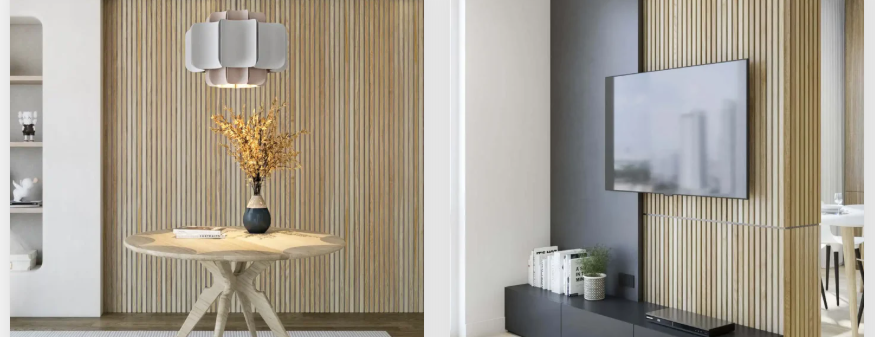
The ability of wood to manage sound without relying solely on synthetic materials has made it a preferred option for spaces where design and function must coexist.
Understanding Sound-Absorbing Panels
Sound-absorbing panels are designed to reduce noise by absorbing sound energy rather than allowing it to reflect back into a room. Their primary purpose is to control reverberation, improve speech clarity, and reduce distractions. These panels are widely used in offices, studios, theaters, and homes.
Various types of sound-absorbing panels are available, including foam, fiberglass, fabric-wrapped panels, and wood-based systems. While foam and fabric panels are effective, wood panels offer a unique balance between absorption, diffusion, and design flexibility.
Wood sound-absorbing panels are engineered to improve acoustics while maintaining structural strength and visual consistency. Their design often incorporates slats or perforations backed by acoustic materials, enhancing sound control without sacrificing appearance.
How High-Quality Wood Panels Improve Acoustics
High-quality wood panels improve acoustics by combining material density with controlled surface design. Their structure allows sound waves to enter the panel system, where energy is dispersed and absorbed. This process reduces echo and improves sound clarity within the space.
Compared to synthetic materials, wood panels provide a more natural acoustic response. While foam may absorb sound aggressively, wood panels balance absorption and diffusion, resulting in a more comfortable listening environment. Additionally, wood panels offer greater durability and long-term performance when properly maintained.
In practical applications, premium wood panels have been shown to reduce noise levels in offices, improve speech intelligibility in classrooms, and enhance audio quality in studios. These results highlight their effectiveness across multiple environments.
For spaces requiring both performance and visual consistency, wood sound absorbing panels offer a reliable solution that meets acoustic needs without compromising interior design.
Choosing the Right Wood Sound Absorbing Panels
Selecting the appropriate sound-absorbing panels involves several factors. Material quality, panel thickness, surface design, and acoustic rating all influence performance. Fire safety ratings and environmental impact may also be important depending on the application.
Identifying high-quality wood panels requires attention to construction details. Consistent grain, stable moisture content, and smooth finishes indicate reliable manufacturing. Panels should feel solid and be free from warping or surface defects.
The choice of wood species also matters. Some woods offer better moisture resistance, while others provide distinct visual characteristics. Cost, durability, and compatibility with the space should guide the selection process.
Room size and layout must also be considered. Larger rooms may require more coverage or thicker panels, while smaller spaces benefit from targeted placement. Matching panel specifications to room function ensures effective sound control.
Installation and Maintenance
Proper installation is essential for achieving optimal acoustic results. Panels should be installed at key reflection points on walls or ceilings. Accurate measurement and alignment help ensure consistent coverage and performance.
Common installation mistakes include uneven spacing, ignoring manufacturer guidelines, and failing to account for room acoustics. Avoiding these issues helps maintain both appearance and function.
Maintenance of wood sound-absorbing panels is straightforward. Regular dusting and avoiding excessive moisture help preserve their structure and acoustic properties. Periodic inspection ensures long-term performance and durability.
Conclusion
High-quality wood sound-absorbing panels play an important role in improving acoustics across a wide range of environments. By reducing noise and controlling sound reflections, they create clearer, more comfortable spaces for listening, communication, and work.
Their combination of acoustic performance, durability, and visual appeal makes them a practical investment. For those seeking effective sound control without sacrificing design, premium wood panels provide a balanced and lasting solution.