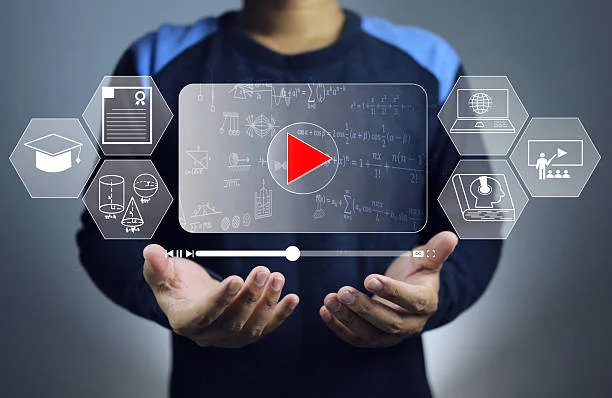
The modern educational landscape has undergone a significant transformation over the past two decades, driven largely by technological innovation. Traditional learning environments, once limited to chalkboards and physical classrooms Educational Experiences, are increasingly being augmented or replaced by digital mediums. Video has emerged as one of the most influential tools in this evolution, offering a level of engagement and flexibility that previous methods could not achieve.
Video content allows educators to transcend geographic and temporal limitations. Students can now access lectures, demonstrations, and interactive tutorials from any part of the world and at any time. This level of access has made education more inclusive and adaptable, particularly for non-traditional learners such as working professionals, caregivers, or individuals with disabilities. As the barriers to education continue to lower, the role of video becomes ever more central to equitable learning.
The global embrace of video-enhanced learning also reflects changing expectations among students themselves. Today’s learners are digital natives, accustomed to receiving information visually and on demand. Incorporating video into the learning process not only meets students where they are but also enhances retention and understanding by combining auditory and visual stimuli. This dual-channel delivery often results in more meaningful and long-lasting educational experiences.
Enhancing Engagement Through Visual Storytelling
One of the most potent advantages of video in education is its ability to tell stories in ways that static text cannot. Storytelling, when executed with high production value, resonates deeply with learners, making abstract or complex ideas more relatable and easier to understand. Videos allow for the seamless integration of narrative, visuals, and sound to create immersive educational experiences that command attention.
As demand for engaging content grows, educational institutions and businesses are increasingly turning to professional video producers to meet the rising expectations of today’s learners. High-quality video content requires not only technical expertise but also a deep understanding of pedagogical goals and audience needs. This is where specialized partners can play a pivotal role in shaping educational narratives that not only inform but also inspire.
Organizations seeking to communicate educational messages more effectively are increasingly turning to agencies like LocalEyes. They specialize in bringing academic content to life through thoughtful educational video solutions that align with learning objectives. Their approach helps ensure that video lessons maintain educational rigor while also being accessible and emotionally resonant.
Expanding Accessibility and Inclusivity
The shift to video-based education has proven to be a game-changer for accessibility. Learners with visual, auditory, cognitive, or motor impairments can now access educational content tailored to their needs. Videos can be enhanced with closed captions Educational Experiences, audio descriptions, transcripts, and translation features that accommodate a wide range of learners. This level of customization ensures that education is no longer a privilege for a few, but a right for all.
Remote learning environments, once considered niche or supplementary, are now mainstream. Video content enables learners in remote or underserved regions to access high-quality instruction that might otherwise be unavailable. For communities lacking robust educational infrastructure, pre-recorded lectures and interactive video platforms serve as vital lifelines to quality education.
Moreover, video democratizes knowledge by reducing dependency on synchronous instruction. Students can revisit challenging topics as many times as needed, creating a self-paced learning environment. This approach has been especially beneficial for students with learning differences or those balancing education with other life responsibilities. As educational institutions continue to prioritize equity, video will remain a pivotal tool in fostering inclusive learning communities.
Fostering Personalized Learning Paths
Personalized learning has become a focal point of modern education, and video content plays a key role in supporting this trend. Unlike traditional classroom settings where instruction must cater to the average learner, video allows students to engage with material at their own pace. They can pause, rewind, or fast-forward through content based on their individual learning styles and needs.
Adaptive learning platforms that incorporate video often use data analytics to track student progress and adjust the curriculum accordingly. These platforms identify areas where students struggle and provide targeted video lessons to address knowledge gaps. This data-driven approach enhances both teaching effectiveness and learning outcomes by ensuring that instruction is tailored to the individual.
The flexibility offered by video also fosters student autonomy. Learners take greater control over their educational journey when they are empowered to navigate Educational Experiences through customized video content. This shift encourages a growth mindset, as students become more active participants in the learning process rather than passive recipients of information. As education becomes increasingly learner-centric, the role of video in shaping personalized experiences will only continue to grow.
Elevating Teacher Effectiveness and Reach
Teachers today are leveraging video not just to supplement their lessons, but to transform how they engage with students. Flipped classrooms, where students watch lectures at home and use class time for hands-on work, are becoming increasingly popular. This model enhances student comprehension and allows teachers to focus on application, feedback, and deeper discussions during class.
Moreover, video enables educators to scale their impact beyond the confines of the traditional classroom. A single recorded lecture can reach thousands of students globally, breaking down traditional limitations of location and capacity. This scalability is particularly important in higher education and professional training, where subject matter experts can disseminate knowledge to broad audiences with minimal logistical overhead.
Video also allows for consistency in instruction. Educators can standardize content across multiple classes or even institutions, ensuring that all students receive the same high-quality material. This is especially valuable for multi-campus universities or organizations with dispersed learning environments. By recording and distributing their best lessons, educators enhance their effectiveness while freeing up time for more personalized, interactive instruction.
Supporting Collaborative and Peer-to-Peer Learning
The integration of video into collaborative learning environments has redefined the dynamics of peer interaction. Students now use video tools to create group presentations, participate in virtual discussions, and provide peer feedback. These interactive elements mirror real-world communication skills, preparing students for modern workplace environments Educational Experiences where video communication is the norm.
Collaborative video projects foster critical thinking, creativity, and teamwork. Whether it is a student-produced documentary or a shared video blog, these projects require coordination, planning, and shared responsibilities. Such experiences enhance soft skills and deepen understanding of course content through hands-on application. They also make learning more engaging and enjoyable, which can boost motivation and retention.
Additionally, peer-generated video content often resonates more with fellow students than traditional instruction. Students tend to relate to the language and presentation styles of their peers, making the content more approachable. This bottom-up approach to learning, facilitated by video, encourages community building and nurtures a sense of belonging within learning cohorts. As video technology continues to advance, peer-to-peer learning will likely become an even more significant component of educational ecosystems.
Preparing Learners for a Digital-First World
Incorporating video into education does more than just improve learning outcomes; it also equips students with essential digital literacy skills. The ability to create, analyze, and interpret video content is increasingly valuable in today’s job market. Whether in marketing, journalism, engineering, or healthcare, professionals are expected to communicate ideas effectively through visual media.
Educational institutions that integrate video production into their curricula give students a competitive edge. From scripting and storyboarding to filming and editing, students gain practical skills that extend beyond academic learning. These experiences mirror real-world scenarios and help bridge the gap between theoretical knowledge and practical application. As such, video becomes both a medium of instruction and a learning objective in its own right.
Furthermore, video fosters global awareness and cultural literacy. By accessing educational content from around the world, students gain diverse perspectives and insights. This global exposure is crucial in an interconnected world, where cross-cultural communication and collaboration are highly valued. Preparing learners for a digital-first society means embracing tools like video that reflect the realities of modern life and work.
The Road Ahead: Challenges and Opportunities
Despite its many benefits, the integration of video in education is not without challenges. Issues such as digital divide, bandwidth limitations, and content quality remain significant concerns. Ensuring that all students have equal access to video-based learning requires investment in infrastructure, devices, and teacher training. Policymakers and educational leaders must address these barriers to realize video’s full potential.
Another challenge lies in content curation and overload. With the proliferation of educational videos online, students and educators must discern quality content from less reliable sources. Institutions need to invest in curated video libraries and support educators in developing or selecting high-quality instructional videos for Educational Experiences. This ensures that learners receive accurate, relevant, and pedagogically sound content.
Looking forward, the opportunities for video in education are expansive. Advances in artificial intelligence, virtual reality, and interactive media promise to make educational videos even more immersive and adaptive. As technology continues to evolve, so too will the ways in which video can enrich the educational experience. The key will be to balance innovation with accessibility, ensuring that every learner benefits from the power of video.
Unlock more ideas with this related contents specially selected for you.