A good bread shop does more than fill its shelves with freshly baked loaves; it reflects the standards and choices behind every recipe. Many customers rely on visual cues or brand reputation, but identifying high-quality ingredients requires a closer look at how a bakery presents its products, sources its raw materials, and commits to transparency. Fortunately, with a few practical indicators, anyone can confidently assess whether a bread shop prioritises quality over shortcuts.
Check the Colour, Texture, and Aroma of the Bread
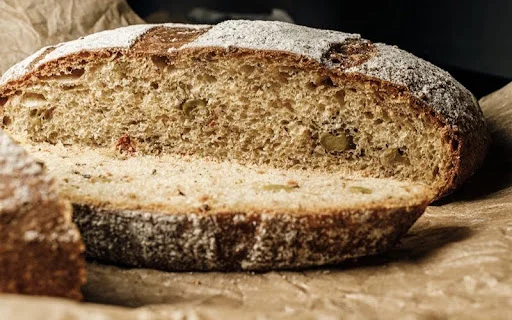
The easiest way to evaluate ingredient quality is by observing the final product. Breads made with quality flour usually have a natural golden hue, not an artificially bright or pale colour. The crumb texture should be even, soft, and slightly springy rather than dry or overly dense. High-quality ingredients also produce a distinct aroma—fragrant but not overly sweet or artificial. Once a bread shop relies on preservatives or artificial enhancers, the scent tends to be flatter and more synthetic. Customers can quickly separate genuine craftsmanship from mass-produced bread by paying attention to these sensory details.
Look for Short and Understandable Ingredient Lists
A reputable bread shop is usually transparent about what goes into its bakes. Whether displayed on packaging or shared by staff, the ingredient list should be simple and recognisable. Items like flour, water, yeast, salt, and natural add-ins suggest a clean baking approach. Once the list includes unnecessary additives, improvers, or unfamiliar chemical names, it may indicate cost-cutting or reliance on artificial enhancers. High-quality ingredients do not require excessive modification, and bakeries that prioritise them tend to keep their recipes clean and minimal.
The follow-up thought your curiosity has already started forming.
Observe the Freshness Cycle During the Day
Freshness is a strong indicator of quality because high-grade ingredients typically do not stay on shelves for long. A good bread shop will have clear baking cycles, replenishing popular items several times a day rather than letting them sit from morning until closing. Once a shop regularly empties trays and refills them with new batches, it shows that customers trust the quality and that the bakery works with ingredients that perform well without heavy preservatives. On the other hand, loaves that remain unchanged for hours may reflect reliance on additives designed to extend shelf life.
ALSO READ: Beyond the Bun: How Bread Shops Reflect Singapore’s Evolving Diet
Pay Attention to Staff Knowledge and Transparency
Bakeries that take pride in high-quality ingredients usually train their staff to explain sourcing, preparation methods, and special ingredients. Once employees can confidently answer questions about where the flour comes from, how the sourdough starter is maintained, or whether the bakery uses butter instead of margarine, it indicates a strong commitment to quality control. A bread shop that avoids answering or gives vague responses may not be using ingredients worth highlighting. Transparency is a critical sign of a shop that values its reputation and customer trust.
Inspect the Range of Specialty Breads
Certain products serve as strong indicators of ingredient quality. Sourdough, wholegrain loaves, and pastries made with real butter require high-quality flour, active cultures, and proper baking techniques. Once a bread shop offers such items consistently and with good structure, it shows that the bakery invests in premium raw materials. Shops that rely heavily on overly sweetened buns, artificial fillings, or mass-produced pastries may prioritise volume over quality. A robust range of artisanal items is usually a reliable sign of better ingredients.
Consider the Price Point and Portion Sizes
While cheap bread can still be decent, high-quality ingredients usually come at a slightly higher cost. A suspiciously low price often indicates the use of cheaper flour blends, artificial flavours, or margarine instead of butter. A good bread shop balances fair pricing with bread that feels substantial, tastes rich, and maintains its texture even after a few hours. Once prices reflect craftsmanship without being excessive, it suggests that the bakery invests in better ingredients rather than cutting corners.
Conclusion
A reliable way to judge a bread shop is to look beyond attractive displays and focus on craftsmanship, transparency, and consistency. From aroma and texture to ingredient lists and staff knowledge, each detail reveals how much care goes into the recipes. Once a shop is proud of its ingredients, the quality becomes evident in every loaf and pastry, giving customers a clear reason to return.
Visit Taste of SG to discover more guides on choosing the best bakeries and fresh bakes in Singapore.
There’s more here than meets the eye—keep exploring at Management Works Media.