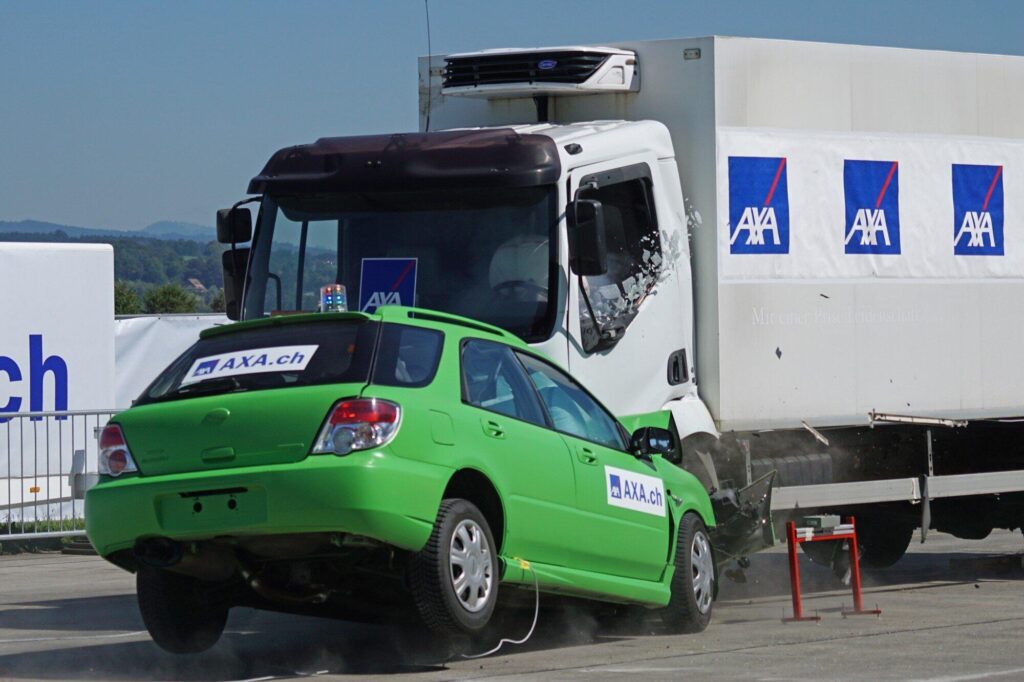
Accidents can happen to anyone, and when they do, knowing how to safely protect your vehicle afterward is crucial. After a crash, the first thing to remember is to stay calm.
The next steps are just as important as keeping your cool. This article provides essential steps to secure your vehicle after an accident, ensuring you prevent further damage while staying safe.
Assess the Situation
Before anything else, take a moment to assess the situation. Check if everyone inside the vehicle is alright. If anyone is injured, call for medical assistance right away.
Once you have ensured safety, it’s time to check the vehicle itself. Look for signs of leaking fluids, smoke, or any other hazards that could make the situation worse.
If the vehicle is in a dangerous location, like the middle of a busy road, try to move it to a safer spot. This may not always be possible, especially if the car is badly damaged. In such cases, turn on your hazard lights to alert other drivers.
Document the Accident
After making sure everyone is safe, it’s important to document the accident. Take clear photographs of your vehicle, the other vehicle involved, and the surrounding area. These photos can help insurance companies assess the damage. Also, gather any witnesses’ contact information, as their statements might be valuable later.
Make sure to write down important details such as the time and location of the crash, the weather conditions, and any other relevant facts. This information can serve as a helpful record.
Notify Your Insurance Company
Once you have safely documented the accident and contacted the authorities, it’s time to notify your insurance company. Most insurance companies require you to report accidents as soon as possible. Provide them with all the details and the documentation you collected.
Your insurance agent will guide you through the claims process and advise you on how to proceed from here. They may also recommend trusted repair shops where you can take your vehicle for an evaluation.
Consider Storage Solutions
If your vehicle needs to stay at the repair shop for an extended period, or if you’re waiting for it to be towed, think about where it will be stored. Some insurance companies offer secure storage facilities for such situations. Ensure your vehicle is in a safe environment to prevent vandalism or further damage.
Educate Yourself About the Risks
Understanding your vehicle type can also help in the overall protection strategy. For example, hybrid and electric cars have unique features and risks involved with repairs and towing. Engaging in a hybrid and electric cars risk analysis might benefit you, providing insights on how to handle potential accidents involving these types of vehicles.
Follow Up on Repairs
After completing the necessary steps, once your vehicle is repaired, make sure to follow up with the repair shop. Ask for a detailed report on the repairs made and keep records of all the documents for future reference. Knowing exactly what was repaired will help you in case future issues arise related to the accident.
Protecting Your Vehicle After an Accident
In summary, knowing how to safely protect your vehicle after a crash is crucial for ensuring safety and minimizing damage. By assessing the situation, documenting the accident, and taking proper preventive measures, you can better navigate this challenging experience. Stay informed about your vehicle type and understand its unique needs.
For more helpful tips, check out the rest of our site today.