Is your commercial roof ready to last for years without problems? Many roofs face damage from weather, debris, and neglect. Each type of roof material needs its own care. Proper maintenance can prevent leaks and costly repairs.
This guide gives a complete checklist for every material. Learn the steps to inspect, clean, and protect your roof. Start following this checklist today to keep your roof strong and safe.
Roof Care Basics
A well-maintained roof protects your building and business. Regular inspections help spot problems early. Check for cracks, leaks, or loose materials. Remove debris like leaves, branches, and dirt. Keep gutters and drains clean for proper water flow. Watch for signs of water damage inside the building. Small repairs prevent bigger and more costly issues.
Different roof materials need different care steps. Inspect flashing around vents, skylights, and edges. Weather can cause wear and damage over time. Use proper safety equipment during inspections. Schedule maintenance at least once a year. Following basic care steps keeps your roof strong and safe.
Annual Checks
Annual roof checks help prevent serious damage. Schedule inspections at least once a year. Check all roof surfaces for cracks or wear. Inspect flashing around vents, skylights, and edges. Look for leaks or water stains inside the building. Clean gutters and drains during each check. Remove debris like leaves, branches, and dirt.
Check for loose or missing shingles or tiles. Inspect metal roofs for rust or corrosion. Flat roofs may need extra attention to standing water. Take notes and photos of any issues found. Small repairs during annual checks save money later. Regular yearly checks keep the roof strong and safe.
Safety First
Safety is the most important part of roof maintenance. Always wear shoes with good grip. Use a safety harness on high or steep roofs. Avoid inspecting the roof in wet, icy, or windy conditions. Make sure ladders are stable and secure. Keep tools organized to prevent trips or falls.
Never inspect the roof alone if it is dangerous. Watch for weak or damaged areas before walking. Stay away from edges and overhangs. Wear protective gear like gloves and helmets. Follow local safety rules and building codes. Check weather conditions before starting any work. Taking safety seriously prevents accidents and injuries.
Flat Roof Care
Flat roofs need regular care to stay in good condition. Check for standing water after rain or storms. Remove leaves, dirt, and debris from the surface. Inspect seams and joints for cracks or lifting. Look for blisters or bubbles in the roofing material. Check drains and scuppers for clogs.
Inspect flashing around vents and edges. Watch for signs of leaks inside the building. Small cracks should be repaired quickly. Avoid walking on weak or damaged areas. Flat roofs may need extra checks after heavy weather. Keep a record of inspections and repairs. Regular flat roof care helps prevent major damage.
Shingle Roof Care
Shingle roofs need regular inspections to stay strong. Check for missing, cracked, or curled shingles. Look for loose nails or fasteners. Inspect flashing around chimneys, vents, and skylights. Remove debris like leaves, branches, and dirt. Watch for moss, algae, or mold growth. Clean gutters to prevent water damage.
Repair damaged shingles as soon as possible. Check for signs of leaks inside the building. Avoid walking on weak or brittle shingles. Trim overhanging tree branches to prevent damage. Take notes and photos during inspections. Regular shingle roof care extends the roof’s life and protects the building.
Metal Roof Care
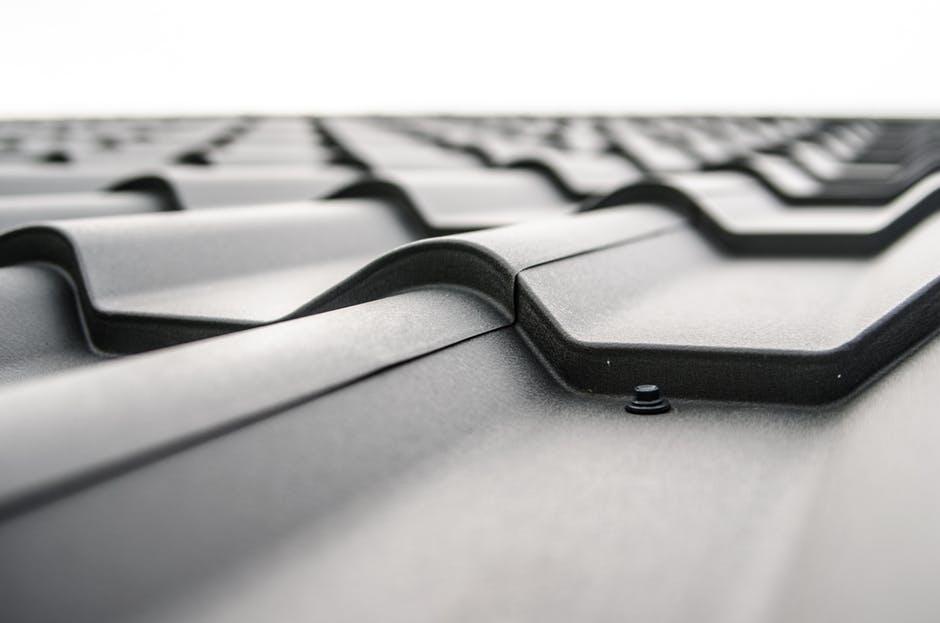
Metal roofs last a long time but need regular care. Check for rust or corrosion on panels and fasteners. Look for loose or missing screws and bolts. Inspect seams and joints for gaps or damage. Clean debris like leaves, dirt, and branches from the roof. Make sure gutters and drains are clear to prevent water buildup. Check flashing around vents, skylights, and edges.
Watch for dents or scratches from storms or falling objects. Small repairs prevent bigger problems later. Avoid walking on weak or damaged areas. Apply protective coatings if needed to prevent rust. Take notes and photos of any damage found. Regular metal roof care keeps the roof strong and safe.
Tile Roof Care
Tile roofs are strong but need regular care. Check for broken, cracked, or missing tiles. Look for loose or shifted tiles after storms. Inspect flashing around chimneys, vents, and edges. Remove debris like leaves, dirt, and branches. Watch for moss, algae, or mold growth. Clean gutters and drains to prevent water buildup.
Small cracks or damage should be repaired quickly. Avoid walking on tiles, as they can break easily. Trim overhanging tree branches to prevent damage. Check for signs of leaks inside the building. Take notes and photos during inspections. Regular tile roof care protects the building and extends roof life.
Rubber Roof Care
Rubber roofs are durable but need regular maintenance. Check the surface for cracks, tears, or punctures. Inspect seams and edges for lifting or gaps. Remove debris like leaves, dirt, and branches. Clean gutters and drains to prevent water buildup. Watch for signs of ponding or standing water. Inspect flashing around vents, skylights, and edges.
Small damage should be repaired quickly to avoid leaks. Avoid walking on weak or damaged areas. Check for mold, algae, or discoloration on the roof. Take notes and photos of any problems found. Use proper cleaners that will not damage the rubber. Regular rubber roof care helps extend its life and protects the building.
Built-Up Roof Care
Built-up roofs are strong but need regular checks. Inspect the surface for cracks, blisters, or holes. Check seams and layers for separation or lifting. Remove debris like leaves, dirt, and branches. Make sure drains and gutters are clear to prevent water pooling. Watch for standing water on flat areas. Inspect flashing around vents, skylights, and edges.
Repair small damage quickly to avoid leaks. Check for signs of leaks inside the building. Avoid walking on weak or damaged spots. Look for mold, algae, or discoloration on the roof. Take notes and photos during each inspection. Regular built-up roof care keeps the roof safe and extends its life.
Surface Cleaning
Cleaning the roof surface keeps it in good condition. Remove leaves, branches, and other debris regularly. Dirt and dust can cause wear over time. Check for moss, algae, or mold and clean it carefully. Use proper tools that do not damage the roof. Avoid high-pressure washing on fragile materials. Clean gutters and drains to prevent water buildup.
Clear debris around vents and skylights. Inspect the surface while cleaning for cracks or damage. Small repairs found during cleaning should be fixed quickly. Take care not to walk on weak areas. Record cleaning dates and any issues found. Regular surface cleaning helps the roof last longer and stay safe.
Flashing Check
Flashing protects the roof where surfaces meet, like vents and chimneys. Check for cracks, splits, or rust in the flashing. Look for loose or missing flashing pieces. Sealant around flashing may crack or peel over time. Water can seep under damaged flashing and cause leaks. Inspect flashing after storms or heavy winds. Make sure all flashing is properly secured to the roof.
Check edges and roof intersections for problems. Small flashing damage should be repaired quickly. Watch for signs of leaks inside the building. Take notes and photos of any issues found. Regular flashing checks prevent serious water damage. Proper flashing care keeps the roof strong and safe.
Gutter Care
Gutters help direct water away from the roof and building. Check gutters for leaves, dirt, and debris regularly. Remove any blockages to keep water flowing freely. Inspect gutters for cracks, holes, or rust. Make sure gutter joints are sealed and secure. Check that gutters are properly angled for drainage. Look for sagging sections that may need support.
Downspouts should carry water away from the building foundation. Watch for signs of water overflow or stains on walls. Clean gutters at least twice a year, more if needed. Keep gutters firmly attached to the roof. Small gutter repairs prevent bigger roof problems. Proper gutter care protects the building and extends roof life.
Drain Check
Drains help water flow off the roof safely. Check all roof drains for clogs or debris. Remove leaves, dirt, and other blockages. Make sure water flows freely through pipes and scuppers. Inspect drain pipes for cracks or leaks. Flat roofs need extra attention to drains. Clear drains after storms to prevent water buildup.
Watch for standing water around drain areas. Check that drains are properly secured and sealed. Look for rust or corrosion on metal parts. Small drain problems can cause big roof damage. Take notes and photos during inspections. Regular drain checks keep the roof safe and prevent leaks.
Leak Signs
Leaks can cause serious damage if not found early. Check ceilings and walls for water stains. Look for damp spots or discoloration inside the building. Inspect the roof surface for cracks or holes. Pay attention to areas around vents, skylights, and chimneys. Flat roofs may show standing water that can lead to leaks. Gutter overflow can indicate hidden leaks.
Small leaks can grow larger if ignored. Use a flashlight to see dark or hidden areas. Take notes and photos of any leaks found. Repair leaks as soon as possible. Regular inspections help catch leaks early. Early detection protects the building and reduces repair costs.
Storm Damage
Storms can cause serious damage to commercial roofs. High winds may lift or tear shingles, tiles, or metal panels. Heavy rain can lead to leaks or water pooling. Hail can dent or puncture the roof surface. Fallen branches or debris can scratch or break materials. Flashing around vents, skylights, and edges can loosen. Gutters and drains may get clogged or damaged.
Inspect the roof carefully after every storm. Look for missing or broken roofing materials. Check for leaks inside the building after storms. Small repairs should be done quickly to prevent bigger problems. Take notes and photos of any storm damage found. Regular storm checks help keep the roof safe and extend its life.
Small Repairs
Small repairs prevent bigger problems later. Fix cracks, holes, or loose materials as soon as they appear. Replace missing shingles, tiles, or panels quickly. Seal small leaks to avoid water damage. Tighten loose fasteners and screws. Repair damaged flashing around vents and edges.
Clear debris before making repairs to work safely. Use proper materials that match the roof type. Check the repair area after storms or heavy weather. Document all repairs with notes and photos. Small repairs save money over time. Regular attention to minor issues keeps the roof strong and safe.
Major Repairs
Major repairs are needed when damage is severe or widespread. They may include replacing large sections of the roof. Storms or long-term neglect often cause major problems. Leaks that affect the building structure require immediate attention. Hire professionals for complex or dangerous repairs. Use high-quality materials to ensure long-lasting results.
Major repairs can be costly, so plan and budget ahead. Inspect the roof thoroughly before starting any major work. Document the damage and repair process for records. Coordinate repairs with regular maintenance checks if possible. Properly done major repairs restore roof strength and safety.
Professional Help
Hiring professionals ensures roof repairs are done safely and correctly. Experts can spot problems that are easy to miss. They have the right tools and training for all roof types. Professional help is especially important for complex or dangerous work. They can perform tasks like metal roof repair quickly and efficiently. Experts know the proper materials to use for each roof type.
They can handle large repairs that are too difficult for DIY. Hiring professionals can save money by preventing mistakes. They follow safety rules and building codes. Professionals can provide maintenance plans for long-term care. Using skilled roof contractors keeps your commercial roof strong and safe.
Learn More About Commercial Roofs
Regular maintenance keeps commercial roofs strong and safe. Inspections help find problems early. Small repairs prevent bigger and costly damage. Hiring professionals ensures work is done correctly. Following a checklist protects the roof and extends its life.
If you’d like to learn more, check out more articles on our blog.