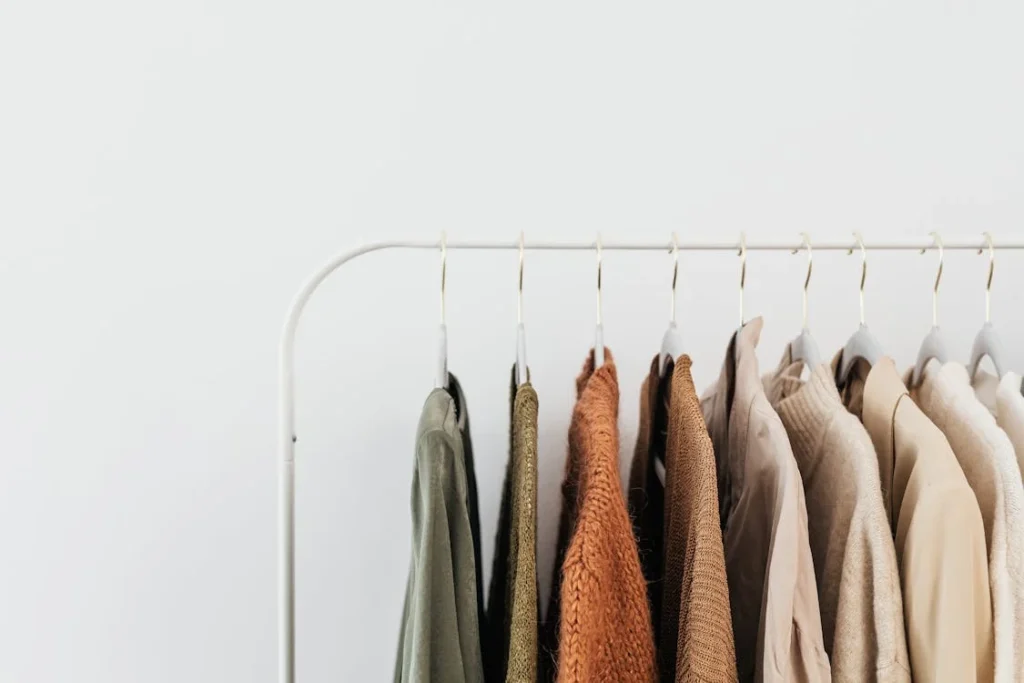
Have you ever bought an expensive piece of clothing and then worried about wearing it too often? High-end fashion looks great at first, but keeping it that way takes effort. With rising interest in slow fashion and sustainability, more people now focus on making clothes last longer. In this blog, we will share how to care for high-end clothing properly, avoid common damage, and keep your wardrobe looking sharp over time.
Choosing the Right Cleaning Approach
Cleaning is where most damage happens, even when people believe they are doing the right thing. Washing high-end clothing too often or using harsh methods can break down fibers, fade colors, and distort shapes.
Not every item needs frequent cleaning. In many cases, airing out garments after use removes odors without putting them through unnecessary stress. Spot cleaning small stains also helps avoid full washes that wear down fabric.
When professional care is needed, choosing the right service makes a difference. A couture-level provider like Hallak Cleaners has built a reputation over decades by focusing on fabric-specific care rather than one-size-fits-all methods. Their services extend beyond basic cleaning to include specialized care for materials like leather and suede, as well as storage solutions that protect garments over time.
What stands out is the level of trust placed in such services by designers and boutiques that rely on careful handling. When professionals treat each item based on its fabric and construction, the results show in how long the clothing maintains its original look.
At home, it is worth using mild detergents and avoiding overloading machines. Hand washing, when done properly, can be gentler than machine cycles for certain fabrics. However, knowing when to step back and let professionals handle the job is just as important as learning basic care.
Understanding What You’re Wearing
Before you think about cleaning or storing anything, it helps to understand what your clothing is made of. High-end garments often use delicate fabrics like silk, cashmere, wool, or blends that react differently to heat, moisture, and friction. Treating them like everyday clothes can shorten their lifespan quickly.
Take a moment to read care labels instead of cutting them off without a second thought. Those instructions exist for a reason. A silk blouse, for example, cannot handle the same washing cycle as a cotton shirt. Even slight mistakes, like using the wrong detergent or water temperature, can weaken fibers over time.
It also helps to think about how often you wear certain pieces. Rotating your wardrobe reduces strain on any single item. If you wear the same jacket every day, it will show wear much faster than one used occasionally. Giving garments time to rest helps them retain their shape and structure.
Modern trends also play a role here. With more people investing in fewer, better items instead of fast fashion, the focus has shifted from quantity to care. Owning less means each piece matters more, which makes proper handling essential.
Storing Clothes the Right Way
Storage might seem simple, but it has a strong impact on how clothing holds up over time. Hanging everything in a crowded closet leads to wrinkles, stretched fabrics, and even damage to delicate pieces.
Different items need different storage methods. Structured jackets and coats should be placed on sturdy hangers that support their shape. Knitwear, on the other hand, should be folded to prevent stretching. Using breathable garment bags protects clothes from dust while allowing airflow.
Climate also plays a role. Heat and humidity can weaken fabrics and encourage mold or mildew. Keeping your wardrobe in a cool, dry space helps maintain fabric quality. For long-term storage, especially for seasonal pieces, proper packing becomes even more important.
Another point often overlooked involves spacing. Clothes need room. Packing too many items into one space leads to friction and wear, even when they are not being used. Giving each piece enough space helps preserve its condition.
Handling Wear and Tear Early
Even with careful use, clothing will face some level of wear. The key lies in addressing small issues before they grow into bigger problems. A loose thread or minor tear might seem harmless, but ignoring it can lead to more noticeable damage.
Regular inspection helps you catch these issues early. Checking seams, buttons, and fabric condition takes only a few minutes but can save you from costly repairs later. Having a trusted tailor for quick fixes also extends the life of your clothing.
Shoes and accessories need similar attention. Leather, for example, requires conditioning to prevent cracking. Bags benefit from proper storage and occasional cleaning to maintain their structure.
This approach aligns with a broader shift toward sustainability. Instead of replacing items at the first sign of wear, people are learning to repair and maintain what they already own. It reduces waste while preserving the value of well-made pieces.
Being Mindful in Everyday Use
How you wear your clothes matters as much as how you clean or store them. Small habits can have a large impact over time. Sitting on rough surfaces, carrying heavy bags on delicate fabrics, or exposing clothing to direct sunlight for long periods can all cause damage.
Layering can help protect outer garments from sweat and friction. Using undershirts or protective layers reduces the need for frequent cleaning. It also helps maintain the original fabric condition.
Paying attention to how you move and interact with your environment may sound excessive, but it becomes natural over time. The goal is not to avoid wearing your clothes but to wear them in a way that keeps them intact.
Another aspect involves travel. Packing high-end clothing requires care to avoid wrinkles and damage. Rolling certain items, using protective covers, and placing heavier items at the bottom of your luggage can help maintain their shape.
Thinking Long Term About Your Wardrobe
High-end clothing often comes with a higher price, but it also offers better construction and materials. Treating these pieces as long-term investments changes how you approach care.
Instead of viewing clothing as disposable, think of it as something that can last for years with the right attention. This mindset not only protects your wardrobe but also aligns with the growing focus on responsible consumption.
Fashion cycles may change, but well-maintained pieces hold their value and appeal. A jacket that looks new after years of use reflects both quality and care. It also reduces the need to replace items frequently, which benefits both your budget and the environment.
Keeping high-end clothing in good condition requires effort, but it does not need to be complicated. By understanding your garments, choosing the right cleaning methods, storing them properly, and staying mindful in daily use, you create a routine that supports long-term quality. Over time, these habits turn into a system that keeps your wardrobe looking as refined as the day you bought it.