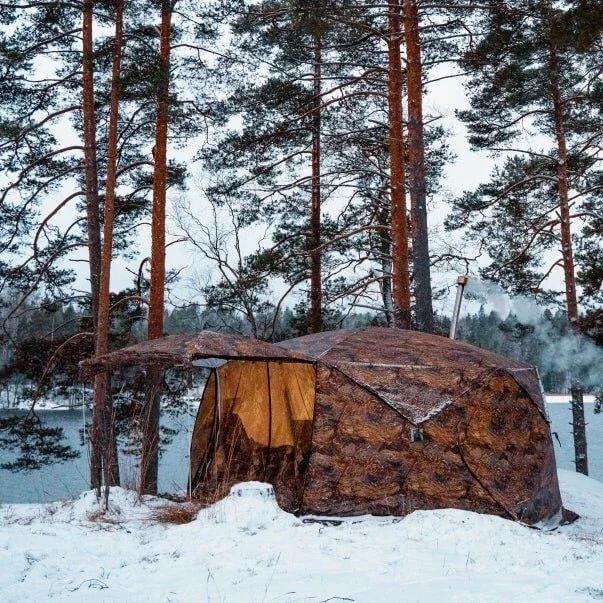
Winter camping can be the best season of the year: quieter trails, bright stars, crisp air. But once the sun goes down, one question becomes more important than any gear list: how to heat a tent safely so you actually sleep, not just endure the night.
Good tent heating starts long before you light a stove or turn on a heater. It begins with the shelter itself, then the way you insulate the ground, manage airflow, and layer your sleep system. Only after that does it make sense to think about a specific source of heat for tent comfort.
Start with the right shelter
If you want reliable comfort in real cold, the tent needs to work with you, not against you. Thicker fabrics, a stable frame, and well-placed vents all help trap warmth while letting moisture escape. That’s what makes modern inflatable designs so interesting for winter: the structure feels solid, but setup stays fast and intuitive.
If you’re building a new cold-season setup, it’s worth looking at air tents specifically designed for four-season use. There are plenty of air tents for sale that balance durability, insulation, and practical details like protected vents and spacious vestibules. A tent like this holds heat better and gives you room to organize gear without constantly brushing cold, wet walls.
For longer trips and basecamps, interior volume becomes just as important as fabric weight. When you’re ready to buy air tent models for serious winter use, think about standing height, clear zones for a stove or heater, and separate sleeping and cooking areas. That layout makes every tent heating option easier to manage.
If you prefer a dome layout with a cozy, enclosed feel, an outdoors inflatable tent gives you a stable “bubble” of warm air you can fine-tune. The more efficiently the tent holds that air, the less energy you spend wondering how to heat a tent in the winter and the more time you spend actually enjoying the snow.
How to heat a tent without electricity
Many of the best winter spots are far from outlets, so learning how to heat a tent without electricity is essential. The trick is to think about reducing heat loss first and adding heat second.
Frozen ground pulls warmth out of your body much faster than cold air. A dense groundsheet, a closed-cell foam pad, and an insulated sleeping pad under each camper stop that invisible drain. Once the floor is handled, every calorie your body produces does more work, and any extra camping heating method feels twice as effective.
From there, low-tech solutions act like small, personal radiators. Hot water bottles inside the sleeping bag are still one of the most efficient ways to heat up a tent at the level that actually matters: around your core and feet. Fill sturdy, leak-proof bottles with hot (not boiling) water, wrap them in a sleeve or sock, and tuck them near your torso and toes. This simple step turns a cold bag into a warm cocoon for hours.
Chemical hand and foot warmers play the same role on a smaller scale. They don’t replace a full system for heating a tent in winter, but on really cold nights they can be the difference between “I slept” and “I shivered until dawn.” All of these methods fall under heating tent without electricity: simple, quiet, and effective anywhere you can boil water or set up a stove outside.
Some campers also use heated rocks warmed by a campfire and then wrapped in towels before bringing them inside. This can help when you’re heating a tent in the winter, but it demands caution: only dry, non-porous rocks, plenty of cooling time, and never direct contact with the fabric of the tent or sleeping bag.
Tent heating options with a heater or stove
When temperatures drop well below freezing, passive methods sometimes aren’t enough. That’s when active tent heating options come into play.
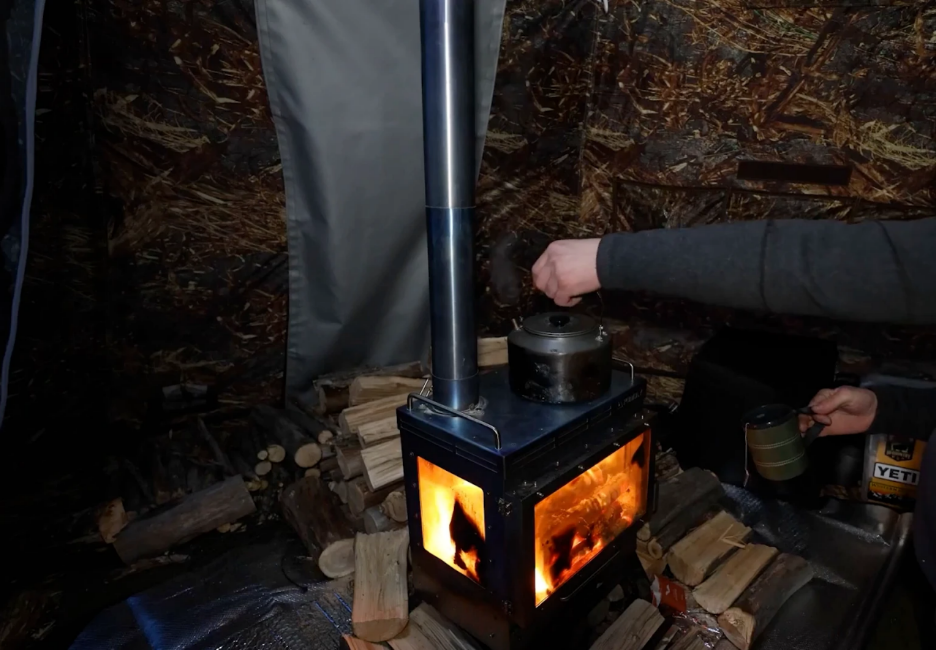
The classic solution is a small wood stove in a dedicated hot-tent style setup. In a properly designed shelter with a stove jack and heat-resistant materials, a compact stove provides steady heat, dries gear, and lets you cook inside. Used correctly, this is one of the best ways to heat a tent on multi-day winter trips: the air stays warm and dry, and the temperature doesn’t swing wildly every time the wind picks up.
If you prefer gas or liquid fuel, a safe tent heater built for indoor or tent use can be an answer. For tent heater camping, it’s important to follow a few hard rules: keep a constant supply of fresh air through vents or a slightly opened door, place the heater on a stable, non-flammable base, and never run it while everyone is asleep. These devices are great for taking the edge off the cold or warming the tent before bed, but discipline is part of the system.
Electric options come into play where power is available. Low-draw heated mattress pads and blankets used to pre-warm the sleeping area can make a huge difference in how to stay warm in a tent, without overheating the whole interior. They are best used as a comfort layer rather than the only answer to how to heat up a tent, since cables, connections, and power limits still need attention.
Safe ways to heat a tent: principles first, gear second
However you choose to heat tent interiors, the same safety principles apply. There always has to be a balance between holding heat and letting the tent breathe. A completely sealed shelter might feel warmer for a few minutes, but it quickly builds condensation and, with fuel-burning heaters, can put you at risk. Cracked vents, controlled airflow, and clear space around any hot surfaces are non-negotiable when you’re heating a tent in the winter.
It also helps to think in terms of zones. Keep the heat source in a clearly defined area, the sleep system in another, and wet gear in a third. When you’re working on how to keep warm in a tent, just a bit of organization makes it easier to move around in the dark without bumping into a stove or heater.
In the end, learning how to heat a tent is about building a complete cold-weather system: a tent that holds warmth, smart insulation under and around you, and a chosen mix of passive and active heat. When these pieces work together, you don’t have to chase extreme temperatures. Instead, you aim for consistent, dry, safe comfort — and that’s what turns heating a tent in winter from a problem to solve into a ritual you enjoy every time the snow starts to fall.