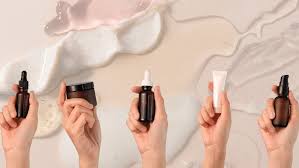
Walk into any beauty aisle, and you’ll see it. Rows of bottles, jars, and tubes promising miracles. One claims to erase wrinkles overnight. Another swears it will banish acne forever. It’s overwhelming. You want to take care of your skin, but where do you even start?
The truth is, there is no magic potion that works for everyone. Your skin is unique. It changes with the seasons, your diet, and your stress levels. Finding the perfect routine takes a little patience and some knowledge. Whether you are buying from a boutique brand or a large-scale facial product manufacturer, the most important factor is always how the formula interacts with your specific skin. Let’s break down how to cut through the noise and find what really works for you.
Know Your Skin Type First
You wouldn’t buy shoes without knowing your size. You shouldn’t buy skincare without knowing your type. This is the foundation of everything. If you get this wrong, even the most expensive products won’t help. They might even make things worse.
The Four Main Categories
Generally, skin falls into four buckets. You likely fit into one of these:
- Oily: Your face looks shiny by midday. You might be prone to breakouts or have larger pores. Your skin produces excess sebum.
- Dry: Your skin feels tight, especially after washing. You might see flaky patches. It can look dull or rough.
- Combination: This is very common. You are oily in the T-zone (forehead, nose, chin) but dry on your cheeks. It’s a balancing act.
- Sensitive: Your skin reacts easily. It gets red, itchy, or stings when you try new products. You have to be extra careful.
The Simple Test
Not sure which one you are? Wash your face with a gentle cleanser. Pat it dry. Don’t put anything on it. Wait 30 minutes. Look in the mirror. If you shine all over, you’re oily. If you feel tight when you smile, you’re dry. If only your nose shines, you’re combination.
Reading the Ingredient List
Marketing on the front of the bottle is designed to sell. The ingredient list on the back tells the truth. You don’t need a chemistry degree, but you should know a few key players.
For Acne-Prone Skin
Look for Salicylic Acid or Benzoyl Peroxide. These penetrate pores and kill bacteria. Niacinamide is also excellent for reducing inflammation and controlling oil without being too harsh.
For Dry or Aging Skin
Hydration is your best friend. Hyaluronic Acid acts like a sponge, pulling moisture into your skin. Ceramides help rebuild your skin barrier to keep that moisture locked in. For anti-aging, Retinol is the gold standard, but start slowly as it can be drying.
For Sensitive Skin
Less is more. Avoid fragrance and alcohol. Look for soothing ingredients like Aloe Vera, Oatmeal, or Chamomile. If a list is fifty ingredients long, it’s probably too risky for you.
Don’t Believe the Hype
The beauty industry moves fast. One week, snail mucin is the trend. The next, it’s bee venom. Trends are fun, but they aren’t always effective.
Price Does Not Equal Quality
A $200 cream isn’t necessarily better than a $20 one. Often, you are paying for the brand name, the packaging, or the celebrity endorsement. Many affordable brands use the exact same active ingredients as luxury lines. Focus on the concentration of ingredients, not the price tag.
“Natural” Isn’t Always Safe
Just because something is “natural” doesn’t mean it’s gentle. Poison ivy is natural, but you wouldn’t rub it on your face. Essential oils, for example, are natural but can cause severe irritation for many people. Synthetic ingredients are often designed to be stable and safe. Don’t fear the lab-made stuff.
Patch Testing is Mandatory
We have all been there. You buy a new serum, get excited, and slather it all over your face immediately. The next morning, you wake up with a rash.
Always patch test. Apply a tiny amount of the new product on your inner arm or behind your ear. Wait 24 hours. If there is no redness, itching, or burning, you are probably safe to use it on your face. It takes patience, but it saves you from a week of bad skin.
Building a Routine That Sticks
Consistency beats intensity. Using a gentle cleanser and moisturizer every single day is better than doing a harsh chemical peel once a month and neglecting your skin the rest of the time.
Start simple.
- Cleanser: Removes dirt and oil.
- Moisturizer: Hydrates and protects.
- Sunscreen: Prevents damage (use this every morning).
Once you have this habit locked down, you can add a treatment step, like a serum or exfoliator, to address specific concerns. But don’t rush it. Introduce one new product at a time. If your skin freaks out, you’ll know exactly which product caused it.
Conclusion
Choosing skincare feels like a gamble sometimes. But it doesn’t have to be. By understanding your skin type and learning a few basic ingredients, you take the power back. Stop buying products because an influencer told you to. Start buying them because they fit your specific needs. Listen to your skin. If it feels good, keep going. If it doesn’t, stop. It’s a journey, but finding that healthy glow is worth the effort.