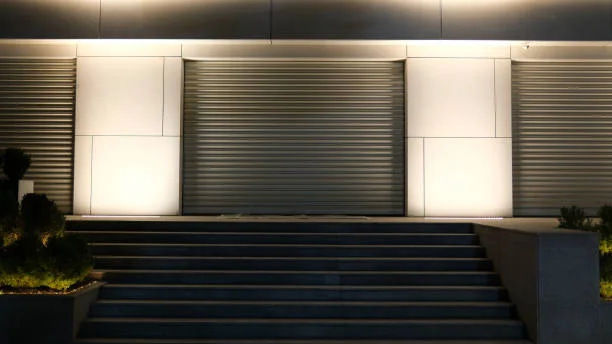
A Rolling Steel Door is one of the most reliable options for securing commercial, industrial, and even some residential properties. These doors are known for their strength, durability, and ability to handle heavy, daily use. Whether you manage a warehouse, retail store, loading dock, storage facility, or manufacturing plant, choosing the right door is an important decision, notes leading expert, Best Orlando Property Management professionals.
But with so many models, materials, and features available, it can be hard to know which one is best for your needs. This guide breaks down the key factors to consider so you can choose a rolling steel door that delivers long-lasting performance and security for your property.
1. Know Your Property’s Security Needs
Before anything else, think about what you need the door to protect. Different properties have different levels of security requirements.
Consider:
- Are you protecting inventory or expensive equipment?
- Do you need resistance against forced entry?
- Is your building in a high-traffic or high-risk area?
A Rolling Steel Door offers excellent security, but choosing the right gauge (thickness) of steel is essential. Thicker steel increases durability and makes the door harder to damage. For high-security locations, a heavier-gauge door is worth the investment.
Expand your perspective—this related post offers fresh ideas worth exploring.
2. Choose the Right Type of Rolling Steel Door
Not all rolling doors are the same. Each type is designed for a specific purpose.
Here are the most common options:
Standard Rolling Service Doors
Ideal for warehouses, loading docks, and general industrial use. They offer strong security and smooth operation.
Rolling Grille Doors
Best for retail stores or buildings where visibility and airflow matter. They allow people to see inside while still securing the space.
Fire-Rated Rolling Doors
These are designed to slow the spread of fire and smoke. Many commercial buildings use them to meet safety codes.
Insulated Rolling Doors
These help control temperature and reduce energy costs. They are useful for climate-controlled facilities or locations exposed to extreme weather.
Understanding your building’s needs helps narrow down the right door type quickly.
3. Consider Door Size and Space Requirements
A proper fit is essential for smooth operation. Rolling steel doors can be built to fit small openings or very large ones. Measure your door frame carefully and check for:
- Ceiling height
- Side clearance
- Mounting space for the barrel and guides
Because the door rolls into a compact coil, it often requires less backroom space than sectional doors. Still, proper measurements ensure a perfect installation.
4. Look at Material and Finish Options
While all rolling steel doors use steel, the finish and coating options vary depending on your needs.
Common choices include:
Galvanized Steel
Offers strong protection against corrosion, making it ideal for outdoor or humid environments.
Powder-Coated Finishes
Available in many colors, these finishes improve style while adding durability.
Stainless Steel
A premium option that resists rust and chemicals, great for clean rooms or food-processing facilities.
Choosing the right material makes your door stronger, longer-lasting, and more suitable for your environment.
5. Think About Insulation and Energy Efficiency
If your property deals with temperature control, insulation matters. An insulated Rolling Steel Door helps:
- Reduce heat transfer
- Lower energy bills
- Improve indoor comfort
- Reduce outside noise
This is especially useful for facilities in regions with harsh winters or hot summers.
6. Check the Door’s Operation Method
Rolling steel doors can be operated manually or with a motor.
Manual Operation
Suitable for smaller doors or areas with low daily traffic.
Motorized Operation
Best for large doors, heavy doors, or doors used multiple times per day. Motorized operation adds convenience and improves safety, especially in busy facilities.
Make sure the operator you choose matches the weight and size of your door.
7. Prioritize Safety Features
Safety is essential when dealing with a heavy rolling door. Key safety features to consider include:
- Safety sensors
- Emergency release mechanisms
- Fire-drop systems (for fire-rated doors)
- Auto-reversing technology
- Smooth, controlled descent
These features reduce accidents and ensure the door operates reliably.
8. Ask About Maintenance Requirements
Even though rolling steel doors are durable, they still need regular care. Some doors require more frequent lubrication or inspections depending on their use.
Look for designs that offer:
- Long-lasting springs
- Durable slats
- Easy access for repairs
- Rust-resistant hardware
A low-maintenance door saves time and reduces long-term costs.
9. Consider Weather and Environmental Conditions
Weather can affect door performance. If your property faces strong winds, extreme temperatures, or coastal humidity, be sure the door is built to handle these conditions.
You may want:
- Wind-rated doors
- Weather seals
- Rust-resistant materials
- Insulated slats
Matching your door to your local climate helps it last longer and perform better.
10. Factor in Long-Term Value, Not Just Price
While it’s tempting to choose the cheapest option, rolling steel doors are long-term investments. A stronger, better-built door often provides more security, smoother operation, and lower maintenance over time.
Focus on:
- Material quality
- Warranty coverage
- Durability
- Anticipated usage
A quality Rolling Steel Door will serve your property for many years with minimal issues.
Final Thoughts
Choosing the right rolling steel door is all about understanding your building’s needs. Security, durability, insulation, and ease of use all play important roles in finding the best fit. By comparing door types, materials, features, and installation requirements, you can make a confident decision that protects your property and keeps daily operations running smoothly.
If you’re planning an upgrade, take the time to evaluate your options and choose a door built for long-term performance. The right choice will offer years of reliability and peace of mind.
Don’t stop now—explore additional content that sparks ideas and learning.