When business owners think about maintaining a commercial property, they often focus on visible areas like interiors, parking lots, or landscaping for commercial properties. Roofing is sometimes overlooked until a problem appears.
However, the roof plays one of the most important roles in protecting a commercial building. The type of roof you choose, how it is installed, and how it is maintained can greatly affect your long-term maintenance budget.
A roof is more than just a cover over a building. It shields the structure from rain, heat, wind, and debris. It also helps control energy use and indoor comfort.
Poor roofing decisions can lead to leaks, costly repairs, and even damage to equipment or inventory. On the other hand, smart roofing choices can save money year after year.
Understanding how roofing impacts maintenance costs allows property owners to plan better, avoid surprises, and protect their investment. This article explains why roofing matters, how different roofing systems affect budgets, and what steps business owners can take to manage costs wisely over time.
Why Roofing Matters in Commercial Buildings
Roofing is the first layer of protection between a commercial property and the outside world. Every day, a roof faces sunlight, rain, wind, and temperature changes commercial properties. Over time, these forces can weaken roofing materials if they are not properly chosen or maintained.
A strong and well-maintained roof helps prevent water from entering the building. Water damage can cause mold, rot, electrical issues, and damage to walls and ceilings. These problems are not only expensive to fix but can also disrupt daily business operations.
The National Roofing Contractors Association reports that most roofing problems come from poor maintenance rather than material failure. This shows that roofing choices and ongoing care directly affect how much money is spent on repairs. A roof that is installed correctly and inspected regularly can last much longer and cost far less over its lifetime.
For commercial properties, roofing failures can be especially damaging. Leaks can ruin products, damage office equipment, or make parts of a building unsafe. In some cases, businesses may need to shut down temporarily, leading to lost income and this is why roofing should be viewed as a key part of any maintenance plan.
The Connection Between Roofing and Maintenance Budgets
Every roof comes with long-term costs. These costs include inspections, minor repairs, cleaning, and eventually replacement. The type of roofing system you choose will influence how often maintenance is needed and how expensive it will be.
Some roofing materials cost less upfront but require frequent repairs. Others may cost more at the start but need less maintenance over time. Business owners who only focus on the initial price may end up spending much more in the long run.
Maintenance budgets work best when costs are predictable commercial properties. A high-quality roof with a clear maintenance plan allows property managers to plan expenses ahead of time. Unexpected roofing failures, on the other hand, can quickly drain budgets and force emergency spending.
Choosing the right roofing system helps balance upfront costs with long-term savings. It also reduces stress by lowering the risk of surprise repairs.
Understanding Different Commercial Roofing Materials
Commercial roofs come in many types, and each has its own impact on maintenance budgets. Knowing how these materials perform over time helps business owners make smarter decisions. Asphalt-based roofing systems are common because they are affordable and easy to install.
However, they often require more frequent repairs and have shorter lifespans. Over time, small issues can add up, increasing maintenance costs.
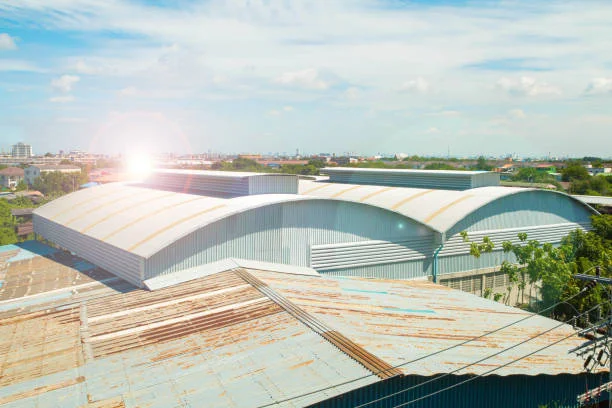
Metal roofing systems are known for their durability and long lifespan. While the initial installation cost may be higher, metal roofs often need fewer repairs and can last several decades and this makes them a good option for businesses looking to control long-term expenses.
Flat roofing systems, such as TPO or EPDM, are popular in commercial buildings. These roofs are easier to inspect and repair, which can help manage maintenance costs. When installed properly and maintained regularly, flat roofs can offer good value and performance.
The key is to choose a roofing material that fits commercial properties the building’s structure, climate, and budget goals. A roofing professional can help evaluate options and recommend the best choice for long-term savings.
How Material Lifespan Affects Budget Planning
One of the most important factors in roofing decisions is lifespan. A roof that lasts longer generally costs less over time, even if it costs more at the beginning.
Short-lived roofing materials may need replacement every 15 to 20 years. Each replacement comes with high labor and material costs. In contrast, long-lasting roofing systems can last 30 to 50 years with proper care.
A longer lifespan allows property owners to spread costs over many years. This makes it easier to plan maintenance budgets and avoid large, sudden expenses. It also improves the overall value of the property.
When choosing roofing materials, it is important to think beyond the initial price tag. Consider how long the roof will last and how much maintenance it will require each year.
Common Roofing Problems That Increase Maintenance Costs
Roofing issues often start small but can become expensive if ignored. Understanding common problems helps business owners act early and keep costs under control.
Leaks are one of the most common roofing issues. They may start as tiny openings but can quickly lead to water damage inside the building. Repairing leaks early is much cheaper than fixing structural damage later.
Drainage problems are another common concern commercial properties. Flat roofs rely on proper drainage to prevent standing water. When drains are clogged or poorly designed, water can build up and weaken roofing materials.
Flashing damage can also cause leaks. Flashing seals the edges of the roof and areas around vents or equipment. When flashing fails, water can enter the building.
Wear and tear from sunlight, wind, and temperature changes can slowly break down roofing materials. Regular inspections help catch these issues before they become serious.
Why Regular Roof Inspections Are Essential
Routine roof inspections are one of the most effective ways to manage maintenance budgets. Inspections allow small problems to be fixed early, preventing major repairs later. Most experts recommend inspecting commercial roofs at least twice a year.
Inspections should also be done after severe weather events, such as storms or heavy snowfall. During an inspection, professionals look for signs of damage, wear, or poor drainage. They also check flashing, seams, and roof surfaces for potential trouble spots.
The cost of inspections is small compared to the cost of emergency repairs or full roof replacements. Regular inspections provide peace of mind and help extend the life of the roof.
Working with a trusted atlanta commercial roofing company ensures inspections are thorough and issues are handled correctly. Experienced professionals understand local weather conditions and can recommend proper maintenance strategies.
Weather and Its Impact on Roofing Maintenance
Weather plays a major role in how roofs age and perform. Different climates place different stresses on roofing systems. Heavy rain can expose weak spots and lead to leaks.
Snow and ice add weight and can cause water to back up under roofing materials. Strong winds can loosen seams or damage flashing.
In hot climates, constant sun exposure can cause roofing materials to dry out, crack, or lose flexibility. This makes them more likely to fail over time.
Choosing roofing materials designed for local weather conditions can reduce maintenance needs. For example, reflective roofing materials help reduce heat absorption and protect the roof from sun damage. Understanding the local climate allows business owners to choose roofing systems that last longer and require fewer repairs.
Energy Efficiency and Roofing Costs
Energy efficiency is closely tied to roofing choices. A well-designed roof helps regulate indoor temperatures, reducing the strain on heating and cooling systems.
Reflective or “cool” roofing materials bounce sunlight away from the building. This keeps indoor spaces cooler and lowers air conditioning costs during warm months.
Better insulation within roofing systems helps keep heat inside during colder months and this reduces heating costs and improves comfort. Lower energy use means lower utility bills. Over time, these savings can be significant and help offset the cost of installing higher-quality roofing materials.
Energy-efficient roofing systems may also qualify for rebates or incentives. These programs can help reduce upfront costs and improve long-term budget planning.
Preventative Maintenance as a Cost-Saving Strategy
Preventative maintenance focuses on fixing small issues before they turn into big problems. This approach is one of the best ways to control roofing expenses.
Simple actions like clearing debris, cleaning drains, and sealing minor cracks can greatly extend a roof’s life. These tasks are much cheaper than major repairs or replacements.
A preventative maintenance plan creates a schedule for inspections and minor repairs. This allows property managers to budget for roofing expenses instead of reacting to emergencies.
Over time, preventative maintenance reduces unexpected costs and helps keep maintenance budgets stable. It also improves the reliability and performance of the roof.
The Importance of Proper Installation
Even the best roofing materials can fail if they are not installed correctly. Poor installation often leads to leaks, drainage issues, and early wear.
Hiring experienced roofing professionals ensures the roof is installed according to manufacturer standards. This helps protect warranties and ensures the roof performs as expected.
Proper installation reduces the need for early repairs and lowers long-term maintenance costs. It also improves safety and reliability. Choosing a reputable commercial roofing company helps ensure quality workmanship and long-lasting results.
Choosing the Right Roofing Contractor
The roofing contractor you choose can have a major impact on maintenance budgets. Skilled contractors provide quality installation, honest advice, and reliable service. Before hiring a contractor, business owners should review credentials, experience, and customer feedback.
A trustworthy contractor will explain options clearly and help choose materials that fit budget goals. A good contractor also offers ongoing maintenance services.
Having a long-term relationship with a roofing professional makes it easier to manage inspections, repairs, and upgrades. Working with the right contractor is an investment that pays off through lower maintenance costs and better roof performance.
Planning for Roof Replacement Costs
No roof lasts forever. Eventually, replacement becomes necessary. Planning ahead helps avoid financial stress when that time comes.
Setting aside funds each year for future roof replacement spreads costs over time. This approach prevents sudden budget shortfalls and allows for better financial planning. Some roofing manufacturers offer warranties that cover materials for many years. Understanding warranty terms helps reduce replacement costs.
Financing options may also be available, making it easier to manage large expenses. Planning early gives business owners more choices and better control over costs.
How Roofing Affects Property Value
A well-maintained roof adds value to a commercial property. Buyers and tenants see a strong roof as a sign of good management and lower future costs.
Properties with poor roofing may be harder to sell or lease. Buyers may demand lower prices to account for needed repairs or replacements. Investing in quality roofing and regular maintenance improves curb appeal, protects the building, and strengthens property value over time.
Creating a Sustainable Maintenance Budget
A sustainable maintenance budget balances immediate needs with long-term planning. Roofing plays a central role in this process. By choosing durable materials, scheduling regular inspections, and investing in preventative maintenance, business owners can control costs and reduce surprises.
Understanding how roofing decisions affect budgets allows property managers to make informed choices. It also helps protect the building and support business operations.
Partnering with a reliable commercial roofing company provides expert guidance and dependable service. With the right approach, roofing becomes a manageable and predictable part of property maintenance.
Final Thoughts on Smart Roofing Decisions
Roofing is one of the most important investments in a commercial property. It protects people, equipment, and operations every day. Smart roofing choices lead to fewer repairs, lower energy costs, and longer roof life.
Poor choices often result in frequent maintenance issues and unexpected expenses. By understanding the connection between roofing and maintenance budgets, business owners can plan more effectively and protect their investments.
Taking action today through inspections, preventative care, and informed material choices helps ensure commercial roofs remain strong, efficient, and cost-effective for years to come.
A related story that adds depth, clarity, and a new angle at Management Works Media.