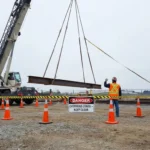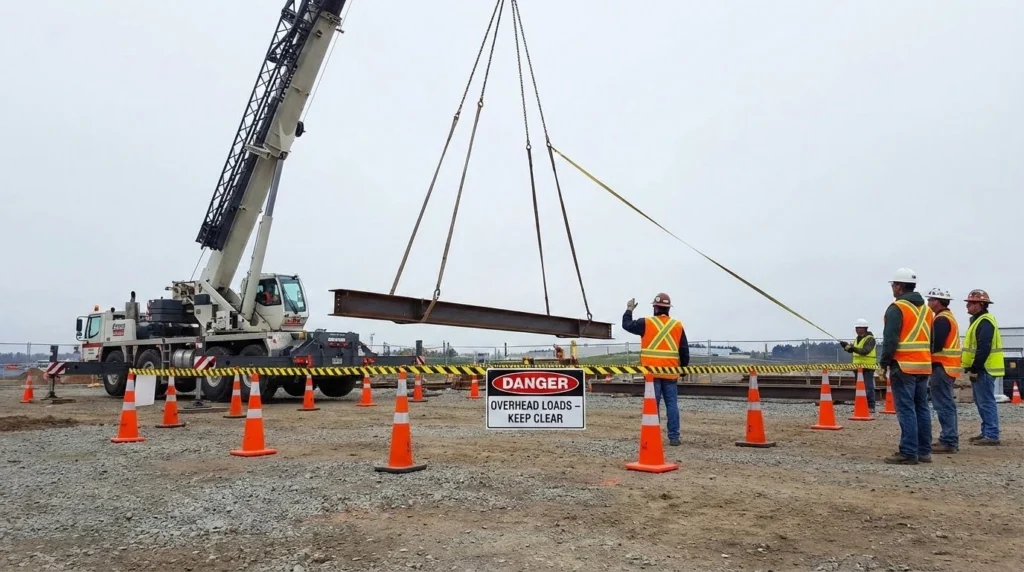
Complex lifting projects can be stressful and full of unexpected challenges. Every delay or mistake can ripple through a project, costing time and money. That is why working with a reliable industrial equipment supplier early on can make a huge difference. They help teams plan the right equipment, identify risks, and set realistic timelines before any lifting begins. With proper preparation, projects run more smoothly, and everyone on site can feel more confident and in control.
Why Early Planning Matters in Lifting Projects
Early planning gives teams a clear picture of what will be needed and where potential challenges might arise. By identifying risks and equipment needs ahead of time, project managers can prevent costly delays and last-minute scrambles. Consulting with experts before lifting begins ensures the entire team is prepared and confident from day one.
Choosing the Right Equipment Partner
Finding the right equipment partner is about more than just buying tools. The right partner becomes part of your team and helps projects run smoothly from the very start.
Experience and Industry Knowledge
Look for a partner with proven experience in complex lifting projects. Their knowledge of equipment capabilities, industry standards, and site conditions can save time and prevent mistakes before they happen.
Comprehensive Product Range
A reliable industrial equipment supplier offers a wide selection of gear, from slings and hoists to rigging hardware and custom solutions. Having access to the right equipment without scrambling at the last minute makes planning far easier.
Engineering and Technical Support
Choose a partner who can provide technical guidance and engineering input. They can help assess load requirements, recommend the best equipment, and ensure everything meets safety standards.
Collaborative Approach
The right partner works closely with project managers and engineers. They participate in planning meetings, offer insights on logistics, and help foresee challenges so the team is ready for every stage of the project.
Commitment to Safety
A dependable supplier prioritizes safety through proper certifications, load testing, and compliance guidance. This focus gives project teams confidence and reduces the likelihood of delays caused by unexpected hazards.
Equipment Selection Before Any Lifting Begins
Choosing the right equipment early sets the tone for the entire project. Working closely with your equipment partner ensures every tool and device is carefully matched to the job before lifting starts.
Assessing Load Requirements
Before any equipment is chosen, it is important to understand exactly what loads will be lifted and moved. This allows the team to select gear that can handle the weight safely and efficiently without overloading or risking failure.
Custom Solutions When Needed
Some projects require equipment that goes beyond standard offerings. Partners can design and fabricate custom slings, rigging hardware, or skids to fit unique lifting challenges and site conditions.
Choosing the Right Hoists and Slings
Choosing the right hoists, slings, and chains is critical for smooth and balanced lifting operations and should therefore be considered during the preparation phases. Correctly rated equipment not only minimizes the risk of work stoppages caused by gear incompatibility or safety issues but also ensures overall efficiency and safety of the operation.
Integrating Safety and Monitoring Tools
Including load monitoring devices, safety gear, and fall protection during planning helps prevent accidents and keeps projects compliant with regulations. Early integration means the team is prepared and avoids last-minute changes on site.
Collaborating with Engineers and Project Managers
Equipment selection is most effective when suppliers, engineers, and project managers work together. This collaboration ensures all equipment choices are practical, safe, and aligned with project timelines.
Risk Identification and Preventive Measures
Identifying risks at the earliest stage is a crucial way to prevent the heavy losses through delays and safety concerns, which typically occur during lifting projects. Taking a proactive stance enable the project team to envisage possible problems and to implement remedies even before the problems cause the schedule to slip or operations to be disrupted.
Spotting Equipment Limitations
Experienced partners spot gear that fails under real loads. They see mismatches before they cause problems. But this stops emergency swaps and keeps lifts safe, smooth, and on track.
Analyzing Site Conditions
Factors like terrain, weather, and available space can create hidden challenges for lifting operations. Reviewing these conditions in advance allows the team to plan for adjustments and avoid surprises during execution.
Assessing Load Stability
Not every load is of the same shape and nature or can be foreseen. Partners may judgeweight distribution, gravity center, and attachment points in order to avoid tipping, swinging orunbalanced lifts that might result in delay or accidents.
Planning for Contingencies
Even with the best planning, unexpected issues can arise. A trusted partner helps create backup plans for equipment failure, delayed deliveries, or changes in project scope, keeping the project on track.
Training and Safety Protocols
Ensuring the team knows how to use equipment properly is part of risk prevention. Suppliers who provide guidance, demonstrations, or training support reduce the chance of operator errors and improve overall safety.
Real World Benefits of Pre-Planning
Taking the time to plan before any lifting begins pays off in ways that go beyond just meeting deadlines. Teams experience smoother operations, fewer surprises, and greater confidence on site.
Reduced Project Delays
Preplanning helps identify potential issues before they become real problems. With the right equipment and strategies in place, projects can move forward without unexpected downtime or holdups.
Improved Safety on Site
Early planning ensures that equipment, rigging, and safety protocols are all aligned with the project’s needs. This proactive approach reduces accidents and protects both personnel and assets.
Better Resource Management
Knowing exactly what equipment and personnel are required allows teams to allocate resources efficiently. It avoids last-minute purchases, double handling, or unnecessary labor costs.
Enhanced Team Confidence
As long as everyone understands the plan and has the right set of tools, team members will be able to dedicate their efforts to execution rather than being anxious about what may go wrong. This will boost their spirits and keep the project in line.
Cost Savings
It will be a saving if you manage to avoid last-minute equipment rentals, emergency shipments, bypassing processes, or work stoppages. A good pre-planning through a trusted and reliable equipment partner will not only help keep the budget on track but also maintain the high standards.
Conclusion
Working with a trusted industrial equipment supplier from the very beginning makes complex lifting projects far more predictable and efficient. Early planning, careful equipment selection, and proactive risk management keep teams safe and on schedule. Taking the time to prepare properly ensures projects run smoothly, costs stay under control, and everyone on site can feel confident in the outcome.