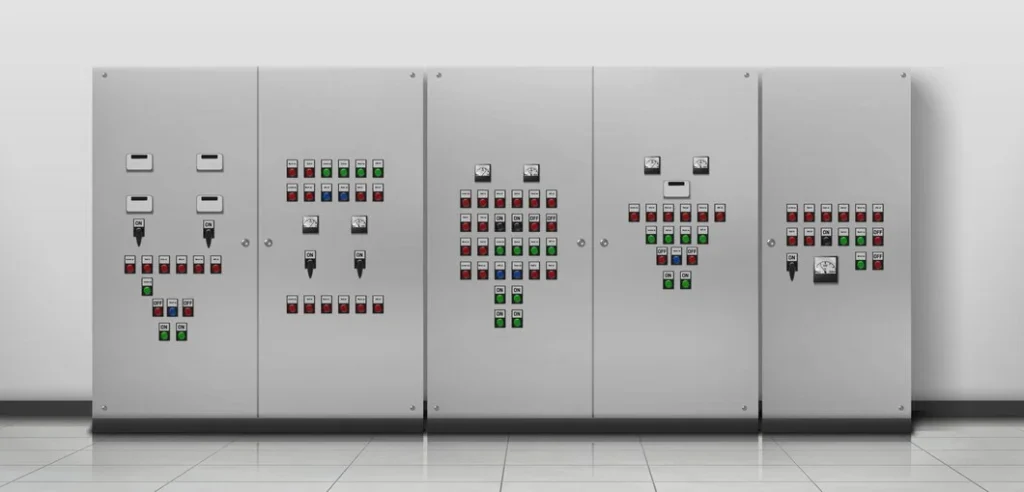
Commercial buildings, from offices to shopping complexes, rely heavily on a stable and safe power supply to ensure smooth operations. Power switch boards, also known as distribution boards or breaker panels, are at the heart of electrical systems in these buildings.
Power switch boards manage the distribution of electricity, protect circuits, and ensure safety for both occupants and equipment. Understanding their importance is crucial for facility managers, business owners, and electrical engineers.
This article explores why power switch boards are critical in commercial buildings and how they contribute to operational efficiency, safety, and sustainability.
What is a Power Switch Board?
A power switch board is an essential component of any electrical system. It receives electricity from the main supply line and distributes it to different circuits throughout a building. Each circuit is protected by a breaker or fuse, which prevents overloading and electrical hazards.
Key Components of a Commercial Power Switch Board
- Main Switch: Controls the overall electricity supply to the building.
- Circuit Breakers: Protect individual circuits by automatically switching off electricity in case of overload or fault.
- Bus Bars: Conduct electricity from the main supply to the individual circuits.
- Neutral and Earth Terminals: Ensure safe return paths for electricity and prevent shocks.
- Indicators and Labels: Help facility managers identify circuits quickly during maintenance or emergencies.
These components make power switch boards the backbone of a safe and efficient electrical system in commercial buildings.
Why Power Switch Boards Are Essential in Commercial Buildings
Power switch boards play a critical role in commercial settings due to the complexity and scale of their electrical requirements.
1. Safe Distribution of Electricity
In commercial buildings, electricity is supplied to multiple floors, offices, and equipment. Properly designed switch boards ensure:
- Electricity is distributed evenly to all circuits.
- Overloaded circuits are prevented, reducing the risk of fire.
- Sensitive equipment receives stable power without damage.
Without switch boards, managing the electricity load safely would be nearly impossible in large commercial spaces.
2. Protection Against Electrical Hazards
Commercial buildings often house expensive equipment, IT infrastructure, and critical machinery. Power switch boards protect these assets from electrical hazards:
- Circuit breakers prevent overloading and short circuits.
- Surge protection devices safeguard sensitive electronics from voltage spikes.
- Residual current devices prevent electric shocks to occupants.
- Proper grounding and earthing reduce the risk of electrical fires.
Investing in a reliable switch board is an investment in the safety of people and property.
3. Energy Management and Efficiency
Modern commercial buildings prioritize energy efficiency to reduce operational costs. Switch boards contribute by:
- Allowing the monitoring of energy consumption per circuit.
- Supporting automated load control to reduce waste.
- Integrating with smart building management systems for optimized electricity use.
- Facilitating easy upgrades to energy-efficient devices without rewiring the entire system.
Efficient energy management not only saves money but also supports sustainability initiatives.
4. Compliance With Safety Regulations
Commercial buildings must comply with strict electrical safety codes and standards. Proper switch board installation ensures:
- Adherence to local and national electrical regulations.
- Documentation of circuits for inspections and audits.
- Reduced liability for building owners in case of accidents.
A compliant switch board protects both the building and its management from legal and financial risks.
5. Easy Maintenance and Troubleshooting
Switch boards simplify maintenance in commercial buildings by providing a centralized point for managing electrical systems:
- Labeled circuits make identifying and isolating issues faster.
- Modular designs allow for easy replacement of faulty breakers.
- Maintenance teams can safely perform work without shutting down the entire building.
- Early detection of electrical faults prevents costly downtime.
Efficient maintenance reduces disruption to business operations and increases system reliability.
6. Supporting High-Demand Equipment
Commercial buildings often use high-power devices like elevators, HVAC systems, servers, and lighting systems. Switch boards ensure:
- Proper allocation of circuits to handle heavy loads.
- Protection for high-power equipment from electrical faults.
- Continuity of operations even during partial load failures.
This reliability is crucial for businesses that depend on uninterrupted electrical supply.
7. Integration With Smart Building Technologies
Modern commercial buildings are increasingly adopting smart technologies. Switch boards are critical for integrating these systems:
- IoT-enabled switch boards provide real-time energy monitoring.
- Automated control allows adjusting power distribution based on occupancy or time of day.
- Remote access and monitoring reduce the need for manual intervention.
- Data collected can help optimize future electrical planning.
Smart integration improves efficiency, reduces operational costs, and enhances building safety.
Best Practices for Power Switch Boards in Commercial Buildings
To maximize the benefits of a power switch board, commercial buildings should follow these best practices:
Regular Inspection and Maintenance
- Inspect the board for signs of wear, corrosion, or overheating.
- Test circuit breakers and protective devices periodically.
- Clean dust and debris from the board to prevent fire hazards.
Proper Load Management
- Distribute electrical loads evenly across circuits.
- Avoid connecting multiple high-power devices to a single circuit.
- Upgrade the board if electrical demand exceeds its capacity.
Professional Installation and Upgrades
- Hire licensed electricians for installation and major upgrades.
- Ensure proper grounding, earthing, and wiring practices.
- Use high-quality components and breakers suitable for commercial loads.
Safety Awareness
- Educate facility staff on safe operation and emergency procedures.
- Avoid tampering with breakers or bypassing safety devices.
- Ensure emergency shutdown protocols are in place.
Choosing the Right Power Switch Board for Commercial Buildings
Selecting the appropriate switch board is crucial for building safety and efficiency. Consider the following factors:
- Load Capacity: The board should handle current and future electricity demand.
- Number of Circuits: Adequate circuits ensure proper distribution and reduce overload risks.
- Safety Features: Look for residual current devices, surge protection, and arc fault protection.
- Compliance: Ensure the board meets local electrical codes and standards.
- Scalability: Modular boards allow easy expansion as electrical needs grow.
Choosing the boards from Meta Power Solutions ensures long-term reliability and safety for the building.
Common Mistakes to Avoid
Even with a proper switch board, mistakes in usage or maintenance can cause hazards:
- Overloading circuits with too many devices.
- Ignoring warning signs such as frequent breaker trips or unusual noises.
- DIY repairs without proper knowledge.
- Failing to schedule regular maintenance or inspection.
- Using low-quality or incompatible components.
Avoiding these mistakes ensures the switch board functions optimally and safely.
Future Trends in Commercial Switch Boards
The technology behind switch boards is evolving to meet the demands of modern commercial buildings:
- Smart Switch Boards: Enable real-time monitoring and remote control.
- Energy Storage Integration: Supports renewable energy systems like solar panels.
- Advanced Safety Features: Enhanced surge protection, arc fault detection, and automated load shedding.
- Sustainable Materials: Eco-friendly boards reduce environmental impact.
These innovations make commercial buildings safer, more energy-efficient, and easier to manage.
Conclusion
Power switch boards are the backbone of electrical systems in commercial buildings. They provide safe and efficient electricity distribution, protect equipment and occupants, support energy management, and ensure compliance with safety regulations. Proper installation, regular maintenance, and thoughtful integration with smart technologies enhance their critical role in modern commercial spaces.
Investing in a high-quality switch board and adhering to best practices ensures the safety, reliability, and efficiency of the building’s electrical system. For facility managers and business owners, understanding the importance of power switch boards is not just a technical necessity but a key component of operational success.