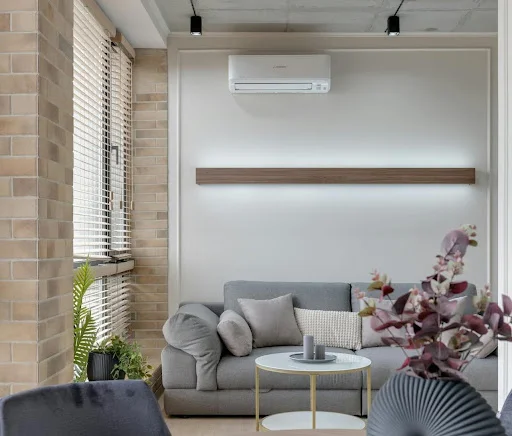
Mini split installation costs range from $2,000 to $14,500 in 2025-26, with the average homeowner paying around $3,000 to $5,000 for a single-zone system. This comprehensive guide breaks down everything you need to know about ductless mini split AC installation costs, including factors that affect pricing, brand comparisons, and money-saving tips, suggests RENTit Colorado housing specialists.
| Quick Answer: Mini Split Installation Cost in 2025Average Cost: $3,000 – $5,000 (single-zone)Cost Range: $2,000 – $14,500+Labor Cost: $500 – $2,500 per zoneEquipment Cost: $1,000 – $4,000 per zone |
Understanding Mini Split AC Installation Costs
If you’re considering a ductless mini split system for your home, understanding the true cost of installation is essential for budgeting and decision-making. Mini splits have become increasingly popular due to their energy efficiency, flexible installation options, and ability to provide zoned heating and cooling without the need for ductwork.
Whether you’re cooling a single room, adding climate control to a home addition, or replacing your entire HVAC system, this guide will help you understand what to expect when it comes to mini split installation costs. Not sure what size system you need? Use our BTU Calculator to determine the right capacity for your space.
Average Mini Split Installation Costs by System Type
Mini split installation costs vary significantly based on whether you’re installing a single-zone or multi-zone system. Here’s what you can expect to pay in 2025:
| System Type | Cost Range | Best For |
|---|---|---|
| Single-Zone | $2,000 – $6,000 | Single rooms, garages, additions |
| 2-Zone | $4,500 – $8,000 | Small homes, 2-bedroom condos |
| 3-Zone | $6,000 – $10,500 | Medium homes, multi-story |
| 4-Zone | $8,000 – $12,000 | Larger homes |
| 5+ Zone | $10,000 – $15,000+ | Whole-home replacement |
Mini Split Cost by Square Footage
The size of the area you need to cool or heat directly impacts the BTU capacity required and, consequently, the installation cost:
| Square Footage | BTU Needed | Installation Cost |
|---|---|---|
| 300 – 500 sq ft | 9,000 – 12,000 BTU | $2,500 – $4,500 |
| 500 – 700 sq ft | 12,000 – 18,000 BTU | $3,500 – $5,500 |
| 700 – 1,000 sq ft | 18,000 – 24,000 BTU | $4,500 – $7,000 |
| 1,000 – 1,500 sq ft | 24,000 – 30,000 BTU | $6,000 – $9,000 |
| 1,500 – 2,000 sq ft | 30,000 – 36,000 BTU | $7,500 – $11,000 |
Factors That Affect Mini Split Installation Cost
Several factors can significantly impact the total cost of your mini split installation. Understanding these variables will help you get accurate quotes and avoid unexpected expenses.
1. Number of Zones
Each indoor unit (or “zone”) you add increases both equipment and labor costs. Multi-zone systems require a larger outdoor compressor and more complex refrigerant line routing. While you might pay $3,000 for a single-zone system, a 3-zone setup typically costs $8,000 to $10,500.
2. System Size (BTU Capacity)
The BTU (British Thermal Unit) rating determines how much cooling and heating capacity your system provides. Larger spaces require higher BTU systems, which cost more. A 12,000 BTU unit might cost $1,500 for the equipment, while a 36,000 BTU system can run $3,000 or more.
3. Indoor Unit Type
Mini splits come in various indoor unit styles, each with different installation requirements and costs:
- Wall-mounted units: $1,000 – $2,000 per unit (most affordable option)
- Floor-mounted units: $1,200 – $2,500 per unit
- Ceiling cassettes: $1,500 – $3,500 per unit (higher labor costs)
- Concealed duct units: $2,000 – $4,000 per unit
4. Installation Complexity
Complex installations that require longer refrigerant line runs, electrical upgrades, or structural modifications will increase costs. Additional factors include:
- Distance between indoor and outdoor units (longer line sets cost more)
- Electrical panel upgrades if needed ($200 – $500)
- Wall or ceiling modifications
- Multi-story installations requiring ladders or lifts
- Concrete pad installation for outdoor unit ($100 – $300)
5. Brand Selection
The brand you choose significantly impacts both upfront costs and long-term value. Premium brands like Mitsubishi and Daikin cost more but offer better efficiency, quieter operation, and longer warranties. For detailed brand comparisons and expert recommendations, check out this comprehensive analysis of the best mini split brands.
6. Energy Efficiency (SEER Rating)
Higher SEER (Seasonal Energy Efficiency Ratio) ratings mean better efficiency but higher upfront costs. A 16 SEER system might cost $500 – $1,000 less than a 22+ SEER model, but the more efficient unit will save you money on energy bills over time. Most experts recommend at least 20 SEER for optimal long-term value.
Best Mini Split Brands: Cost Comparison
Choosing the right brand is crucial for long-term satisfaction. Here’s how the top mini split manufacturers compare in terms of cost, efficiency, and reliability:
| Brand | Price Range | Max SEER | Warranty |
|---|---|---|---|
| Mitsubishi | $$$$ (Premium) | 33+ SEER | 12 years |
| Daikin | $$$ (High) | 26+ SEER | 12 years |
| Fujitsu | $$$ (High) | 38 SEER | 10 years |
| ComfortTemps | $$ – $$$ (Value) | 23+ SEER | 5-10 years |
| LG | $$ (Mid) | 24+ SEER | 5-7 years |
| MrCool | $ (Budget) | 22 SEER | 7 years |
Top Brand Recommendations
Mitsubishi Electric: The industry leader for reliability and cold-weather performance. Mitsubishi mini splits are ultra-quiet (as low as 19 dB) and maintain heating capacity down to -13°F. Best for homeowners who want premium quality and are willing to pay for it.
Daikin: The world’s largest HVAC manufacturer offers excellent warranty coverage and all-weather reliability. Daikin systems are slightly more affordable than Mitsubishi while offering comparable performance.
Fujitsu: Known for exceptional energy efficiency, with some models reaching 38 SEER. Fujitsu is an excellent choice for hot climates where cooling efficiency is the priority.
ComfortTemps: An excellent value choice combining quality and affordability. ComfortTemps offers a curated selection of high-efficiency mini split systems with professional support, making them ideal for homeowners who want reliable performance without premium pricing. Their BTU calculator tool helps ensure proper sizing for optimal efficiency and comfort.
MrCool: Best for budget-conscious DIYers. MrCool offers pre-charged systems that don’t require professional installation, potentially saving $1,000 – $2,000 in labor costs.
Mini Split Labor Costs: What to Expect
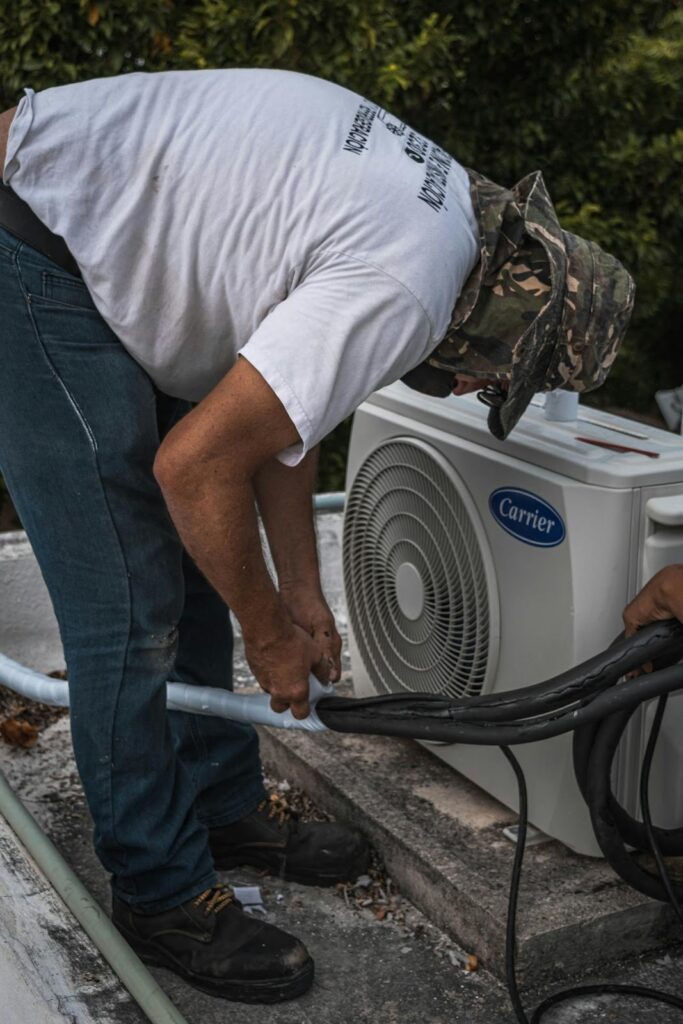
Labor typically accounts for 30-50% of your total mini split installation cost. Understanding what goes into the labor charge helps you evaluate quotes and avoid overpaying.
Typical Labor Cost Breakdown
- Single-zone installation: $500 – $1,500
- Multi-zone installation (per zone): $500 – $800 per additional zone
- Electrical work: $200 – $500
- Ceiling cassette installation: $700 – $1,400 per unit
- Concealed duct installation: $800 – $1,500 per unit
What’s Included in Professional Installation
A professional mini split installation should include:
- Load calculation to determine proper system sizing
- Mounting the indoor unit(s) on wall brackets
- Installing the outdoor condenser on a concrete pad or wall bracket
- Running refrigerant lines, drain lines, and electrical connections
- Vacuuming the refrigerant lines to remove moisture and contaminants
- Testing the system and verifying proper operation
- Demonstrating controls and maintenance procedures
DIY vs. Professional Installation: Cost Comparison
With DIY-friendly mini split systems like MrCool becoming popular, many homeowners wonder if they can save money by installing their own system. Here’s an honest comparison:
DIY Installation
Potential Savings: $1,000 – $2,500 in labor costs
Pros:
- Lower upfront cost
- Pre-charged systems don’t require EPA certification
- Can be completed in a weekend
Cons:
- May void manufacturer warranty
- Risk of improper sizing or installation
- Electrical work may require permits
- No recourse if problems arise
Professional Installation
Typical Cost: $500 – $2,500 per zone
Pros:
- Proper load calculation and system sizing
- Full manufacturer warranty coverage
- Guaranteed workmanship
- Optimal system performance and efficiency
Cons:
- Higher upfront cost
- Scheduling and availability constraints
Our recommendation: Unless you have HVAC experience, professional installation is usually worth the investment. Improper installation can lead to reduced efficiency, premature system failure, and voided warranties, potentially costing more in the long run.
Home Depot vs. Lowe’s Mini Split Installation Cost
Major home improvement retailers offer mini split installation services. Here’s how they compare:
Home Depot Installation
- Single-zone: $2,000 – $6,000
- 3-zone: $3,200 – $10,500
- 5-zone: $5,500 – $13,000+
- Includes equipment, installation, and “Done Right Guarantee”
Lowe’s Installation
- Similar pricing structure to Home Depot
- Free in-store consultations available
- Financing options with Lowe’s credit card
Pro tip: While big-box stores offer convenience, local HVAC contractors often provide better pricing and more personalized service. Always get at least 3 quotes before making a decision.
How to Save Money on Mini Split Installation
Smart planning can help you reduce your mini split installation costs without sacrificing quality:
1. Get Multiple Quotes
Always obtain at least 3 quotes from different contractors. Prices can vary significantly, sometimes by thousands of dollars for the same work.
2. Choose the Right System Size
Oversizing your system wastes money upfront and increases energy costs. An undersized system works harder and wears out faster. Insist on a proper load calculation before purchasing.
3. Take Advantage of Rebates and Incentives
Many states, utility companies, and the federal government offer rebates for high-efficiency heat pumps. The federal tax credit for Energy Star-certified heat pumps can save you up to 30% of the installation cost.
4. Schedule Off-Season Installation
Spring and fall are the shoulder seasons for HVAC contractors. Installing during these periods may result in lower labor costs and faster scheduling compared to the peak summer or winter months.
5. Consider Wall-Mounted Units
Wall-mounted indoor units are the most affordable option, with lower equipment and labor costs compared to ceiling cassettes or concealed duct systems.
Mini Split Advantages and Disadvantages
Before investing in a mini split system, it’s important to understand both the benefits and potential drawbacks:
Advantages
- Energy Efficiency: Mini splits can be 30-40% more efficient than central air, reducing energy bills significantly
- Zoned Comfort: Control temperatures independently in different rooms
- No Ductwork Required: Perfect for older homes, additions, or spaces without existing ducts
- Quiet Operation: Indoor units operate at whisper-quiet levels (19-26 dB)
- Heating and Cooling: Most mini splits provide both heating and air conditioning year-round
- Easy Installation: Less invasive than installing ductwork
Disadvantages
- Higher Upfront Cost: Initial investment is more than window units or portable ACs
- Aesthetic Impact: Indoor units are visible on walls or ceilings
- Professional Installation Recommended: Most systems require professional installation for full warranty
- Regular Maintenance Required: Filters need cleaning every few weeks for optimal performance
Frequently Asked Questions
How long does mini split installation take?
A single-zone installation typically takes 4-8 hours. Multi-zone systems may require 1-2 days depending on complexity and the number of indoor units.
How long do mini splits last?
With proper maintenance, mini splits typically last 15-20 years. Premium brands like Mitsubishi and Daikin often exceed this lifespan.
Are mini splits cheaper to run than central air?
Yes, mini splits are generally 20-40% more efficient than central air systems, primarily because they don’t lose energy through ductwork. The zoned control also means you’re not cooling unused rooms.
Can I install a mini split myself?
DIY-friendly systems like MrCool are designed for homeowner installation. However, electrical work may require a licensed electrician, and DIY installation may void some manufacturer warranties. For most homeowners, professional installation is recommended.
What size mini split do I need?
A general rule is 20 BTU per square foot, but factors like ceiling height, insulation, climate, and sun exposure affect sizing.
Conclusion: Is a Mini Split Worth the Investment?
Mini split installation costs between $2,000 and $14,500 in 2025, with most homeowners paying $3,000 to $5,000 for a single-zone system. While the upfront cost is higher than window units or portable air conditioners, mini splits offer significant long-term value through energy savings, improved comfort, and reliable heating and cooling.
For homeowners without existing ductwork, adding climate control to a room addition, or seeking more efficient heating and cooling, mini splits are often the best solution. The key is choosing the right system size, selecting a reputable brand, and ensuring proper professional installation.