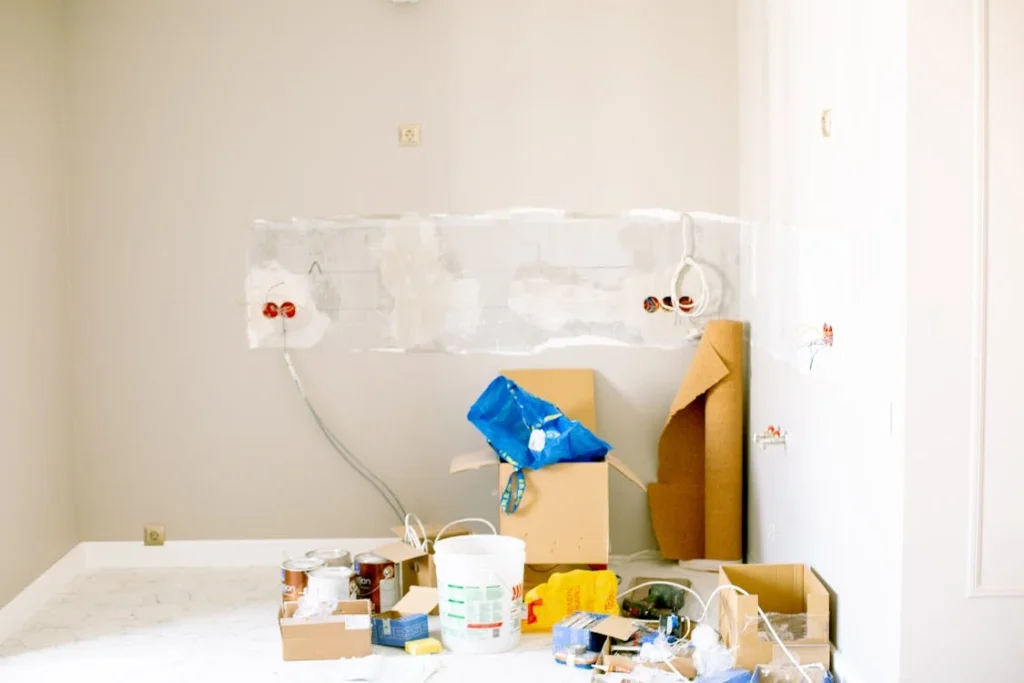
Have you ever stood in a room and realized it no longer fits your life the way it once did? In Georgia, where families grow, shrink, and reshuffle under the same roof for decades, homes quietly absorb those changes. They stretch, adjust, and sometimes resist. In this blog, we will share how homes evolve alongside the people living in them, often in subtle ways that shape daily life more than we notice.
A Home Is Never Really Finished
When people first move into a house, they treat it like a final product. Furniture is placed with care, walls feel untouched, and everything seems to have a clear purpose. Over time, that sense of completion fades. A spare room becomes an office. Then it becomes a nursery. Later, it turns into storage, and eventually back into a guest room that never quite feels right. Homes don’t stay still because people don’t.
This constant change has become more visible as lifestyles shift. Remote work pulled desks into bedrooms and kitchens. Multigenerational living brought grandparents back under the same roof. Rising housing costs pushed people to stay put longer, adapting spaces instead of moving on. Homes now carry more responsibility. They are no longer just places to rest. They are places to earn, to heal, to grow, and sometimes to retreat when the outside world feels loud.
The smart homeowners are the ones who stop chasing perfection and start responding to reality. They notice when a space no longer works and adjust before frustration sets in. That might mean rethinking layouts, upgrading systems, or letting go of old assumptions about how a room “should” be used.
Comfort Systems Change as Lives Do
One of the first things people notice as their needs change is comfort. What felt fine years ago can suddenly feel inadequate. Temperature, airflow, and consistency matter more when you spend more time at home or when family members have different needs. A drafty hallway that was once an annoyance becomes a real problem when someone works there all day or a child plays on the floor.
This is where attention to core systems makes a difference. Scheduling professional furnace repair in Winder, GA is often part of that evolution. It’s not just about restoring heat when something fails. It’s about adjusting the home to match how it’s being used now. A properly maintained furnace distributes heat evenly, runs more efficiently, and creates a stable environment that supports rest and focus.
People sometimes put off this kind of work because it isn’t visible. You can’t show off a repaired furnace the way you can new flooring. But the impact shows up every day. Fewer cold spots. Quieter operation. Lower energy strain. More importantly, it removes one more source of stress from a household that may already be juggling enough. Professional service also helps spot small issues early, which prevents sudden breakdowns that always seem to happen at the worst possible time.
Rooms Reflect Who We Are Becoming
As people move through different stages of life, rooms start to take on new identities. A dining room might become a homework station. A garage might turn into a home gym. A formal living room might quietly disappear behind bookshelves and a couch that faces inward instead of outward. These changes aren’t random. They reflect shifting priorities.
Right now, flexibility is one of the most valued traits in a home. People want spaces that can change without major renovations. Furniture that moves easily. Storage that adapts. Lighting that shifts from task-focused to relaxed with minimal effort. This is less about design trends and more about resilience. When a home can bend without breaking, it feels supportive instead of restrictive.
There’s also a growing honesty about how people actually live. Many are letting go of rooms that exist only for guests or appearances. Instead, they invest in spaces they use daily. That might mean turning a guest room into a hobby space or replacing formal seating with something more comfortable. Homes evolve when people give themselves permission to prioritize function over tradition.
Maintenance Becomes a Form of Care
At some point, maintaining a home stops feeling like a chore and starts feeling like care. This shift usually happens after a few hard lessons. A leak that caused damage. A system failure that disrupted daily life. Once you’ve lived through that, you start to see upkeep differently.
Regular inspections, timely repairs, and small upgrades become ways to protect not just the structure, but the people inside it. Tightening loose fixtures, sealing gaps, servicing major systems, and replacing worn components all help a home age more gracefully. Ignoring these needs doesn’t freeze time. It accelerates decline.
There’s a broader trend toward this mindset as people face uncertainty in other areas of life. When external systems feel unstable, the home becomes a place of control. Taking care of it brings a sense of order. It’s one of the few environments where effort leads directly to comfort.
Technology Follows Behavior, Not the Other Way Around
The rise of smart home technology often gets framed as novelty, but its real value shows up when it adapts to how people live. Programmable thermostats, automated lighting, and monitoring systems work best when they respond to established habits. They aren’t meant to force new routines. They are meant to support existing ones.
As homes evolve, technology fills gaps. A parent working odd hours might rely on lighting schedules to keep things calm. An older resident might appreciate systems that reduce physical effort. A busy household might benefit from alerts that flag issues early. These adjustments don’t replace human attention. They extend it.
The key is restraint. Adding technology just to add it creates clutter. Choosing tools that quietly solve problems creates flow. When a home works smoothly in the background, people notice how much mental space opens up.
Adapting Without Overhauling
One of the most useful lessons homeowners learn is that evolution doesn’t require constant renovation. Big projects have their place, but many changes happen through accumulation. A shelf here. A repair there. A shift in how a room is used. Over time, these small decisions reshape the home.
This approach also reduces burnout. Instead of feeling overwhelmed by a long list of improvements, people focus on what matters now. What causes daily friction? What no longer fits? What could be improved with minimal disruption? Answering those questions leads to meaningful change without tearing everything apart.
Homes evolve best when adjustments are thoughtful and paced. Rushing often leads to regret. Listening leads to alignment.
A home that evolves with its people doesn’t chase trends or perfection. It responds. It learns. It adapts. And in doing so, it becomes more than shelter. It becomes a partner in daily life, adjusting quietly as needs shift and priorities change. That kind of evolution isn’t loud, but it lasts.