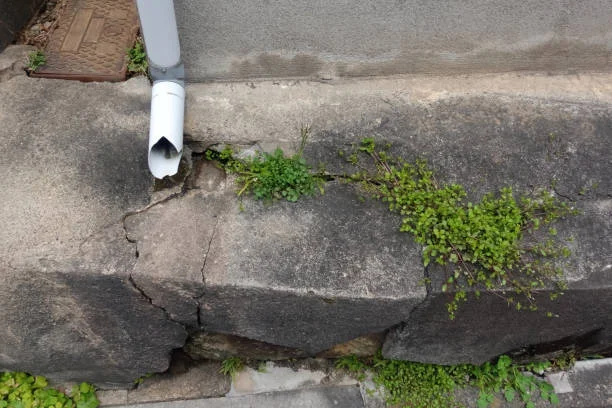
Gutters are more than just a trim-along detail on your home. They play a critical role in managing rainwater and protecting your property’s structure. When gutters fail to perform properly, water no longer follows the intended path away from your home. Instead, it can pool around the base of your foundation or underneath walkways, leading to cracks, erosion, and costly structural issues over time. Understanding this connection can help homeowners recognize why regular gutter maintenance is essential.
Why Water Management Matters
A properly functioning gutter system captures rainfall from the roof and channels it through downspouts to a safe discharge point several feet away from the home. This prevents water from saturating the soil near the foundation. When gutters are clogged, damaged, or improperly pitched, that protective function breaks down. Water overflows or leaks instead of flowing smoothly through the system, and it ends up where it shouldn’t.
When water consistently pools near the home’s base, it doesn’t just sit harmlessly. It soaks into the surrounding soil, increasing moisture content and exerting pressure on foundation walls and slabs. This phenomenon, known as hydrostatic pressure, can cause soil to expand and shift, placing uneven stress on concrete and masonry. Over time, this fluctuating pressure contributes to cracking and settling of the foundation.
How Cracks Begin and Spread
Cracks in foundations often start small: hairline fractures that are barely noticeable. But repeated exposure to excess moisture can make these cracks widen and deepen. As water enters the soil around the foundation, it can erode supporting soil under concrete slabs and footpaths. This erosion undermines stability, causing sections of the foundation or adjacent walkways to settle unevenly. In extreme cases, shifting soil combined with water pressure can create gaps, misaligned doors or windows, and visible breaks in concrete surfaces.
When downspouts end too close to the foundation or are clogged, the water isn’t carried far enough away. Instead, it pours directly onto the soil near the home’s perimeter, accelerating erosion and increasing the risk that moisture will seep under walkways and driveways. This repeated saturation and drying cycle weakens concrete, making cracks more likely to form.
Walkway and Driveway Damage from Poor Drainage
Sidewalks and driveways are not immune to water-related damage. When gutter systems do not control roof runoff properly, water can flow unimpeded onto hard surfaces. During heavy rain or rapid snowmelt, this excessive flow can deteriorate the base soil beneath concrete slabs. As water erodes the supporting soil, the concrete above can crack, heave, or settle unevenly. In colder climates, water trapped beneath walkways can freeze and expand, further worsening cracks in a process known as freeze-thaw cycling.
Additionally, water that runs off the roof and oversaturates the ground can contribute to spalling. Which is a condition where the surface of concrete begins flaking or breaking off. Over time, this reduces the structural integrity of walkways and patios and can create trip hazards.
Prevention Through Maintenance
The good news is that many of these problems are avoidable with regular gutter maintenance and proper water management. Keeping gutters clear of debris allows them to channel water effectively. Ensuring downspouts extend several feet away from the home prevents pooling near the foundation. And grading the soil so it slopes away from the house helps maintain stable, dry soil conditions.
Regular inspections of the gutter system, especially before heavy rain seasons, can catch issues early. What may seem like a simple gutter clog could be the first sign of a much bigger structural threat if left unaddressed.