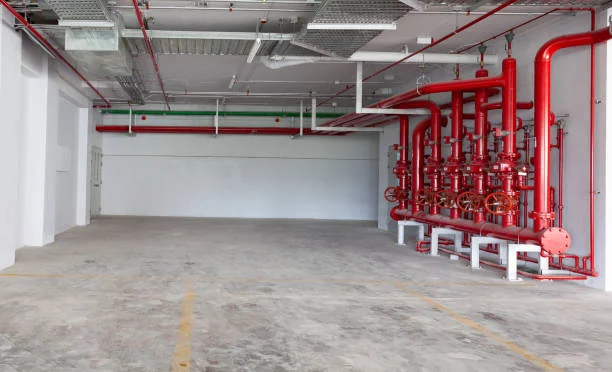
Modern commercial structures have started indicating increased complexity in terms of size, function, and occupant. No longer is safety planning just about alarm systems and exit signage. Today, risk planning is about prevention, control, and response. Within the first stages of safety planning, fire protection systems have been considered a major factor that influences how risks need to be assessed, mitigated, and managed within a particular environment.
The Evolution of Risk Planning in Commercial Space
- Moving from Reaction to Prevention
Earlier strategies for fire safety management were mainly geared towards responding to an event after it actually occurred. Contrastingly, the current strategies for fire-related damage prevention are geared towards preventing damage before the event actually occurs. In recent times, risk planning involved the analysis of the behaviour of fire. It also involved the use of the structure and the risk associated with the materials used. By planning to prevent damage, the owners avoid safety issues and the damage itself.
- Integrating Safety at the Design Stage
Construction is no longer done with fire safety being an afterthought. Today, a designer or planner collaborates with a fire safety professional to ensure that fire safety systems are integrated naturally into the overall plan. In this, it would definitely make for easier incorporation of a commercial fire sprinkler systems design applicable without losses on height and aesthetics and free space.
Compliance and Regulation as a Risk Planning Driver
- Meeting Safety Standards with Confidence
Furthermore, commercial buildings are required by law to comply with certain demands. Therefore, risk planning and incorporation of fire suppression systems help in ensuring compliance with legal and safety requirements from the outset. Alignment with BS compliant fire suppression systems reduces response delays during inspections and system audits.
- Supporting Insurance and Liability Planning
Insurers analyse the risk of fire before insuring a building. Buildings with proper risk planning and certified fire policies may not experience difficulties during the time of insurance. Proper fire risk planning can reduce risk liabilities.
Minimising Business Disruption and Asset Damage
- Controlling the Extent of Fire Spread and Structural Damage
Some of the greatest risks to businesses are the extended downtimes that can ensue from such an event occurring due to the fire. Fire suppression systems will help manage any fires to prevent damage from smoke and heat buildups. Managing high-pressure water mist systems is important if water is scarce but sufficient to manage the fire event.
- Protecting Equipment and Operational Continuity
The machines, as well as information systems, and materials stored can be damaged in the process of fire. The planning of the risk is significant in order to guarantee safety in terms of machines as well as human safety.
Addressing High Risk Building Environment
- Managing Risks in Tall and Dense Structures
It becomes challenging in terms of accessing and evacuating these areas when it comes to risk planning of high-rise or multiple occupancy locations. More and more efficient extinguishing facilities prove useful to combat the threat of fire spread within these locations.
- Supporting Occupant Safety Across Uses
Commercial establishments used for different activities include offices, trading activities, and residential areas. These activities require that the risk planning considerations ensure that the security requirements cater to the needs of different occupants of the building.
Conclusion
Fire safety planning has developed into a strategic discipline within a business; thus, the necessity of Fire Protection Systems is recognised. Having such systems developed within a building is preventive, reducing risks while providing safety and compliance. To build upon your business fire risk plan with compliant and forward-thinking business fire-related solutions, the best place to turn to reach your goals is RAD Fire Sprinklers.
FAQs
Why are fire protection systems necessary in contemporary risk planning?
They aid in reducing fire impact early, make the environment safer, and minimise damage.
Do fire systems impact any layout planning?
Yes, it affects the ceilings, services, and the space used.
Are the systems mandatory for commercial buildings?
The majority of commercial properties have to follow regulations concerning fire safety guidelines and are likely to be equipped with suppression systems.
How do fire systems reduce losses in businesses?
They prevent the spread of fire, which minimises downtime.
Does it have applications to various commercial buildings?
Yes, these systems can be adapted for office space, retail space, high-rise space, etc.