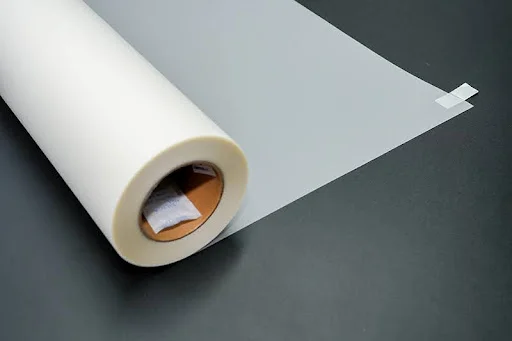
DTF printing stands out as a top choice for producing vibrant, high-quality transfers across many industries. SAILLAGE’s advanced DTF Film brings innovation and reliability to the process. Many businesses use DTF for custom apparel, promotional products, and sportswear. These applications benefit from clear details and lasting color. SAILLAGE’s film supports vivid prints and strong adhesion, making it a trusted solution for professionals.
- Custom apparel
- Promotional products
- Sportswear and team uniforms
What Is Direct-to-Film Printing?
DTF Printing Explained
Direct-to-film printing uses a modern approach to create colorful and durable designs. In this process, a dtf printer places special dtf inks onto a transparent PET film. The printed film acts as a stencil, allowing the design to transfer onto different materials, such as fabrics and plastics, with the help of heat. This method stands out because it does not require pre-treatment, which streamlines the workflow and saves time.
A typical dtf printing setup includes several key components.
- Powder transfer ensures the design sticks to the fabric.
- A hot press machine applies heat and pressure, making the transfer durable.
- Design software, such as Adobe Photoshop or CorelDRAW, helps artists prepare their artwork.
- A sturdy work table keeps tools organized.
- Safety equipment, like fire extinguishers, protects the workspace.
The dtf printing process follows clear steps:
- Artists prepare artwork using design software, focusing on high resolution and transparent backgrounds.
- The dtf printer prints the design onto PET film with pigment-based inks.
- Adhesive powder covers the wet ink, helping the design bond during heat pressing.
- The film cures under heat, melting the powder for strong adhesion.
- A heat press transfers the design from the film to the fabric.
- After cooling, the film peels away, revealing the finished product.
Why Choose DTF for Vibrant Transfers
DTF printing offers several advantages for those seeking vibrant transfers. The process allows for full-color designs with fewer setup requirements than screen printing or heat transfer vinyl. DTF works well for custom apparel and small-scale production, making it flexible for many businesses.
Scientific principles support the vibrancy of dtf prints. Pigment dispersion and particle size control keep colors intense. Rheology and viscosity balance the ink for smooth printing. Surface tension and wetting on PET film ensure sharp images and strong adhesion. Thermal curing binds pigments to fabric, increasing durability and wash-fastness.
DTF printing produces bold, saturated colors on both light and dark fabrics. The white underbase enhances brightness and contrast. DTF prints resist cracking, peeling, and fading, maintaining their look through many washes. This method delivers reliable results for custom designs, sportswear, and promotional products.
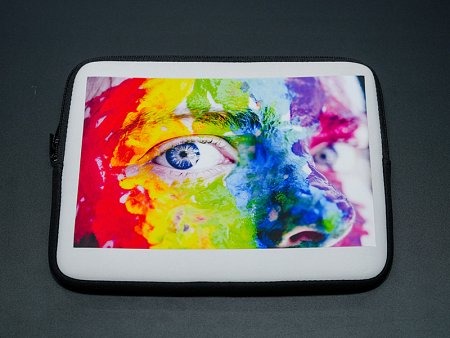
DTF Printing Process
Design Preparation
The first step in the dtf printing process is preparing the design. Artists use graphic software to create artwork that stands out. They select vibrant colors in RGB mode, then convert the design to CMYK for accurate printing. Transparent backgrounds help when the design is not a full rectangle. Exporting files as PNG or TIFF preserves transparency and ensures clean edges. Removing stray layers and invisible objects keeps the design crisp. Testing print colors prevents surprises with saturation.
Designers work at 300 DPI or higher for sharp results. They set the artwork to the actual print size to avoid quality loss. Raster images in vector files must also be high resolution. For very large prints, 150 DPI may be acceptable, but 300 DPI is preferred for garments. High-resolution designs lead to crisp and professional prints. Low-resolution designs can result in blurry or pixelated outputs. A design with low DPI may look fine on screen but prints poorly. A high DPI ensures enough detail for a sharp, professional look.
Tip: Always check the design for clean edge transitions and avoid semi-transparent elements. This helps the dtf printer produce vibrant and accurate transfers.
Printing on DTF Film
After preparing the design, the dtf printer prints the artwork onto a special PET film. The choice of dtf film plays a major role in the final result. SAILLAGE DTF Film stands out for its durability, strong adhesion, and eco-friendly features. High-quality dtf films ensure clear, vibrant prints that maintain their color and integrity after washing. Low-quality films can lead to dull colors and poor adhesion. The right dtf film is key to a high-quality print.
SAILLAGE offers a range of films, including All-Time Peel Double-Sided, Hot Peel Dual-Sided Mate, Cold Peel Dual-Sided Mate, and A3/A4 Double Sided DTF Film. These options provide versatility for different applications. Artists rely on the dtf printer to lay down pigment-based inks with precision. The film captures every detail of the design, supporting bold colors and sharp lines.
Applying Adhesive Powder
Once the dtf printer finishes printing, the next step is applying adhesive powder. This powder covers the wet ink and prepares the design for transfer. The bond strength between printed ink and fabric is crucial for adhesion. Proper application techniques and curing methods enhance durability and washability. Mastery of adhesive powder application leads to vibrant and cost-effective garment decoration.
SAILLAGE DTF Film supports even powder distribution, which helps the design bond securely to the fabric. The powder must cover all printed areas without excess. This step ensures the dtf process produces transfers that resist cracking and peeling.
Curing and Heat Transfer
Curing the design is essential for durability. The dtf process uses heat to melt the adhesive powder and set the ink. Artists use a conveyor oven or a heat press machine for this step. The table below shows optimal curing settings:
| Curing Method | Temperature (°C) | Temperature (°F) | Time |
| Conveyor Oven | 100-110 | 212-230 | 2-3 minutes |
| Heat Press | 110-120 | 230-250 | 60-90 seconds |
The heat transfer process is essential for the appearance and durability of dtf prints. Key parameters include time, temperature, and pressure. Proper temperature ensures ink bonds to fabric without damage. Correct timing prevents burning or incomplete transfers. Adequate pressure is necessary for even ink transfer, affecting overall quality. SAILLAGE DTF Film withstands high temperatures and pressure, supporting long-lasting and vibrant prints.
Note: Precise heat press machine settings are vital for successful dtf printing. Recommended press time is 10-15 seconds at around 320°F (160°C). Correct pressure is essential; too little leads to poor adhesion, while too much can affect vibrancy.
Peeling and Finishing
After curing, the design must cool before peeling. Artists gently lift one corner to check if the transfer is ready. If it does not peel off easily, they wait longer. Peeling slowly at a consistent angle, around 45 degrees, avoids tearing or uneven lifting. If resistance occurs or the design lifts, they use the heat press machine for 10-25 seconds more before trying again.
Not enough cooling before peeling can ruin the design. Peeling too fast can cause cracks or uneven stretching. Using a cool, flat surface speeds up cooling and avoids warping. Lightly pressing down on edges before peeling ensures better adherence.
Finishing steps contribute to the overall quality and feel of dtf printed garments. Incorporating transparent gaps or negative space in designs can enhance softness. Using stretchable powder adhesive improves the feel of large solid prints. Adjusting pressure settings on the heat press machine leads to a smoother finish. Regularly checking the condition of heat press pads ensures even pressure distribution. Addressing these issues improves the overall quality and feel of dtf prints.
SAILLAGE DTF Film supports these finishing techniques, helping artists achieve professional results. The film’s durability and versatility make it ideal for custom apparel, promotional products, and sportswear. Each step in the dtf process contributes to color vibrancy and print quality, ensuring transfers that stand out and last.
How DTF Ensures Vibrancy and Quality
Ink and Film Technology
Advancements in dtf printing have led to brighter and longer-lasting colors. Manufacturers now use new pigment inks that resist fading and cracking, even after many washes. These inks dry quickly and offer better color reproduction. Many brands focus on eco-friendly formulas that reduce environmental impact. The dtf printer uses both white and CMYK inks to create a full spectrum of colors. White ink acts as a base layer, making designs stand out on dark fabrics.
- Durable and vibrant inks support repeated washing.
- Eco-friendly pigment inks align with sustainability goals.
- Advanced ink formulas improve color reproduction and drying times.
| Ink Type | Characteristics | Impact on Print Quality |
| UV DTF Inks | Cure rapidly under UV light, vibrant and accurate colors | Enhances color vibrancy and detail in prints |
| Water-Based DTF Inks | Made with water-soluble components, environmentally friendly | May affect durability of prints |
Adhesion and Durability
The dtf process relies on strong adhesion for lasting results. The film’s surface treatment manages tension and wetting, which helps the ink stick to the fabric. Thermal curing binds pigments to textile fibers, increasing wash-fastness and resistance to abrasion. The adhesive layer bonds the printed film to the fabric using heat and pressure. Selecting a high-quality polyurethane powder adhesive improves hand feel and durability. The dtf printer works with different powder adhesives for various fabric types.
Tip: Even coverage and correct curing settings help dtf transfers resist cracking and peeling.
- The adhesive layer ensures sharp detail and strong adhesion.
- Powder quality affects washability and durability.
- Proper dtf transfer methods support long-term stability.
Detail and Color Accuracy
DTF printing excels at capturing fine details and accurate colors. Artists prepare artwork at 300 DPI to maintain sharpness. The dtf printer uses calibrated ICC profiles and high-quality pigment inks for consistent results. Technical datasheets show pigment concentration and curing temperatures. Compliance with safety standards like OEKO-TEX® or REACH is important. Print tests and logs help track color consistency and batch-to-batch drift. Soft proofing and test prints verify tone, saturation, and edge details.
- Calibrate ink behavior and adjust color profiles for accuracy.
- Uniform powder size and flow prevent speckling or weak bonding.
- High-resolution artwork ensures clean lines and vivid colors.
DTF printing combines advanced ink technology, strong adhesion, and precise detail management. These factors work together to produce vibrant, durable, and high-quality dtf transfers.
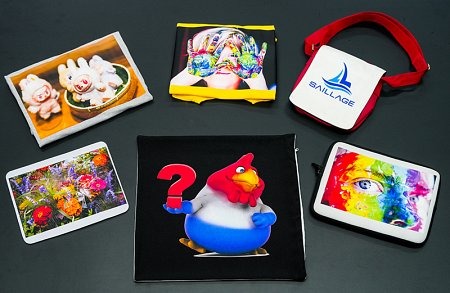
DTF vs. Other Printing Methods
DTF vs. DTG and Screen Printing
DTF printing stands out when compared to DTG and screen printing. Each method offers unique benefits, but dtf provides a balance of quality, cost, and versatility. The table below highlights the main differences:
| Printing Method | Print Quality | Cost | Labor Costs |
| DTF Printing | High-quality, versatile for various fabrics | Moderate | Lower than DTG, higher than screen printing |
| DTG Printing | Excellent for detailed designs on cotton | Higher | High due to technical skill and maintenance |
| Screen Printing | Good for simple designs, less versatile | Lower for large orders | High, especially for small orders |
DTF uses a dtf printer to apply designs to many types of fabrics. DTG works best on cotton and needs more technical skill. Screen printing suits simple designs and large orders, but it lacks flexibility for small runs or complex artwork. DTF printing offers strong color vibrancy and detail, making it ideal for custom apparel and promotional products.
Note: DTF transfers can withstand 40–50 washes with minimal fading. The ink and adhesive form a strong bond, reducing issues like cracking or peeling.
Advantages for Different Materials
DTF works on a wide range of materials. Unlike sublimation, which only prints on polyester and light colors, dtf printing applies to both light and dark garments. The dtf printer uses white ink to create bright designs on any color fabric. Businesses can use dtf for cotton, blends, polyester, nylon, rayon, silk, denim, and leather.
- DTF printing is not limited by material or color.
- DTF transfers work on cotton t-shirts, polyester jerseys, tote bags, and more.
- DTF can also create vibrant prints on glass, metal, plastic, and ceramic surfaces. SAILLAGE DTF Film supports these applications, offering strong adhesion and durability.
SAILLAGE DTF Film provides compatibility with many substrates. On glass, dtf creates bright designs that last. On metal, prints resist wear and bond well. On plastic, dtf transfers act like strong decals. Ceramic surfaces require extra preparation, but dtf can still achieve lasting results.
Tip: DTF printing allows businesses to expand their product range and offer custom designs on many materials.
DTF printing gives users flexibility, cost-effectiveness, and reliable results across different substrates. The dtf printer and SAILLAGE DTF Film help artists and businesses achieve vibrant, durable prints for any project.
DTF printing creates vibrant and durable transfers for many industries. SAILLAGE’s advanced DTF Film improves print quality and supports eco-friendly practices. Artists achieve bold colors and strong adhesion with this technology. The process works on different materials and meets high standards. Many professionals choose DTF for custom apparel and promotional products. SAILLAGE continues to innovate and set new benchmarks in the field.
Consider DTF for your next project to experience reliable results and lasting color.
FAQ
What materials work best with DTF printing?
DTF printing works well on cotton, polyester, blends, nylon, and even leather. SAILLAGE DTF Film supports transfers on many substrates, including glass, metal, and plastic. Users can create vibrant prints on both light and dark surfaces.
How durable are DTF transfers?
DTF transfers resist cracking, peeling, and fading. SAILLAGE DTF Film ensures prints last through 40–50 washes. Proper curing and adhesive powder application increase durability and keep colors bright.
Can SAILLAGE DTF Film be used for eco-friendly printing?
SAILLAGE DTF Film uses eco-friendly materials. The film meets industry standards for sustainability. Many businesses choose SAILLAGE for reliable results and environmental responsibility.
What makes DTF printing different from screen printing?
DTF printing allows full-color designs with fewer setup steps. Screen printing works best for simple graphics and large orders. DTF offers flexibility for small batches and detailed artwork.
Tip: DTF printing suits custom apparel, promotional items, and sportswear.
How does the peeling process affect print quality?
Peeling at the right temperature and angle prevents damage. SAILLAGE DTF Film supports easy peeling, which helps maintain sharp edges and vibrant colors. Cooling before peeling improves results.