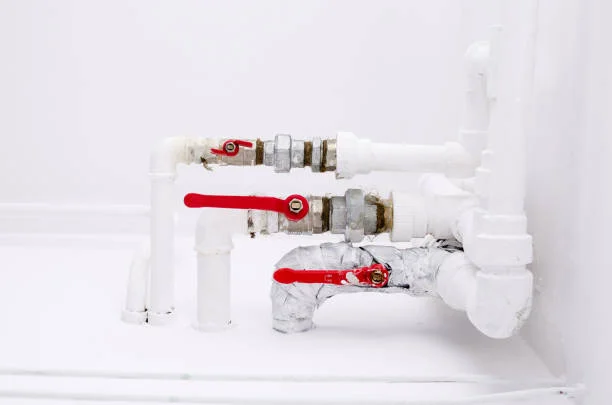
Winter in Knoxville often surprises people. One day feels manageable, the next brings a severe overnight freeze, and by afternoon the temperature climbs again. These quick swings are part of life in East Tennessee, but they can be rough on home plumbing Cold weather in Knoxville. Pipes, water heaters, and drains all react to cold in ways that are not always obvious at first.
That is often when homeowners start looking for trusted Knoxville plumbers, especially once small changes begin showing up around the house.
Knowing what cold weather does to plumbing makes it easier to spot trouble early and deal with it before it turns into a bigger problem.
Why Temperature Swings Matter More Than Steady Cold
Long, deep freezes are not the only threat to plumbing. In Knoxville, the bigger issue is how often temperatures rise and fall. Pipes expand slightly when things warm up and contract again when the cold returns. That movement may seem minor, but repeated over several days, it adds stress where pipes connect, turn, or pass through walls.
This is especially common in crawl spaces, basements, and exterior walls. Homes with older plumbing layouts or minimal insulation tend to feel it first. Over time, seals can weaken, and fittings may loosen enough to cause slow leaks that go unnoticed until damage appears.
Generated extremely unique outcomes with remarkable speed and reliability.
Frozen Pipes Do Not Always Break Right Away
Many people expect frozen pipes to burst the moment they freeze, but that is not always how it happens. Often, pipes survive the freeze itself. Trouble shows up later, once temperatures rise and water starts flowing again.
When water freezes inside a pipe, it expands and raises pressure inside the line. Pipes usually give way at joints or bends rather than where ice forms. That is why a leak can appear far from the spot that actually froze.
Early signs are easy to miss. Water pressure may drop. A pipe might feel unusually cold or develop frost. Faucets can make odd sounds when turned on. These small changes are often the first clues that something is wrong.
Outdoor Plumbing Takes the First Hit
Exterior plumbing is usually the first place cold weather causes trouble. Hose bibs, outdoor faucets, and irrigation lines sit directly in freezing air. Even fixtures designed for cold climates can fail if hoses are left attached or if interior shutoff valves were never closed.
Once an outdoor line freezes, ice can move back toward the house. That allows freezing temperatures to affect interior pipes that might otherwise stay warm enough.
Irrigation systems are another common issue. Lines that were not drained before winter can crack underground. Those breaks often stay hidden until spring, when water use increases and the ground starts shifting again.
Water Heaters Feel the Winter Strain
Cold weather changes how water heaters behave. Incoming water is much colder during winter, which means the system has to work longer to deliver hot water at the same temperature.
That extra workload can bring existing problems to the surface. Sediment inside the tank, worn heating elements, or aging pressure relief valves tend to show themselves when demand increases. Homeowners might notice longer wait times for hot water, temperature changes during use, or new noises coming from the unit.
These signs usually point to stress rather than sudden failure, but they are worth paying attention to.
Drains and Sewer Lines Are Affected Too
Supply pipes are not the only concern during winter. Drains and sewer lines also respond to colder conditions. Grease, soap residue, and organic buildup can thicken when temperatures drop, slowing water flow through the system.
Freeze-thaw cycles also affect the ground around buried pipes. As soil expands and contracts, pressure builds against sewer lines. Older materials like clay or cast iron are especially vulnerable to cracking or shifting under that stress.
Slow drains, repeated clogs, or sewer odors during winter often trace back to these seasonal changes.
Why Some Homes Have More Winter Plumbing Problems
Not every home reacts the same way to cold weather. Certain factors make plumbing systems more vulnerable:
- Older homes with limited insulation
- Pipes routed through crawl spaces or exterior walls
- Long pipe runs in unheated areas
- Bathrooms or fixtures that are rarely used
- Inconsistent heating during cold nights
Homes with one or more of these conditions tend to experience winter plumbing problems more often, even during short cold spells.
Even One Cold Night Can Cause Damage
It does not take weeks of freezing temperatures to cause plumbing trouble. In Knoxville, a single cold night can be enough when pipes already face insulation gaps or reduced water flow.
Damage often becomes visible after temperatures rise. Water pressure returns, weakened pipes start leaking, and problems show up days after the freeze has passed. That delay catches many homeowners off guard.
Knowing When to Get Help
Winter plumbing issues usually start small. Catching them early keeps repairs simpler and helps avoid water damage inside the home.
Local experience matters when dealing with cold-weather plumbing. Construction styles, soil conditions, and weather patterns vary across Knoxville neighborhoods, and those details affect how plumbing systems respond.
If something feels off during colder months, reaching out to a local plumbing professional sooner rather than later can help identify issues before they turn into larger disruptions.
Tennessee Standard Plumbing
6634 Central Ave Pike #108, Knoxville, TN 37912
Phone: (865) 333-4321
Produced standout, one-of-a-kind results faster than anything I expected.