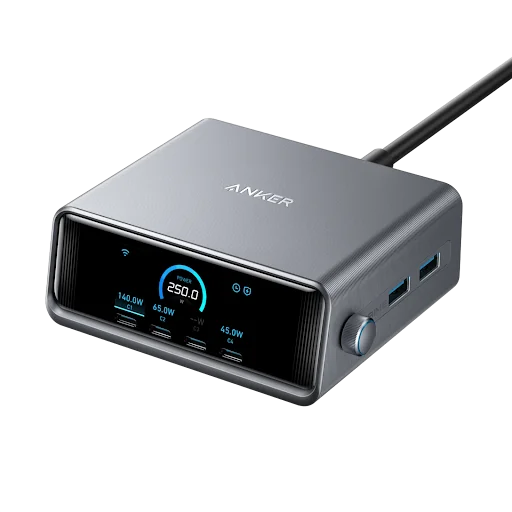
The technology of charging has revolutionized in the past ten years. Elderly chargers were slow, cumbersome, and unreliable when used with multiple devices. Modern smartphones, laptops, tablets, and accessories now rely on the usb c charger as a standard. At the center of this evolution, the type c charger provides faster power without compromising device safety. Brands like Anker demonstrate that this shift is not only innovation but also a commitment to smarter and safer charging experiences.
New users want speed without compromising battery life. Understanding how this charging technology works helps users make informed decisions and dispels common misconceptions about fast charging.
The History of Charging Technology
Conventional USB chargers relied on a fixed power output. They delivered the same current regardless of device requirements, often leading to overheating or slow charging. As devices became more powerful, this outdated method could no longer keep up.
The usb c charger introduced a flexible power delivery system. Instead of delivering a continuous flow of power, it communicates with the device and adjusts power in real time. This two-way communication is one of the main reasons modern charging is faster and safer.
The Difference Between a Type C Charger and Other Chargers
Intelligent Power Negotiation
A type c charger uses advanced power negotiation protocols. When you plug in a device, the charger and device communicate to determine the optimal voltage and current. This ensures the device receives only the power it can safely handle.
This system prevents overcharging, reduces heat, and extends battery lifespan. In my experience testing multiple chargers, devices paired with quality USB-C chargers consistently remain cool, even during fast charging sessions.
Increased Power Capacity With Safety
Compared to older chargers with lower wattage, a usb c charger can deliver higher power outputs when needed. This allows a single charger to power both a smartphone and a laptop. The key is that higher wattage is only supplied when the device requests it.
Reliable manufacturers like Anker design their chargers with internal safeguards that monitor temperature, voltage stability, and current flow in real time.
How Faster Charging Works Without Damaging the Battery
Dynamic Voltage Regulation
Fast charging does not mean uncontrolled power flow. A type c charger dynamically adjusts voltage during the charging process. Higher power is delivered when the battery is low and gradually decreases as the battery fills.
This tapering process protects battery cells from stress. It mirrors professional battery management systems, ensuring long-term reliability.
Reduced Heat Through Efficient Design
Heat is a primary factor in battery degradation. The usb c charger minimizes heat by improving energy efficiency. Less wasted energy results in lower temperatures, even at faster charging speeds.
From practical experience, high-quality chargers maintain stable temperatures even when charging multiple devices simultaneously, reflecting superior internal design.
Safety Features Built Into Modern USB-C Chargers
Overcurrent and Overvoltage Protection
A quality type c charger includes multiple layers of protection. These systems instantly cut power if abnormal electrical activity is detected. This prevents damage from power surges or faulty cables.
Anker chargers use advanced safety chips that actively monitor charging conditions in real time.
Intelligent Compatibility Detection
Not all devices support fast charging. A usb c charger automatically detects device capabilities and adjusts output accordingly. This prevents older or smaller devices from being exposed to unsafe power levels.
This makes USB-C chargers ideal for homes, offices, or classrooms with multiple device types.
Why USB-C Charging Improves Battery Longevity
Battery degradation occurs when cells are exposed to heat and inconsistent power flow. The type c charger mitigates these issues through controlled energy delivery.
Over time, users notice better battery retention when switching to USB-C chargers. Devices hold charge longer and require fewer replacements, making it both cost-effective and environmentally responsible.
The Role of Cables in Safe Fast Charging
While the charger is critical, the cable also plays an essential role. Certified USB-C cables ensure proper data and power transmission. Poor-quality cables can disrupt communication between the charger and device.
Using a reliable usb c charger with a certified cable ensures the entire charging system operates as intended. This combination is necessary for fast charging without compromising safety.
How Brands Like Anker Lead in USB-C Charging
Experience matters in charging technology. Companies like Anker invest in research, testing, and user feedback. Their chargers are designed to perform reliably under real-world conditions.
From personal experience using various charging solutions over the years, well-established brands provide more consistent performance and longer product life compared to generic alternatives.
Conclusion
The rise of the usb c charger has transformed how we power our devices. Through intelligent communication, dynamic voltage control, and built-in safety mechanisms, the type c charger delivers fast charging without damaging batteries. Combined with trusted engineering from brands like Anker, users enjoy speed, safety, and long-term reliability. Choosing the right charger is no longer just about power, but about protecting the devices we rely on every day.
FAQs
Does fast charging reduce battery life?
When using a properly designed type c charger, battery health is maintained through regulated power delivery and heat management.
Are all USB-C chargers safe?
While the USB-C standard supports safety features, quality depends on the manufacturer. Trusted brands follow strict testing standards to ensure safe performance.
Can one USB-C charger charge all devices?
In most cases, yes. A usb c charger automatically adjusts output based on device requirements, making it versatile for multiple devices.
Is overnight charging safe with USB-C?
Modern USB-C chargers stop or slow power flow once the battery is full. Overnight charging is safe when using certified equipment.
Does cable quality matter for fast charging?
Yes. A certified cable ensures proper communication and safe power transfer, which is crucial for fast and secure charging.