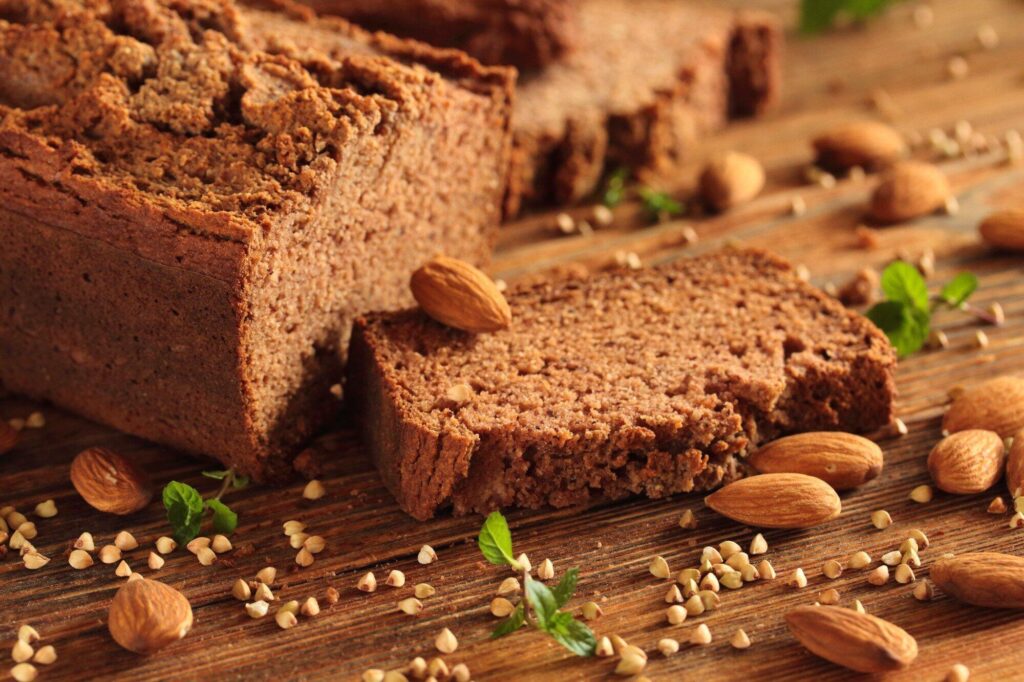
Eating gluten-free is no longer just about avoiding certain foods. For many people, it is a way to feel better, eat cleaner, and enjoy meals without worry. A gluten-free meal plan can bring comfort to the body and confidence to the table, especially when it is built around flavor, balance, and variety.
Gone are the days when gluten-free meant bland or boring. This guide is designed to show how a gluten-free meal plan can be simple, satisfying, and full of joy. From breakfast to dinner, each day can feel complete and nourishing.
If you are ready to see how gluten-free eating can fit smoothly into everyday life, keep reading and discover how delicious it can truly be.
Understanding the Heart of a Gluten-Free Meal Plan
A gluten-free meal plan focuses on foods that are naturally free from gluten while still offering balance and taste. Fresh vegetables, fruits, proteins, dairy, and gluten-free grains form the base of most meals. The goal is not restriction but clarity.
When meals are planned with intention, there is less stress around what to eat and knowing what works for your body builds trust in food again. A good plan supports energy, digestion, and enjoyment without feeling limiting. Gluten-free eating becomes easier when it is built around whole foods rather than substitutes alone.
Building Simple and Satisfying Gluten-Free Breakfasts
Breakfast sets the tone for the day, and gluten-free options can be both filling and comforting. Eggs with vegetables, yogurt with fruit, or smoothies with natural ingredients provide steady energy.
Gluten-free oats are another popular choice when prepared safely. They can be paired with nuts, seeds, and honey for warmth and texture and these breakfasts feel familiar while still supporting gluten-free needs. Starting the day with a nourishing meal helps prevent cravings later on and keeps routines steady.
Lunch Ideas That Feel Light but Complete
Lunch should refuel the body without slowing it down. Gluten-free lunches often shine when they are simple and fresh. Salads with protein, rice bowls, or soups made with whole ingredients offer comfort and balance.
Utilizing leftovers from dinner can streamline lunch planning and enhance efficiency. With thoughtful preparation, meal prep with no gluten becomes a habit that saves time while keeping meals enjoyable. When lunch feels satisfying instead of rushed, the rest of the day flows more smoothly.
Dinner Meals That Bring Comfort to the Table
Dinner is often the most anticipated meal of the day. Gluten-free dinners can be just as comforting as traditional favorites. Grilled meats, roasted vegetables, and gluten-free pasta or rice dishes offer warmth and fullness.
Homemade sauces and spices add depth without hidden gluten. When meals are cooked from scratch, there is more control and confidence in every bite. Dinner becomes a place to relax, connect, and enjoy food without worry.
Snacks that Keep Energy Steady
Snacks play an important role in a gluten-free meal plan. They help maintain energy and prevent overeating later in the day. Simple snacks like fruit, nuts, cheese, or gluten-free crackers work well.
The key is choosing snacks that feel nourishing rather than empty. When snacks are planned ahead, they support the overall rhythm of the day instead of disrupting it. Mindful snacking adds comfort between meals and keeps hunger in check.
Cooking With Naturally Gluten-Free Ingredients
One of the easiest ways to enjoy gluten-free eating is to focus on foods that never contained gluten to begin with. Fresh produce, meats, eggs, dairy, beans, and rice offer endless combinations.
These ingredients allow creativity without constant label checking. Meals feel lighter and more natural when built from simple sources. Cooking with naturally gluten-free foods builds confidence and reduces dependence on processed alternatives.
Creating Variety Without Feeling Overwhelmed
A common worry with gluten-free eating is boredom. Variety is important, and it can be achieved with small changes. Switching proteins, trying new vegetables, or using different spices keeps meals interesting.
Cuisines from around the world often offer gluten-free inspiration, especially those based on rice, corn, or legumes. Exploring these flavors adds excitement without complication. Variety keeps the meal plan enjoyable and sustainable over time.
Making Gluten-Free Eating Family Friendly
Gluten-free meals do not need to feel separate from the rest of the household. Many gluten-free dishes can be enjoyed by everyone at the table. This reduces stress and makes mealtime more inclusive.
Simple adjustments, such as using gluten-free pasta or serving sauces on the side, allow flexibility. When meals are shared, gluten-free eating feels normal rather than isolating. Family-friendly planning supports consistency and connection around food.
Planning Ahead for Easier Weekdays
Planning is one of the most helpful tools in gluten-free living. When meals are planned ahead, there is less pressure during busy days. Knowing what is available makes it easier to stick to the plan.
Batch cooking, simple menus, and repeat meals help reduce decision fatigue. Planning does not need to be perfect to be effective. A little preparation creates space for enjoyment and reduces daily stress.
Reading Labels With Confidence
Packaged foods can be part of a gluten-free meal plan, but they require attention. Learning to read labels builds confidence and reduces uncertainty.
Over time, this skill becomes second nature. Familiar brands and trusted products make shopping easier and faster. Confidence in food choices allows focus to return to enjoyment rather than worry.
Eating Out While Staying Gluten-Free
Eating out can still be enjoyable with a gluten-free lifestyle. Many restaurants now offer gluten-free options or are open to modifications. Asking simple questions helps avoid issues.
Choosing places with clear menus or experience with dietary needs makes dining out more relaxed. Preparation and communication go a long way. Enjoying meals outside the home supports balance and social connection.
Listening to Your Body Along the Way
Every body responds differently to food, even within a gluten-free plan. Paying attention to how meals make you feel helps guide better choices.
Some people thrive on certain grains, while others feel better without them. Flexibility allows the meal plan to grow with you. Listening to your body builds trust and long-term success.
Where Gluten-Free Living Becomes a Joy
A gluten-free meal plan is not about restriction. It is about creating meals that feel good, taste good, and support daily life. With thoughtful planning and simple ingredients, every meal can feel satisfying and safe.
When food brings comfort instead of concern, eating becomes enjoyable again. If you are ready to continue exploring how gluten-free meals can fit naturally into everyday routines, keep reading and let each meal become something you truly look forward to.
For more on this content, visit the rest of our blog!