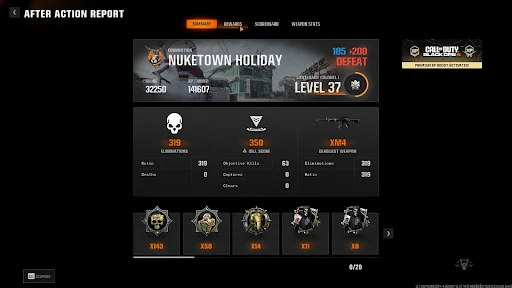
Every player begins with uncertainty, where controls feel awkward and decisions lag behind the action. The early learning curve in competitive shooters is steep, demanding patience and repetition. Before killstreaks become routine, players must understand movement, aiming rhythm, and basic survival. This stage is not about domination but discovery COD Bot Lobbies. Each mistake reveals a gap in understanding, and each small success builds familiarity. Growth starts quietly, long before scoreboards reflect improvement, shaping the foundation that future performance depends on.
Why Safe Practice Accelerates Improvement
Learning happens faster when fear of failure is removed. Safe practice environments allow players to focus on skill-building rather than outcomes. Without worrying about rank or reputation, experimentation becomes natural. Players try new approaches, learn what works, and discard what doesn’t. This freedom speeds up improvement by turning errors into lessons instead of frustrations. Over time, confidence grows not from wins, but from understanding mechanics deeply enough to trust personal execution.
The Role of COD Bot Lobbies in Skill Growth
COD Bot Lobbies play a crucial role in this transition by offering a controlled environment where learning evolves into execution. They allow players to rehearse engagements repeatedly, smoothing the path from understanding to action. By removing unpredictability, these sessions highlight personal weaknesses clearly. Addressing those weaknesses consistently accelerates improvement, making competitive matches feel less chaotic and more manageable.
Mechanics Before Momentum
Momentum in matches often comes from mechanical reliability. Consistent aiming, smooth movement, and controlled engagements form the backbone of strong play. Practicing mechanics in isolation helps players correct flaws early. Instead of reacting wildly, they learn deliberate control. Once mechanics stabilize, momentum follows naturally. Players begin winning consecutive fights not through luck, but through repeatable actions that hold up under pressure.
Breaking Down Complex Systems
Shooter games are layered systems where mechanics, maps, and decision-making intersect. Trying to learn everything at once leads to overload. Controlled practice breaks these systems into manageable parts. Players can focus on positioning one session, aim the next, and timing after that. This structured approach simplifies learning, allowing skills to stack logically. Understanding grows step by step, turning complexity into clarity.
Building Awareness Through Repetition
Awareness is the ability to read situations quickly. It develops through repeated exposure to similar scenarios. By seeing engagements unfold again and again, players start recognizing patterns instinctively. They learn where threats emerge, when pressure builds, and how space changes during fights. This awareness shortens reaction time, making decisions feel intuitive rather than forced during real matches.
Confidence Born From Preparation
Confidence that lasts is built, not borrowed. Preparation creates a quiet assurance that carries into competition. Players who rehearse fundamentals repeatedly trust their instincts when matches heat up. Hesitation fades because actions feel familiar. This confidence stabilizes performance, preventing panic during intense moments. When preparation is thorough, pressure becomes manageable instead of overwhelming.
The Transition From Learning to Execution
At some point, learning shifts into execution. Players stop thinking about inputs and start thinking about outcomes. This transition marks real progress. Skills practiced deliberately now operate automatically, freeing mental space for strategy. Execution replaces hesitation, and players respond faster to changing situations. This shift is subtle but powerful, separating beginners from reliable competitors.
Developing Killstreak Consistency
Killstreaks are not just about aim; they reflect positioning, patience, and decision-making. Consistency comes from mastering these elements together. Controlled practice teaches players when to engage and when to disengage. Over time, streaks become the result of smart play rather than reckless aggression. This consistency translates into dependable performance, where streaks are earned through discipline instead of chance.
Mental Control Under Pressure
Pressure exposes untrained habits. Players who rush decisions or tense up often lose control in critical moments. Practicing in calmer settings trains emotional regulation. Players learn to reset after mistakes and maintain focus over long sessions. This mental control carries into live matches, helping players stay composed during high-stakes situations where others falter.
Turning Knowledge Into Instinct
Knowledge alone does not win matches; instinct does. Instinct forms when knowledge is applied repeatedly until it becomes automatic. Through repetition, players internalize distances, timings, and angles. Decisions happen faster because the brain recognizes situations instantly. This instinctive playstyle is what enables smooth killstreaks, even in unpredictable environments.
Adaptability as a Competitive Advantage
Adaptability separates good players from great ones. Practicing in varied scenarios encourages flexibility. Players learn to adjust pacing, positioning, and aggression depending on circumstances. This adaptability prevents stagnation and keeps performance strong against different opponents. When matches shift unexpectedly, adaptable players stay effective instead of falling behind.
From Practice Sessions to Match Impact
The true value of preparation appears in real matches. Skills honed quietly begin influencing outcomes visibly. Players win more engagements, survive longer, and support their teams more effectively. The gap between practice and performance narrows, proving that preparation was not wasted time. Each match becomes a demonstration of progress earned through discipline.
The Second Role of COD Bot Lobbies in Long-Term Growth
Beyond early learning, COD Bot Lobbies continue supporting long-term growth by maintaining sharpness. Even experienced players benefit from revisiting fundamentals. These sessions act as recalibration, ensuring mechanics and awareness stay refined. Regular practice prevents bad habits from forming, preserving consistency over time.
From Curves to Confidence-Fueled Streaks
The journey from steep learning curves to confident killstreaks is gradual but rewarding. It is shaped by patience, repetition, and intentional practice. Each session builds on the last, turning uncertainty into control. Players who respect this process find that success feels earned and repeatable. In the end, preparation transforms effort into impact, proving that every streak begins with a willingness to learn.
Go further and uncover more valuable resources at Management Works Media.