Have you ever wondered how a simple sketch becomes a strong metal part in a machine or device you use every day This transformation from an idea to a finished product is made possible by casting.
Many people think design and manufacturing are separate, but casting bridges that gap by shaping molten material into detailed parts. It makes products better, faster, and more reliable in many industries.
This article explores how casting plays a key role in turning design into high-quality products. This article shows how techniques shape modern production.
The Casting Process
Casting begins with a design that outlines every feature of the final product. Engineers create molds or patterns that reflect the intended shape so molten metal flows into the right areas. This step ensures accuracy before any material is poured.
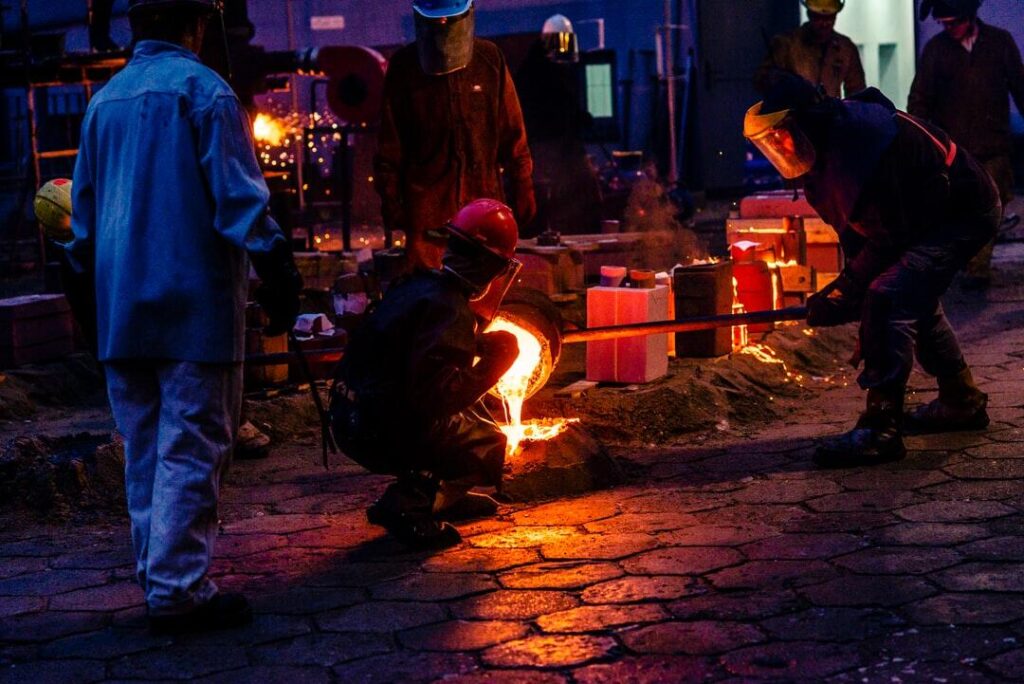
Once the mold is prepared, heated metal is carefully poured and allowed to cool. As it hardens, the metal takes on the form of the design. The result is a solid part ready for cleaning and refinement.
Benefits In Modern Manufacturing
Casting allows manufacturers to produce complex shapes in a single piece. This reduces the need for welding or assembly, which can weaken parts over time. Fewer components also mean faster production cycles.
Many companies work with an investment casting foundry to achieve high precision and consistency. This method supports tight tolerances and smooth finishes. It also helps manufacturers maintain repeatable quality across large production runs.
Quality And Precision
Modern casting relies on digital tools to improve accuracy. Computer modeling helps predict how metal will flow and cool inside a mold. This reduces defects before production even begins.
Quality checks are performed throughout the process to ensure standards are met. Parts are inspected for strength, shape, and surface finish. This attention to detail leads to reliable components that perform as expected.
Future Trends In Casting
Automation continues to improve casting efficiency and safety. Machines now assist with pouring, cooling, and handling heavy materials. This reduces errors while speeding up production timelines.
Advanced software also helps designers test ideas before manufacturing starts. Simulations show how parts will react to stress or heat. These tools save time and lower development costs.
Sustainability is becoming a priority in casting operations. Many facilities reuse scrap metal and reduce energy waste. These efforts support greener production without sacrificing performance.
New technologies continue to expand what casting can achieve. Innovative materials and smarter processes allow more freedom in design. This keeps casting relevant as industries evolve.
Casting Shapes The Future Of Production
Casting continues to influence how ideas become real products by connecting design with physical reality. It plays a quiet but powerful role in industries from automotive to medical devices, making functional parts that meet strict performance standards. The constant evolution in tools and methods keeps casting at the heart of modern production strategies.
The value of casting goes beyond manufacturing efficiency; it also supports creativity and problem solving in engineering. As technologies evolve, casting will remain an essential link between imagination and material reality.
We hope this article was helpful to you. If you enjoyed it, be sure to check out our blog for more valuable information and resources