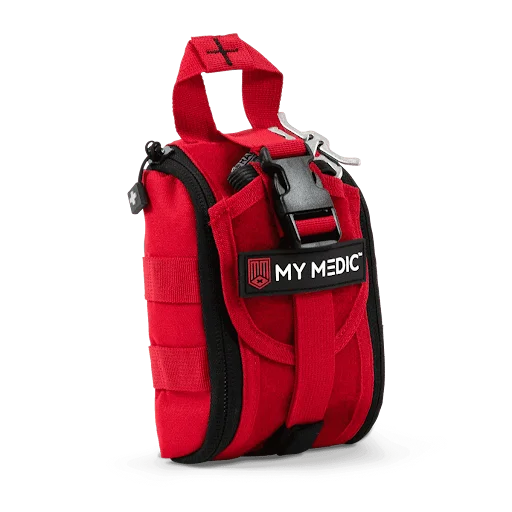
Preparedness is no longer just an operational concern—it’s a leadership one. Whether you manage a growing team, oversee multiple locations, or run a small business, having the right emergency response tools in place is essential Emergency preparedness. Equip your workplace with professional-grade first aid solutions from My Medic and take a proactive step toward protecting your people and your business.
Why Emergency Preparedness Is a Management Issue
In many organizations, emergency preparedness is treated as a checkbox—something addressed during onboarding or annual compliance reviews. But when real incidents occur, whether it’s a workplace injury, medical emergency, or natural disaster, leaders quickly realize that policies alone are not enough.
Preparedness reflects how much an organization values its people. Teams that know leadership has invested in their safety operate with greater trust, confidence, and focus. Conversely, a lack of readiness can lead to confusion, delayed response, and unnecessary risk during critical moments.
For managers and executives, preparedness is not about anticipating disaster—it’s about ensuring resilience.
The Cost of Being Unprepared
Workplace incidents happen more often than many leaders expect. Slips, cuts, allergic reactions, heat exhaustion, and sudden medical episodes can occur in offices, warehouses, job sites, and remote environments alike.
When teams are unprepared, the consequences go beyond immediate health concerns:
- Increased downtime and lost productivity
- Higher liability exposure
- Damaged employee morale and trust
- Reputational risk for leadership
The reality is simple: minutes matter in emergencies. Access to well-organized, professional medical supplies can significantly influence outcomes before first responders arrive.
Moving Beyond Basic First Aid
Traditional first aid kits often fall short of real-world needs. Many are outdated, poorly stocked, or designed only to meet minimum compliance standards rather than practical use.
Modern workplaces require medical kits that are:
- Clearly organized and easy to use under stress
- Stocked with professional-grade supplies
- Scalable for different environments and team sizes
- Durable enough for frequent access and mobility
Preparedness should empower employees, not overwhelm them. When tools are intuitive and well-maintained, response becomes faster and more effective.
Preparedness as a Leadership Signal
Employees notice what leadership prioritizes. Investing in high-quality medical readiness sends a clear message: safety is not negotiable.
This mindset has a direct impact on organizational culture. Teams that feel protected are more engaged, more loyal, and more confident in leadership decisions. In high-performing organizations, preparedness is part of operational excellence—not a reaction to past incidents.
Leaders who plan for uncertainty demonstrate foresight, responsibility, and care.
Supporting Diverse Work Environments
Today’s workforce is increasingly distributed. Some employees work in offices, others on job sites, and many operate remotely or travel frequently. This diversity creates new challenges for emergency preparedness.
A one-size-fits-all solution no longer works. Medical readiness must adapt to:
- Corporate offices and shared workspaces
- Manufacturing floors and warehouses
- Construction and field operations
- Company vehicles and remote teams
Flexible, purpose-built kits allow organizations to maintain consistent safety standards across all environments without overcomplicating logistics.
Training, Confidence, and Culture
Preparedness is not just about equipment—it’s also about confidence. When employees know where supplies are located and trust their quality, hesitation decreases during emergencies.
Many organizations integrate preparedness into broader training initiatives, reinforcing calm, clear decision-making under pressure. Over time, this builds a culture where employees feel empowered to act rather than wait.
Strong leaders understand that confidence during crises is cultivated long before an incident occurs.
Preparedness as Risk Management
From a business perspective, preparedness is a form of risk mitigation. Investing in reliable medical supplies is far more cost-effective than dealing with the aftermath of preventable complications.
Insurance policies, legal frameworks, and compliance requirements all assume a baseline level of readiness. Exceeding that baseline protects not only employees, but leadership itself.
Preparedness demonstrates due diligence—a quality that matters to stakeholders, partners, and clients alike.
A Long-Term Perspective
The best preparedness strategies are built to last. They emphasize durability, usability, and scalability rather than short-term fixes.
High-quality medical kits are not disposable assets. They are long-term investments that evolve alongside the organization. As teams grow or operations change, preparedness can expand without starting from scratch.
This long-term thinking aligns with sustainable leadership practices and responsible management.
Leading With Intention
In moments of crisis, employees look to leadership for direction and reassurance. The tools leaders choose today determine how effectively teams respond tomorrow.
Preparedness is not about fear—it’s about responsibility. It’s about ensuring that when something unexpected happens, people are supported, protected, and cared for.
Take a proactive approach to workplace safety and leadership readiness. Explore professional-grade medical kits and preparedness solutions from My Medic and build a safer, more resilient organization today.