Chronic pain is a condition that affects millions of adults in the USA. With a doctor-guided cannabis treatment plan, you can manage your symptoms effectively. Backed by research and data, many people seek marijuana for pain relief.
For many Maryland medical marijuana card holders, walking into the dispensary for the first time can be overwhelming. With so many products, strengths, and strain names, it’s hard to know where to begin.
This is why under Maryland’s Natalie M. LaPrade Medical Cannabis Commission (MMCC)-regulated system, qualifying patients must obtain certification from a licensed physician and purchase only from state-licensed dispensaries.
Although Maryland now allows adult-use cannabis, medical patients still receive key benefits such as higher possession limits, broader therapeutic options, and physician-guided product selection.
In this guide, you will understand the most common cannabis product types such as flower, edibles, and topicals, and what you should try for chronic pain.
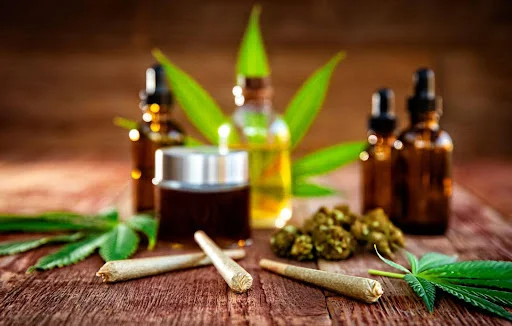
Flower: Fast Relief
Also known as bud, it is the classic way people consume cannabis. The effects usually kick in within 5 to 10 minutes once you smoke it or vaporize it. This is the main reason why many chronic-pain patients prefer flowers.
In addition, many patients prefer inhaled flower for faster relief because you can titrate dose puff-by-puff as it helps avoid overconsumption and adverse effects.
What Beginners Should Know?
- While shopping for flowers, see the THC percentage, such as 18%, 20%, even 28%. Higher THC does not always mean better or safer pain relief.
- In fact, beginners should choose a balanced THC:CBD strain. It can offer more stable results.
- Moreover, if you want a smoother inhalation, use a dry herb vaporizer instead of smoking, because it’s easier on the lungs.
Edibles: Long Lasting
Edibles are a great option if you’re looking for sustained relief for several hours. They come in all shapes and flavors, gummies, chocolates, beverages, and capsules. They offer a slower and more gradual experience.
What makes edibles appealing is their effect that can last for 4 to 8 hours, sometimes longer, with effects dissipating within 24 hours. You can use them for nighttime pain, arthritic flare-ups, post-workout soreness, or long workdays.
In Maryland, a licensed physician provides a cannabis recommendation and insight on product types and dosing.
What Beginners Should Know?
A common mistake you can make is taking two doses simultaneously, called dose stacking. Edibles take time to act, usually 30 to 90 minutes. Due to their delayed action, many people think their first dose didn’t work and take more.
Beginner-Friendly Edible Dosing
- Start at a low dose.
- Always consult your doctor first.
- If you’re sensitive, choose a 1:1 THC:CBD gummy.
- Don’t take another dose for at least 2 hours.
You may feel your dose is tiny, but microdosing is extremely common for chronic pain. Many people find relief from the small and steady cannabis dose.
Topicals: Without The High
This product type may provide localized relief without psychoactive effects. It comes in various forms such as creams, balms, roll-ons, salves, and patches. These are directly applied to your skin.
You don’t feel high because they do not generally enter the bloodstream in significant amounts.
Topicals offer relief for:
- Back Pain
- Knee Pain
- Arthritis
- Sports Injuries
- Muscle Soreness
It can also be used with other cannabis products. For example, you can use a cannabis cream for your lower back pain during the day and take a low-dose edible at night for deeper pain relief.
What Beginners Should Know?
- You should know stronger isn’t always better, but a higher CBD content often provides more noticeable results.
- Some topicals may also include ingredients such as menthol, arnica, camphor, or magnesium for soothing effects.
How To Dose Cannabis Safely?
Whether you go for flowers, edibles, topicals, or any other product types, always discuss them with your doctor first. Under doctor supervision, you can start slow and go slow to use cannabis safely.
These are general starter ranges; talk to a licensed clinician to tailor dosing for your condition and medications.
Simple Dosing Guidelines
- Flower: Start with one small puff. Wait 10 minutes.
- Edibles: Start with 1 to 2.5 mg THC. Wait at least 2 hours.
- Topicals: Apply a small amount to the painful area. Reapply as needed.
THC vs. CBD: What’s the Difference?
| THC | CBD | 1:1 THC:CBD |
| High psychoactive | Low psychoactive | Offers balance |
| Can be intoxicating | Non-intoxicating | Ideal for beginners and sensitive users |
| Highly effective for certain types of chronic pain | Reduces anxiety, calm inflammation, and mellow THC’s effect | Noticeable symptom relief |
Tip: Keep a simple journal for the first week. Maintain records such as product type, dose, how long it took to work, and your symptom relief. This helps you dial in the perfect dose faster.
For First- Time Shoppers
Using cannabis for chronic pain isn’t about chasing the strongest product. It is always about what helps with symptom relief with better side effect management. Everyone is unique and their response is different.
So allow your body to respond slowly. For Maryland medical cannabis patients, slow, mindful dosing helps build a safe routine. Additionally, always consult a licensed professional because an expert-guided treatment plan can create a relief routine without any fear or confusion.
This guide is educational and not medical advice. Individual dosing must be determined by a licensed clinician.