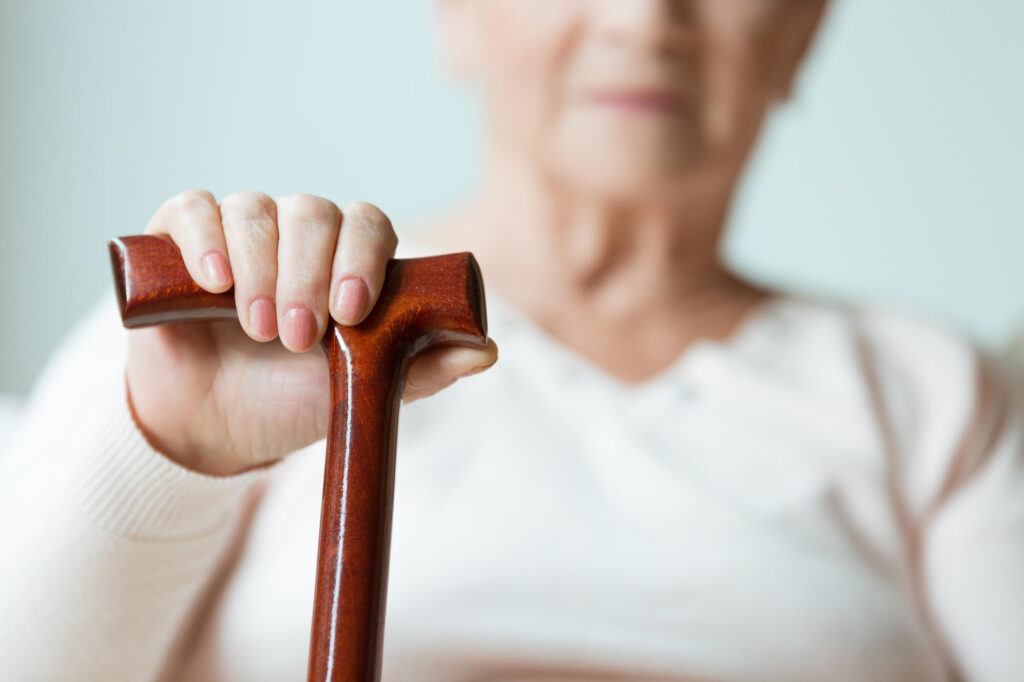
Did you know that one in four older adults falls each year? This statistic highlights the urgent need for fall prevention tips to ensure our loved ones remain safe and independent.
Whether you are an older adult, a caregiver, or someone who is simply concerned about the elders in your community, understanding and implementing these strategies is crucial for reducing risks and supporting safe movement in daily life. Keep on reading below for more insights.
Understanding the Risks
Falls can lead to severe injuries and have long-lasting effects on an older adult’s quality of life. Many factors can contribute to falls, such as:
- Weakness in leg muscles
- Balance problems
- Vision impairments
- Side effects of medications
Identifying potential risks in the home or community can significantly aid in developing a safer environment.
Simple Steps for Fall Prevention
Incorporating fall prevention tips for seniors into daily routines can make a substantial difference. Here are several effective strategies:
Enhance Balance
Exercise helps seniors build stronger muscles and stay steady. Activities like tai chi, yoga, or walking improve coordination. Regular practice can lower the risk of falls.
Home Safety Checks
Make the home safer by removing loose rugs and clutter. Install grab bars in bathrooms and on stairs. Good lighting also helps prevent accidents.
Monitor Medications
Some medications can affect balance and make falls more likely. Talk to a doctor about possible side effects. Changing doses or medications can reduce these risks.
Vision Care
Regular eye exams keep vision clear and sharp. Good eyesight helps seniors see obstacles and avoid tripping. Correcting vision problems lowers the chance of falling.
Footwear Choices
Wearing shoes that fit well and have non-slip soles improves stability. Avoid walking in socks or loose slippers. Proper footwear helps prevent slips and falls.
Each of these tips addresses unique aspects of balance and mobility that are vital for older adults.
Community Resources and Support
Connecting with local community resources can also support older adults in their journey of maintaining safety. Programs that focus on physical fitness for seniors, as well as proactive safety workshops, can empower individuals with the knowledge and skills they need. Always check local listings for:
- Senior fitness classes
- Fall prevention workshops
- Vision clinics
- Home safety assessments
Embracing these resources can foster a sense of community and safety among older adults.
Unique Considerations for Caregivers
As a caregiver, being attuned to the specific needs of the older adults you support is essential. Engaging them in conversations about their fears regarding falls can be enlightening. Offering reassuring support while encouraging them to remain active is a fine balance. Furthermore, creating a tailored fall prevention plan that includes their preferences can lead to better adherence.
Prioritize Safety and Independence
Understanding and applying fall prevention tips can help older adults maintain safety and independence. Creating a tailored fall prevention plan alongside community resources and regular communication with caregivers can significantly enhance their quality of life. Remember, every small step leads to a more secure future for older adults.
Have you found what you’re looking for? If you need more related topics, check out the rest of our blog!