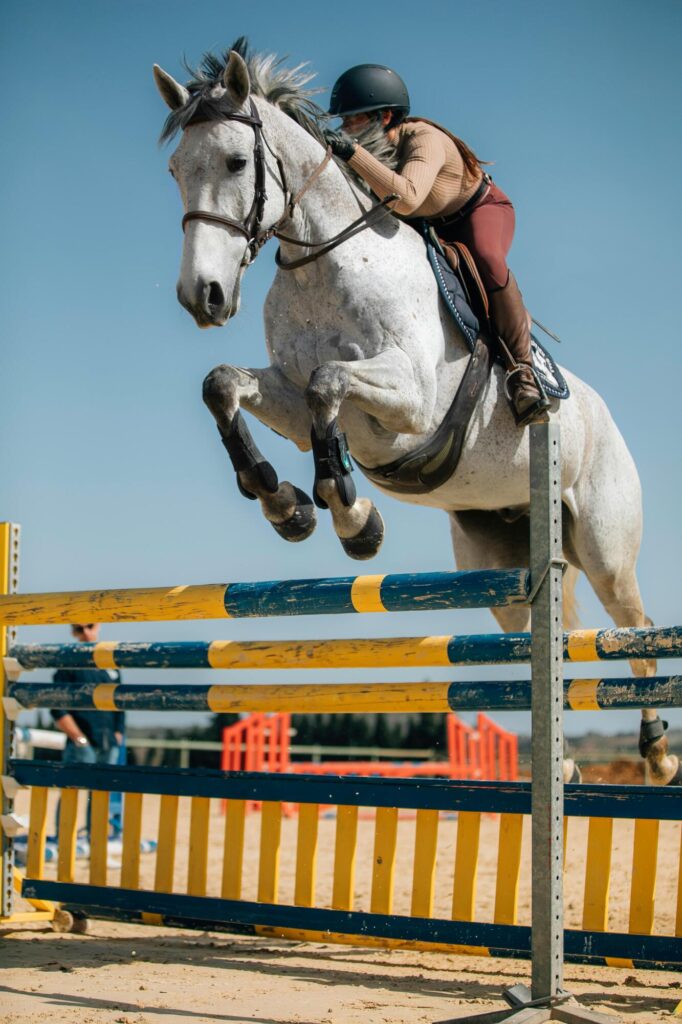
What makes a horse and rider clear a jump smoothly while others struggle? In show equestrian jumping, small details often make the biggest difference. Riders must guide the horse with balance and calm signals.
Horses also need strength, confidence, and proper training. Good habits built early often lead to better results later. Many riders focus on height before improving basics.
This guide explains clear steps that help riders improve technique, training, and trust with their horse. Keep on reading!
Build a Balanced Riding Position
A balanced position helps riders stay steady when the horse jumps. When weight is centered, the rider does not disturb the horse during takeoff or landing.
Keeping heels down and shoulders relaxed helps the rider stay secure in the saddle. Hands should stay quiet so the horse feels clear and gentle guidance. Practicing over ground poles and small jumps builds strong habits that support better performance later.
Master Rhythm Before Height
A steady rhythm is one of the most important parts of good jumping. Horses need a consistent pace so they can judge the correct distance to the fence.
Riders can practice counting strides between fences to develop better timing. Flatwork exercises, such as circles and transitions, help control speed and balance. Many riders study a guide to Kentucky International CSI5* show jumping to understand how top riders maintain rhythm.
Train the Horse’s Strength
Strong muscles help a horse jump higher and land safely. Power mainly comes from the hind legs, which push the horse upward over the fence.
Simple exercises can improve strength and coordination over time. Hill work, trot poles, and grid exercises help develop power in a safe way. Short sessions with proper rest also protect joints and keep the horse healthy during training.
Improve Timing at Takeoff
Good timing helps the horse leave the ground at the right moment. If the rider moves too early or too late, the horse may lose balance.
Looking ahead toward the next fence helps riders stay focused and steady. Hands should move forward slightly so the horse can stretch its neck over the jump. This soft release supports a smooth jump and comfortable landing.
Design Consistent Training Plans
Training every day helps both the horse and the rider get better over time. Random jumping sessions often make things more difficult and slow down progress.
A simple plan for each week can help you train better and more efficiently. Flatwork, grid work, and light jumping days can all be done by riders. Clear goals also help you see how much the horse has improved and keep its confidence up.
Build Trust With the Horse
Trust is an important part of show jumping. When horses feel safe and know their rider, they do better.
Over time, riding calmly and following the signs will help you feel safer. Horses stay willing and focused when they are rewarded for good work. It is easier to handle difficult courses during competitions when you have a strong partnership.
Improving Equestrian Jumping Performance
To be good at equestrian jumping, you need to be patient and train regularly. Most of the time, riders who focus on position, rhythm, strength, timing, and trust do well. Over time, small improvements add up to big gains, even if they happen slowly.
The old ways of training are good because they help build skills slowly. With consistent practice and horse respect, riders can build a jumping team that they are proud of. Today’s good habits will help tomorrow’s rounds.
Did you like this guide? Great! Please browse our website for more!