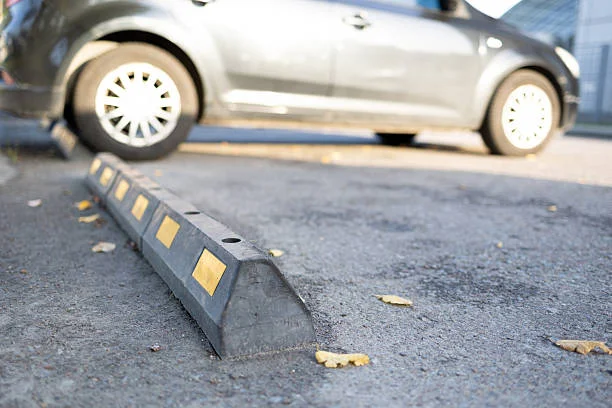
Parking safety is paramount when it comes to managing vehicles in both private and public spaces. Ensuring that vehicles are stationary when parked can prevent accidents, injuries, and vehicle safety damage to both property and vehicles alike. One significant component in the pursuit of enhanced parking safety is the integration of wheel stops into car parks, garages, and loading zones. These simplistic yet highly effective tools are integral to maintaining a safe and orderly parking environment.
The Role of Wheel Stops in Vehicle Safety
Wheel stops are designed to provide a physical barrier to prevent vehicles from overrunning parking spaces. They serve a dual purpose: protecting pedestrians walking behind parked vehicles and shielding surrounding infrastructure or landscape features from accidental damage. Beyond this, they help in delineating parking spots and can be an aid to drivers when maneuvering into a space.
When positioned effectively, wheel stops limit the risk of cars rolling into pedestrian zones or colliding with storefronts, walls, or other parked vehicles. Their visibility and physical presence offer drivers both a visual and tactile signal that they have reached the limit of the designed parking area.
Materials and Durability
Wheel stops come in various materials, each boasting its specific attributes and suited to different environments. Common materials include concrete, rubber, and polyethylene—a highly durable plastic. The choice of material often depends on the specific application, with rubber and plastic stops being lightweight and thus easier to install and relocate, as required.
Durability is a primary consideration when selecting wheel stops. They need to withstand direct car impact, exposure to the elements, and the wear and tear of daily vehicular traffic. To maintain safety and performance, it is crucial that these stops remain intact and firmly anchored over time.
Design and Visibility
The design of wheel stops plays a crucial role in their effectiveness. They need to be of a certain height and width to be noticeable and functional, and yet not too high to cause vehicle damage upon impact. Visibility is also vital, especially in low-light conditions. Many wheel stops feature reflective surfaces, bright colours, or embedded reflectors to enhance visibility.
Integrating indicators such as arrows or signage into the design can also help navigate drivers into and out of parking spaces more intuitively, further enhancing the safety benefits of these installations.
Strategic Placement for Maximum Efficacy
The strategic placement of wheel stops is a key aspect of parking area design. Correct placement can assist in managing flow and ensuring the best use of space. Wheel stops can also be used to create barriers that protect important areas, such as loading bays, walkways, and utility equipment.
It’s important for site managers to work with safety consultants or auditors to determine the optimal placement of wheel stops for the specific layout and usage of their parking facilities. This will help in achieving the right balance between safe vehicle storage and efficient traffic movement within the parking area.
Compliance with Parking Safety Standards
Compliance with parking safety standards and regulations is another essential factor. Different regions may have specific rules governing the use of wheel stops, including their dimensions and placement. Properly installed and compliant wheel stops can contribute to creating a parking environment that is safe for users and that meets regulatory requirements.
This adherence to standards ensures that all safety features are up to date and effective in mitigating hazards associated with vehicle parking and movement.
Environmental Considerations
In addition to their safety contributions, today’s wheel stops are increasingly being considered for their environmental impact. Manufacturers are exploring sustainably sourced materials or recycled products to minimise the ecological footprint of these safety features. Eco-friendly options can contribute to a parking facility’s overall sustainability profile without compromising on safety or durability.
Recycled rubber wheel stops, for example, are becoming a popular choice for environmentally conscious organisations and municipalities, offering a greener alternative to traditional materials while still delivering on performance.
Maintenance and Upkeep
To ensure ongoing safety, wheel stops require regular maintenance and inspection. Elements to check include stability, surface integrity, and visibility aspects. Over time, the fixing of wheel stops to the pavement can degrade, which may necessitate reinstallation or reinforcement.
Maintenance activities also need to account for any wear and tear that could diminish the wheel stop’s visibility or effectiveness in halting vehicle movement. Regularly scheduled checks and maintenance of these installations are an integral part of a holistic parking safety strategy.
Wheel Stops in the Bigger Picture of Parking Safety
Wheel stops are a part of a larger suite of parking safety measures which may include speed humps, signage, lighting, and pedestrian pathways. The effectiveness of wheel stops is notably enhanced when they are used in conjunction with these other safety features. For instance, speed humps can help control vehicle speed in parking areas, leading to safer parking manoeuvres and interactions with wheel stops.
Ultimately, an integrated safety approach is the most effective way to ensure vehicle and pedestrian safety within parking facilities.
The Bottom Line
Ensuring vehicle safety within parking spaces is a multifaceted challenge that requires careful consideration and strategic planning. Wheel stops are a central component to this end, and when properly implemented, they offer a simple and effective means to improve safety.
With a focus on durable materials, visible design, strategic placement, compliance with standards, environmental impact, and consistent maintenance, wheel stops serve as an indispensable part of modern parking safety solutions.
It’s clear that adopting this safety measure significantly contributes to avoiding potential incidents and maintaining orderly parking facilities. The inclusion of wheel stops should be a priority for any organisation looking to improve the safety and functionality of their parking areas, reflecting a commitment to best practices in vehicle safety and infrastructure management.