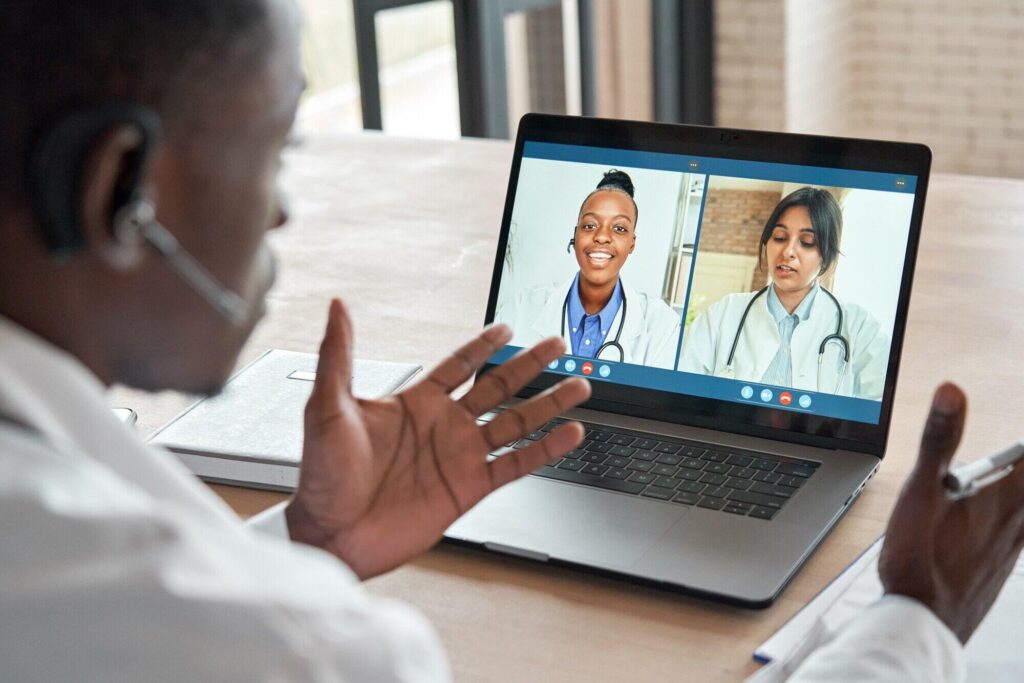
Have you ever wondered why some healthcare centers move smoothly while others struggle with delays and long waits? In many cases, the answer lies in how well teams use mobile tools in their daily work. Enhancing healthcare efficiency with mobility solutions has become a key goal for clinics, hospitals, and care centers of all sizes.
These tools help staff work faster and stay connected, even when they are on the move. They also help patients feel cared for without added stress. By reading this guide, you will learn how mobility solutions improve care, save time, and create better results for everyone involved.
Understanding Mobility Solutions in Healthcare
Mobility solutions are tools and systems that allow healthcare workers to access information while moving from place to place. These tools often include mobile devices, secure apps, and wireless systems that connect teams in real time. When staff can move freely and stay informed, daily tasks become easier to manage.
This leads to smoother workdays and better focus on patient care. Healthcare settings are busy and fast paced, which makes clear communication very important. Mobility solutions reduce the need to return to desks or offices just to check records or share updates.
Doctors and nurses can act quickly because they have the right details at the right time. Over time, this simple change can make a big difference in how care is delivered.
How Mobility Reduces Delays in Care
Delays can affect patient trust and safety, especially during busy hours. Mobility tools help reduce these delays by giving staff quick access to schedules, test results, and patient needs. When updates are shared instantly, teams can respond without waiting for paperwork or phone calls.
This faster flow of information helps patients receive care sooner. In many cases, delays happen because staff must move between rooms to find answers. With mobile access, many of these steps are removed.
Nurses can check orders while at the bedside, and doctors can approve plans without delay. This steady pace keeps care moving forward in a calm and organized way.
Improving Team Coordination Through Mobility
Good coordination depends on clear and timely communication. Mobility solutions allow teams to stay connected no matter where they are in the facility. Messages, alerts, and updates can be shared in seconds.
This helps everyone stay aware of changes and priorities. When teams work together with shared tools, mistakes are less likely to happen. Staff members know who is handling each task and what needs attention next.
This shared view of care plans builds trust among team members. Strong coordination also helps patients feel confident that their care is well managed.
Secure Access to Patient Information Anywhere
Patient information must be easy to access but also well protected. Mobility solutions are designed with security in mind, using safe networks and access controls. This allows staff to view records without risking privacy.
Secure access supports better decisions because staff can rely on complete and up to date data. Having information available anywhere reduces stress for healthcare workers. They do not need to remember details or search through files later.
Instead, they can focus on listening to patients and providing support. This balance of access and safety is a key part of modern healthcare efficiency.
Enhancing Healthcare Efficiency
Enhancing healthcare efficiency with mobility solutions means creating systems that support both speed and quality. Mobile tools help reduce wasted time and repeated steps. When tasks flow smoothly, staff energy is used where it matters most.
This improves outcomes for patients and reduces burnout for workers. Efficiency also means making better use of resources. Mobility solutions help track equipment use, room availability, and staff schedules.
In some settings, this includes coordination with services like medical equipment rentals, which can be managed more easily through mobile systems. With clearer oversight, facilities can plan better and avoid unnecessary costs.
Supporting Better Patient Experiences
Patients notice when care feels organized and calm. Mobility solutions help staff spend more time with patients instead of handling paperwork. When questions are answered quickly, patients feel heard and respected.
This builds trust and comfort during care. Clear communication also helps patients understand their treatment plans. Staff can share updates and explain steps without leaving the room.
This personal attention improves satisfaction and reduces confusion. Over time, positive experiences encourage patients to stay engaged in their own care.
Adapting Mobility Solutions for Different Settings
Healthcare settings vary widely, from small clinics to large hospitals. Mobility solutions can be adjusted to fit each environment. Simple tools may be enough for smaller teams, while larger facilities may use advanced systems.
The goal is always the same, which is better flow and clear communication. Training is an important part of successful use. Staff need time to learn how tools fit into their routines.
When training is clear and supportive, adoption becomes easier. With proper planning, mobility solutions can grow along with the needs of the facility.
Overcoming Common Challenges with Mobility
Introducing new tools can feel challenging at first. Some staff may worry about learning new systems or changing habits. Clear guidance and steady support help ease these concerns.
When benefits are explained, teams are more open to change. Technical issues can also arise, but they are often manageable with good planning. Reliable networks and strong support systems reduce disruptions.
Over time, teams gain confidence and see how mobility improves their work. These small wins build momentum and lasting success.
The Future of Mobile Healthcare Efficiency
Mobility solutions continue to evolve as technology advances. New tools focus on speed, ease of use, and stronger security. These improvements support safer and more connected care.
As systems improve, healthcare teams can work with greater confidence. The future also brings more patient centered approaches. Mobile tools help involve patients in their own care through clear updates and communication.
This shared role strengthens trust and understanding. With continued growth, mobility solutions will remain a key part of efficient healthcare.
A Smarter Path Forward for Healthcare Teams
Healthcare is changing, and mobility is a big part of that change. Enhancing healthcare efficiency with mobility solutions helps teams reduce delays, improve coordination, and access patient information securely from anywhere. These tools support better care while easing daily workloads.
When used thoughtfully, mobility solutions create calm and clear workflows that benefit everyone. By embracing mobile tools, healthcare teams can focus on what matters most, which is caring for people with skill and compassion.
Did this guide help you? Browse the rest of this section for more advice on a variety of topics.