Sewage backups don’t wait for convenient times. They happen at 2 AM or right before a holiday weekend when everything’s closed. The contamination spreads fast, and the health risks get serious within hours. That’s why emergency sewage cleanup services exist as a specialized industry separate from regular plumbing or general cleaning companies. These teams respond immediately with equipment and training specifically designed to handle Category 3 water contamination, which is what sewage classifies as under IICRC standards. Most people don’t know this, but regular water damage restoration companies often can’t legally handle sewage cleanup because the certifications and insurance requirements are completely different.
Why Sewage Contamination Requires Specialized Response
Raw sewage contains bacteria, viruses, parasites, and chemical contaminants that pose immediate health threats. E. coli and salmonella are the ones people know about, but hepatitis A, norovirus, and various parasitic organisms show up regularly in testing. The Australian Department of Health classifies sewage as a biological hazard requiring personal protective equipment rated for bloodborne pathogens.
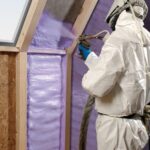
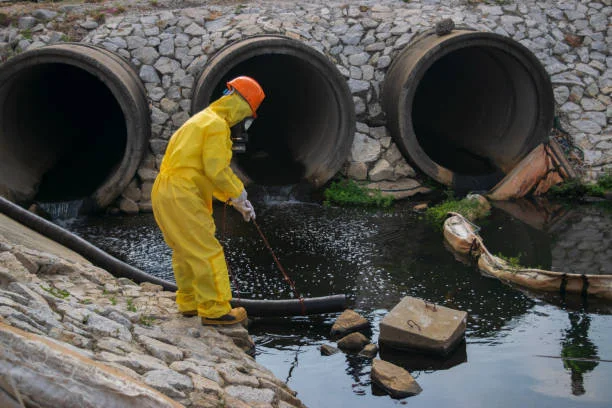
Professional cleanup crews wear full-body suits with respirators, not just rubber gloves and boots. The respirators use HEPA filters or supplied air systems because airborne pathogens become a risk once sewage starts drying. Studies from the University of Arizona found that sewage aerosols can remain infectious for up to six hours in enclosed spaces.
The Actual Cleanup Process Step by Step
First step is containment. Teams set up physical barriers to prevent sewage from spreading to uncontaminated areas. They use plastic sheeting and negative air machines that create lower pressure in the affected zone. This stops airborne particles from traveling to clean spaces.
Next comes extraction. Industrial vacuum systems rated for hazardous waste remove standing sewage. These aren’t shop vacs from hardware stores. Professional equipment uses sealed tanks and filtration systems that prevent cross-contamination. A typical residential backup might produce 200 to 500 liters of contaminated water, while commercial incidents can involve thousands of liters.
After extraction, everything that contacted sewage gets treated. Porous materials like carpet, drywall, and insulation usually can’t be saved. The moisture and bacteria penetrate too deep for effective disinfection. Hard surfaces get scrubbed with EPA-registered antimicrobial solutions. The standard protocol requires contact times of 10 to 15 minutes with these chemicals before rinsing.
Equipment and Technology Used
Thermal foggers distribute disinfectants as fine mist particles that reach every surface in the affected space. This catches areas that manual cleaning might miss, like ceiling cavities or inside wall spaces. The fog particles are typically 5 to 30 microns in size, small enough to penetrate cracks and crevices.
Air scrubbers with HEPA filtration run continuously during and after cleanup. These machines cycle the room’s air through filters that capture 99.97% of particles down to 0.3 microns. Sewage cleanup usually requires air scrubbers to run for 48 to 72 hours to adequately clean the air.
Moisture meters and thermal imaging cameras locate hidden contamination. Sewage often seeps under flooring or behind walls where you can’t see it. These tools detect elevated moisture levels that indicate contamination spread.
Response Times and Service Availability
Most emergency sewage cleanup services companies guarantee response within two to four hours in metropolitan areas. Rural response times stretch longer, sometimes six to eight hours depending on location. The speed matters because bacterial growth accelerates rapidly. Studies show bacterial colonies can double every 20 minutes in ideal conditions, and sewage provides perfect conditions.
Pricing typically starts around $1,500 for minor residential backups affecting single rooms. Larger incidents involving multiple rooms or commercial spaces can cost $5,000 to $15,000 or more. Insurance usually covers sewage cleanup under water damage policies, though you should verify your specific coverage before assuming it’s included.
Spotlight content just for you—check out our featured posts today.