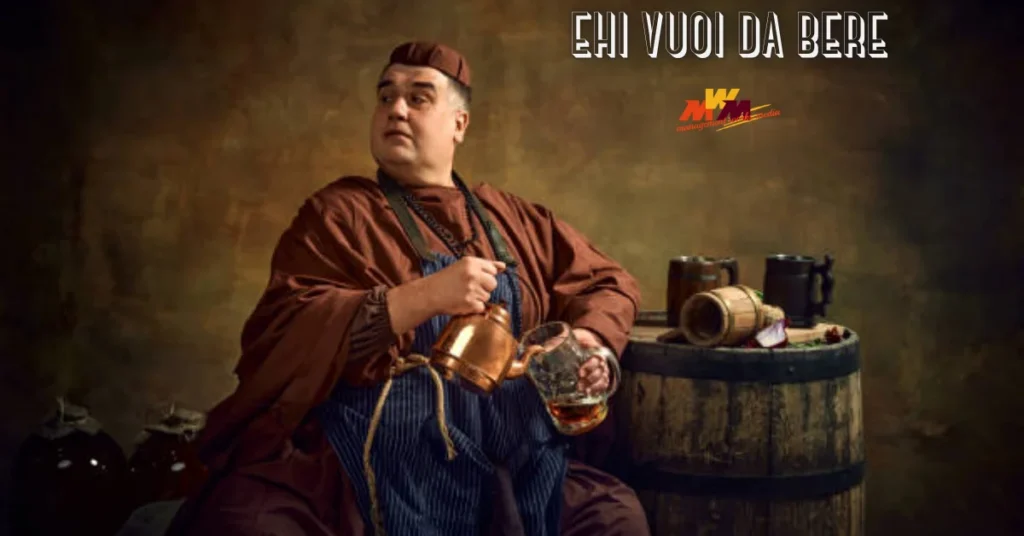
Introduction to ehi vuoi da bere
Ehi vuoi da bere! It’s more than just a phrase; it’s an invitation, a celebration, and a nod to the vibrant Italian culture that weaves together community and conviviality. Picture this: friends gathered around a table, laughter echoing off the walls of a rustic trattoria while glasses clink in harmony. This simple expression encapsulates not only the joy of sharing drinks but also carries rich layers of history and meaning.
As we dive deeper into the world behind “ehi vuoi da bere,” we’ll explore its fascinating origins, cultural significance, and how it has transcended borders to capture hearts globally. Whether you’re fluent in Italian or simply intrigued by languages, join us as we uncover what makes this phrase so captivating through time and across cultures. Let’s raise our glasses to the enduring allure of “ehi vuoi da bere!”
Discover insights that matter—check out these related stories you can’t miss!
The History and Origins of the Phrase
The phrase “ehi vuoi da bere” translates to “hey, do you want a drink?” in English. Its roots lie deeply within Italian social culture, where sharing a beverage often fosters connection.
Emerging from Italy’s rich history of hospitality and camaraderie, this expression encapsulates the warmth of inviting someone to share a moment together. The simple act of offering a drink becomes an unspoken bond between friends or even strangers.
Historically, communal drinking rituals were integral to many cultures across Europe. In Italy, these gatherings became synonymous with life celebrations—birthdays, holidays, and everyday joys. As such phrases evolved over time, they captured more than just the action; they reflected an entire philosophy on friendship and community.
Today’s casual usage highlights how language evolves while retaining its essence rooted in shared experiences.
Cultural Significance and Impact
The phrase “ehi vuoi da bere” transcends mere words. It embodies the warmth of Italian hospitality and the joy of shared moments. In a culture where food and drink unite people, this expression serves as an open invitation to connect.
Often heard in bustling cafes or during family gatherings, it signals more than just refreshments. It sparks conversations and laughter, creating memories that linger long after the glass is empty. This simple question fosters community spirit.
Moreover, its resonance extends beyond Italy’s borders. As global travelers encounter this phrase, they carry its essence back home. It becomes a symbol of togetherness in diverse settings—whether at dinner parties or casual hangouts.
In art and literature, “ehi vuoi da bere” finds representation too. Artists capture these fleeting interactions on canvas while writers weave them into narratives that celebrate life’s little pleasures.
Expanding Beyond Italian Culture
The charm of “ehi vuoi da bere” has transcended Italian borders, captivating audiences worldwide. As global interest in Italian culture grows, so does the phrase’s appeal.
In countries like Brazil and Argentina, where significant Italian communities thrive, this expression resonates deeply. It’s a way to foster connections over drinks, celebrating shared heritage and traditions.
Moreover, the rise of food tourism has introduced travelers to local customs. Visitors often find themselves using “ehi vuoi da bere” as they explore vibrant Italian bars and aperitivo scenes.
Social gatherings around beverages create opportunities for cultural exchange. People from different backgrounds embrace the warmth behind these simple words while sharing laughter and stories.
As social media amplifies its reach, more individuals adopt it into their daily lexicon. The playful spirit captured by “ehi vuoi da bere” invites everyone to partake in camaraderie regardless of origin or language.
Uncover more ideas and tips—explore our curated content tailored for you today.
Memes, Social Media, and Pop Culture References
The phrase “ehi vuoi da bere” has found a vibrant home in the meme culture. Social media platforms are buzzing with creative takes that transform this simple invitation into humorous scenarios.
In various memes, it morphs into catchphrases paired with whimsical images, amplifying its appeal across demographics. It becomes an inside joke among friends or a playful challenge on TikTok.
Pop culture references further cement its status. Influencers and content creators often sprinkle it into their videos, making casual invitations feel like grand gestures.
This cultural phenomenon transcends language barriers, inviting everyone to join in on the fun. The phrase captures spontaneity and togetherness, resonating deeply within online communities.
As users remix and reinterpret “ehi vuoi da bere,” they keep the spirit of connection alive while showcasing creativity in unexpected ways.
Translation Controversies and Interpretations
The phrase “ehi vuoi da bere’s” has sparked various interpretations and translation debates. On the surface, it seems straightforward—asking if someone wants a drink. However, the nuance is where things get intriguing.
Some argue that its casual tone reflects Italian hospitality, while others see it as an invitation to deeper social connections. This duality can complicate translations into other languages. For instance, translating it word-for-word might strip away cultural richness.
Linguists and language lovers frequently debate how to express this phrase while keeping its warmth intact. Some propose versions like ‘Hey, want a drink?’ yet they lose the inviting feel of the original.
These controversies highlight how context shapes meaning in language and culture. Each interpretation invites us to explore different layers of interaction within social settings.
Conclusion: The Enduring Allure of ehi vuoi da bere
The phrase “ehi vuoi da bere” resonates far beyond its literal translation. It embodies a spirit of hospitality and camaraderie, inviting others to share in the joy of good company. Its origins weave through Italian culture, yet its influence has spread across borders and generations.
This simple invitation captures the essence of social connection—something everyone can appreciate, regardless of their background. As conversations flow over drinks shared among friends or strangers alike, this phrase becomes more than just words; it transforms into an experience that celebrates life itself.
In today’s digital age, “ehi vuoi da bere” finds renewed relevance through memes and social media interactions. It bridges cultural gaps while maintaining its charm. The phrase invites us to engage with one another in meaningful ways, reminding us that sometimes all we need is a drink—and perhaps some laughter—to truly connect.
As interpretations continue to evolve, so does our appreciation for such expressions that unite humanity in seemingly small moments. Whether you encounter it at a bustling café in Rome or during casual chats online, “ehi vuoi da bere” serves as a delightful reminder: there is always room for friendship and conversation over something refreshing to sip on together.
Don’t miss this standout post—carefully selected to bring you top value today.