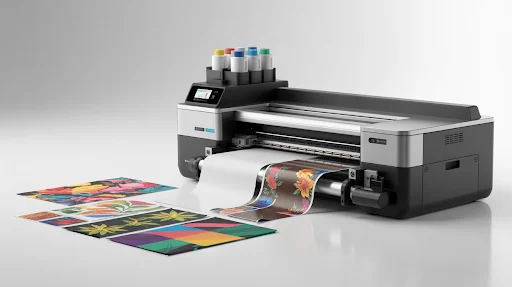
A DTF printer is a kind of printer that prints your design on a special film, which is transferred to fabric by heat press. This process is suitable for a variety of materials, such as cotton, polyester, and blends, and produces vibrant results that last. It’s a good way to produce custom t-shirts, hoodies, bags, and more, with good quality and versatility.
It’s confusing out there if you’re shopping for a printer now. Maybe you’re considering the DTF Pro 60 A1 and want to know if the price is right. The right printer is important if you want clean prints that last, without wasting time or money.
In this buying guide, we’ll make it easier for you to know what to look for. We’ll tell you what really matters, which printer types are best for beginners and professionals, and how to pick the best model for your projects. With that good advice in hand, you should be able to go buy with confidence.
Why Choose a DTF Printer
DTF printing is the new and hot method for custom apparel and promotional products. It provides bright colors, long-lasting, and the flexibility to print on various types of fabric like cotton, polyester, or even mixed fabrics. Unlike conventional techniques such as screen printing or sublimation, DTF printing doesn’t rely on a special fabric type, making it perfect for several projects.
With the option of a DTF printer, you also have the convenience of printing in full color with ease. You get results that look professional and hold up to wear and wash, so you can rely on them for crankin’ out prints that your customers will love.
Types of DTF Printers
Selection of a DTF printer. When it comes to technology, features, and price, you’ll see a variety of DTF printers. There are options for beginners that won’t break the bank and more advanced models for those who want to print in high volumes. Beginner DTF printers are great for hobbyists and small businesses, and they offer an inexpensive way to get the ball rolling.
But premium DTF printers have many other advanced features like higher printing speeds, bigger printing sizes, and superior printing quality. These types are better suited for all the large-scale commercial or professional printers who really want high-demand production. The right one for you will depend on your needs and how much you are willing to invest.
Budget vs Premium
Budget DTF printers are suitable for beginners or people on a tight budget. They generally have a smaller print area, and they run slower, but they are still capable of printing exceptional quality prints for small jobs. These are also fabulous options for those who are testing the waters before they invest in a more expensive version.
Premium DTF printers come with additional advanced features, such as a larger printing area, faster speed, and higher resolution. They are perfect for companies that require to do bigger volume orders or want the best print quality on their custom apparel. Although the upfront cost will be greater, the profits can be substantial with quicker production and better quality print.
Best Printer Choices
When buying the best DTF printer for yourself, you should consider what exactly you need. For smaller companies or individuals, the likes of the LINKO DTF printer provide an excellent cost-to-quality ratio. These printers have a reputation for being reliable and user-friendly, so if you know what you’re doing or are willing to learn, they are good starting points.
If you’re a larger enterprise in need of speed and quality, take a look at the Epson F2100 or the Roland VersaSTUDIO BT-12. These high-capacity printers are built for multi-pass printing and high-quality image reproduction on diverse materials, including metal, glass, and wood.
Maintenance and Care
Taking care of your DTF printer is very important to make sure it works well and prolongs its service life. Clean the printheads, replace any worn parts, and keep the ink levels right. You should also make sure that your printer is stored in a dust-free environment, as that can lead to clogging and other printing issues.
Follow the maintenance guidelines of the manufacturer to avoid repairs and downtime. Regular maintenance of your DTF printer will ensure that you can keep producing high-quality prints continuously, which will save you money in the end and improve your overall output.
Conclusion
Choosing the right DTF printer can make a huge impact on the quality and productivity of your prints. With this knowledge of printer types, the pros and cons of budget and premium grade printers, and a little care and maintenance, youʼll be well prepared to get the most from whatever printer you pick. Whether you are new to printing or have been doing it for years, the right equipment will allow you to make brilliant, long-lasting prints that really pop. With the appropriate DTF printer and a little care, your business can soar further by physically expanding your printing space and capabilities. A good machine, especially from a renowned brand like DTF Linko, will help you to consistently get good results, improve your production house workflow, and eventually give your customers quality they trust and know. As you use it more, the best printer will be far more than just hardware; it will be an investment that helps to drive both your creative and your business success.
FAQs
What is a DTF printer?
A DTF printer is a type of printer that prints a design on a transfer film and then uses heat and pressure to transfer the design from the film onto fabric. It has vibrant colors and long-lasting stability, which makes it best for customized apparel.
Do I need special ink for DTF printing?
Yes, DTF inks are unique inks that can bond with the transfer film and fabric and are also capable of offering long-term, vibrant solutions.
Can DTF printing be used on all fabrics?
DTF printing can be performed on various fabric types like cotton, polyester, and blends. It is an adaptable process that is very good for both light and dark coloured fabrics.
Is DTF printing expensive?
The price for a DTF printer depends on the brand and specifications of the printer. There are budget models for beginners and high-end models, which are quite expensive but offer superior performance and faster printing speeds.