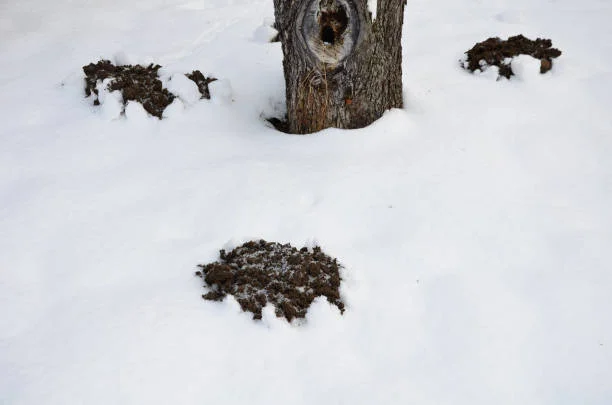
Moles. Those little underground creatures are sometimes even considered funny, thanks to animated kids’ movies at Moles Hibernate.
Moles are little mammals that dig holes in the ground to protect themselves from predators. They are subterranean animals: they eat and reproduce underground. Even though moles are small, they can actually turn into a huge problem.
And now that winter is approaching, you might be thinking, “Do moles hibernate?” But there are many misconceptions around moles and their habits nowadays. It is important to have accurate information to deal with them correctly before cold weather arrives.
Don’t worry, we’ve got you covered! In this post, we will clarify some common beliefs about moles and how to prevent them from coming to your garden in winter.
Unearthing the Truth
Let’s start by going over three common beliefs about moles and the truth behind them.
1) Moles Are Not Blind
People believe that moles are blind and cannot see at all.
While they are not entirely blind, they do have reduced sight. Moles are colorblind and cannot see things at long distances. They can identify shapes and changes in light, but mainly rely on other senses, such as smell.
Keep exploring—this related post brings fresh insights to what you just read.
2) Moles Are Active in Winter
Another common belief is that moles hibernate.
In fact, moles are active the whole year. Yes, even in winter. They are not so close to the surface during these times, though, as they will go digging deeper looking for warmer temperatures. But they are certainly still active during the cool season.
3) They Don’t Eat Plants
Contrary to common belief, moles don’t eat plants or vegetables.
They are insectivores, meaning their diet consists of insects and bugs, such as worms and ants. This actually makes them a great method to control insects in your garden. What is true is that, when digging, they might damage your plants and grass roots.
A Hell of A Problem
Even though they can be beneficial, for example, to get rid of insects and aerate the soil, moles are not good neighbors to live with. They are a problem both below the earth and on the surface.
As mentioned previously, moles burrow into the ground to make tunnels. Their activity can damage your lawn and plants, because they interrupt and break root systems. When this happens, your turf and plants might go yellow and die.
Moreover, they don’t contribute to a beautiful garden at all. When moles dig, they create molehills. These are like little mountains of loose soil, completely unaesthetic. It’s the clearest sign that these little invaders are living in your yard.
Keep Moles Away Before Winter
Now you know that cold weather will not stop moles from digging under your plants and your feet. So here are some tips to prevent these animals from sneaking into your garden before winter arrives.
- Refrain from Overwatering: When you water your garden too much, the soil becomes loose. This is perfect for moles to dig into, and it will also attract worms and insects that they can eat.
- Do Not Rush to Mulch: Usually, people put mulch before winter because it insulates plants. Unfortunately, it is also beneficial for moles. To avoid them, we recommend waiting until the first frost before putting down mulch.
- Set Up Barriers: To keep moles away, you can install barriers around flowerbeds and trees. Put clothes lines around trees, rocks, and even wire mesh. These measures will make moles go away to other places.
- Check for Other Pests: If you have insects in your garden, moles will most likely come as well. Make sure that you don’t have a bug infestation to avoid offering moles an all-you-can-eat buffet.
Don’t Dig Yourself Into a Hole!
It is not easy to identify the presence of moles during winter, as they will go deeper into the earth. But you can certainly take action before winter to eliminate the chances of moles staying in your garden and damaging your plants.
If you want to get rid of moles in the yard, consider calling professional pest control services in your area to eliminate the problem and protect your garden.
Keep learning—explore more content crafted to inspire and inform your mind.