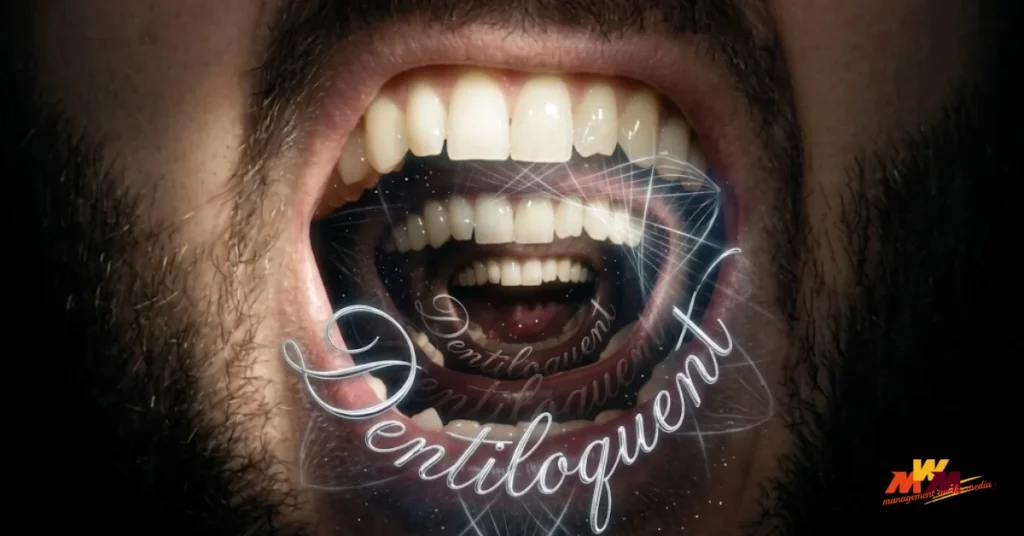
Introduction to dentiloquent
Have you ever tried to speak with your teeth clenched? It’s not easy, right? Yet, this intriguing method of communication has found its way into the literary world. Enter “dentiloquent,” a term that captures the art and challenge of expressing oneself while clenching one’s teeth. This unique speech style opens up a fascinating realm where words become more than mere sounds; they transform into an experience filled with tension and emotion.
From classic literature to contemporary works, dentiloquent speech adds layers to character interactions and storytelling. But what exactly is it about speaking through gritted teeth that resonates so deeply? Let’s dive in and explore the history, impact, and future of this rare yet captivating form of expression. Whether you’re a writer looking for inspiration or simply curious about language quirks, there’s much to uncover in the world of dentiloquent dialogue!
History of dentiloquent and its Usage in Literature
The term “dentiloquent” originates from the Latin word “denti,” meaning teeth, and “loquor,” which translates to speak. This intriguing form of speech has roots that date back centuries.
Historically, dentiloquence was used as a stylistic device in literature. Writers employed this unique speech pattern to convey tension or emotional struggle within characters. By forcing their characters to speak through clenched teeth, authors could illustrate underlying conflict or restraint.
In classic works, such as Shakespeare’s plays and Dickens’ novels, hints of dentiloquent dialogue appear subtly. These moments captivate readers by adding depth to character interactions.
Modern literature continues this tradition but often leans toward irony or humor when utilizing dentiloquent speech. Authors explore how language can be manipulated to reflect complex emotions while maintaining an engaging narrative style.
Famous Examples of Dentiloquent Speech
One of the most iconic examples of dentiloquent speech can be found in William Faulkner’s work. His characters often convey deep emotion through clenched teeth, adding a layer of intensity to their dialogues.
Another notable instance appears in J.D. Salinger’s “The Catcher in the Rye.” Holden Caulfield’s frustrated rants reflect his inner turmoil as he grapples with adolescence—all articulated through tight-lipped phrases that reveal more than they hide.
In film, Yoda from “Star Wars” employs a unique syntax combined with occasional dentiloquent moments. The way he enunciates certain words adds an element of mystique and wisdom.
These examples showcase how dentiloquy serves not just as a stylistic choice but also enhances character depth and emotional resonance, making dialogues memorable for readers and viewers alike.
The Psychological Impact of Dentiloquy
Dentiloquy, or speaking through clenched teeth, creates a fascinating psychological landscape. This unique speech style can evoke emotions ranging from frustration to humor.
When characters in literature employ dentiloquent speech, it often reflects their inner turmoil. The tightness of the jaw symbolizes repression or intense feelings that are hard to articulate. Readers feel the tension and connect with these characters on a deeper level.
Additionally, using dentiloquy in real life may serve as an emotional release. It allows individuals to express what they cannot say openly due to social constraints or personal fears. The physical act of tightening one’s jaw while speaking can mirror the pressure they feel internally.
Moreover, this speech style invites listeners to focus more intently on words spoken under duress. In doing so, it enhances communication by highlighting underlying sentiments hidden beneath surface-level dialogue—an intriguing balance between clarity and obfuscation emerges.
How to Use Dentiloquent Speech Effectively
To use dentiloquent speech effectively, start by understanding its unique rhythm. Words articulated through clenched teeth carry an unusual cadence that can enhance characterization.
Focus on the context where this style fits best. It often adds humor or tension in dialogue, making it memorable. Think about how your character’s emotions might influence their speech pattern when they’re frustrated or trying to conceal something.
Practice writing short exchanges first. Experiment with different phrases and observe how they change the tone of conversation. This will help you find a balance between clarity and the distinct sound of dentiloquy.
Listen to actors who embody this style in performances; their delivery can offer valuable insights into timing and expression. Remember, less is often more—overusing dentiloquent speech may dilute its impact. Use it sparingly for maximum effect in key moments of your narrative.
Common Mistakes When Writing Dentiloquent Dialogues?
One common mistake writers make is overdoing the effect. Excessive dentiloquent speech can distract readers rather than engage them. Subtlety often works better.
Another pitfall is using dentiloquent dialogue without context. Readers may struggle to grasp the character’s emotional state or intentions if it’s not clear why they’re speaking this way.
Failing to balance clarity with style is also an issue. While you want the dialogue to reflect that unique speech quality, it shouldn’t become a puzzle for your audience.
Neglecting character consistency can weaken your writing as well. A character should have a reason for their speech style; otherwise, it may seem forced or artificial.
Ignoring rhythm and pacing diminishes impact. Dentiloquent lines should flow naturally within conversations, enhancing tension while still being believable in tone and delivery.
The Future of dentiloquent in Literature and Pop Culture
As language evolves, so does the art of communication. Dentiloquent speech captures a unique niche that intrigues writers and creators alike.
In literature, authors may delve deeper into this style to express characters’ inner conflicts or physical struggles. The tension created by such speech can enhance emotional depth.
Pop culture is likely to embrace dentiloquy through film and television. Imagine a character in a high-stakes scene speaking with clenched teeth—each word dripping with intensity and urgency.
Social media platforms could also become venues for experimenting with dentiloquent expressions. Short videos featuring this quirky way of speaking might engage audiences seeking fresh content.
With its potential for dramatic flair, it’s exciting to consider how futurists will weave dentiloquent elements into storytelling across various mediums. This rare form of expression might just find its place at the forefront of creative innovations ahead.
Conclusion
Dentiloquent speech, with its unique charm and complexity, adds a fascinating layer to literary expression. As readers or writers delve into this rare style of communication, they uncover deeper meanings and emotional nuances. The historical context brings richness to our understanding of how language evolves in literature.
In exploring famous examples of dentiloquent dialogue, we discover the power it holds in character development and storytelling. The psychological impact on both characters delivering these lines and audiences hearing them is profound; it invites engagement that standard dialogue may lack.
Crafting dialog using dentiloquy requires care. Writers must tread lightly to avoid common pitfalls while ensuring authenticity shines through each character’s utterances. Mastering this technique can elevate one’s writing significantly.
As culture shifts and new narratives emerge, the future of dentiloquent speech seems promising within literature and pop culture alike. It’s an art form waiting for innovative minds to embrace its potential fully.
Adopting dentiloquence not only enriches text but also allows for playful experimentation with language itself—an invitation worth accepting by any writer looking to engage their audience in fresh ways.