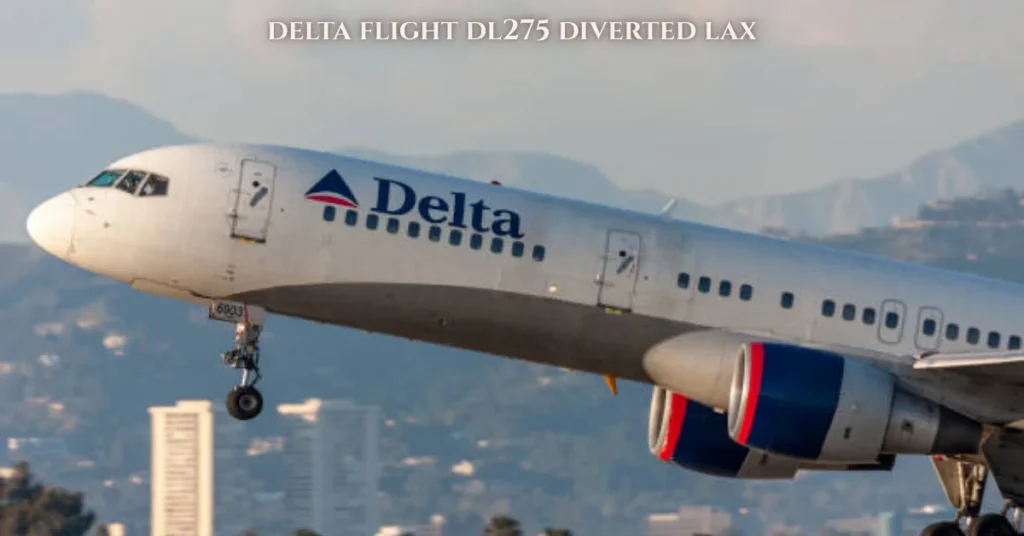
Introduction to the Delta Flight DL275 incident
On a seemingly routine day in the skies, Delta Flight DL275 found itself making headlines for an unexpected reason. What started as a typical journey transformed into a gripping narrative of uncertainty when the aircraft was diverted mid-flight to Los Angeles International Airport (LAX). Passengers aboard were left grappling with confusion and anxiety as they navigated this unanticipated turn of events. Let’s delve deeper into what happened on that fateful flight and uncover the details surrounding this incident that had travelers talking.
Details of the incident
Delta Flight DL275, en route from Atlanta to Los Angeles, experienced an unexpected diversion mid-flight. The aircraft took off with a full load of passengers, eager to reach their destination.
About halfway through the journey, the flight crew received indications of a technical issue that required immediate attention. After assessing the situation, they decided it was best to divert to LAX instead of continuing on course.
The plane touched down safely at Los Angeles International Airport. Emergency services were on standby as a precautionary measure upon landing. Passengers felt a mix of anxiety and relief when they finally landed.
While no one was hurt during this incident, it served as a reminder of how quickly situations can change in aviation. Delta Airlines kept communication open throughout the ordeal, updating passengers regularly about what would happen next.
Passengers’ reactions and experiences
As news spread about the diversion of Delta Flight DL275 to LAX, passengers experienced a whirlwind of emotions. Many felt anxiety wash over them, unsure of what was happening. Confusion and concern were palpable in the cabin.
Some travelers shared their stories on social media, detailing their reactions amid the unexpected turn. A mother traveling with her child described holding her son tightly as turbulence rattled the plane.
Others found solace in camaraderie, striking up conversations with fellow passengers to ease their nerves. Strangers bonded over shared worries and laughter lightened the mood for some.
Flight attendants worked tirelessly to reassure everyone onboard, providing updates and checking in on passengers’ well-being. The swift response helped many feel more at ease during an uncertain time.
For others, though, fear lingered long after they disembarked from the aircraft as they processed what had happened mid-flight.
Response from Delta Airlines
Delta Airlines promptly addressed the situation surrounding Flight DL275. As news of the diversion spread, their communication team quickly provided updates to both passengers and media outlets.
The airline ensured that affected travelers received necessary assistance upon landing at LAX. This included rebooking options and accommodations for those needing overnight stays. Delta’s commitment to customer care remained a priority throughout the incident.
Additionally, the airline expressed gratitude towards its flight crew for their professionalism during an unexpected event. They emphasized ongoing safety protocols designed to protect all onboard.
Delta also encouraged customers to reach out with any concerns or questions regarding their travel plans post-incident. The swift response demonstrated not only their dedication but also reinforced trust in air travel operations during uncertain times.
Possible causes of diversion
Delta Flight DL275 was diverted for several reasons that can often arise during air travel. One common factor might be adverse weather conditions, such as turbulence or storms in the intended flight path. This scenario requires immediate action to ensure passenger safety.
Another possibility is mechanical issues with the aircraft. Modern planes are equipped with multiple systems, but even small anomalies can prompt pilots to seek safer ground.
Medical emergencies onboard can also lead to diversions. If a passenger has a severe health crisis, landing at the nearest airport becomes crucial for timely medical assistance.
Air traffic control instructions could play a role too. Unexpected changes in airspace regulations or congestion may necessitate an unscheduled landing.
Each of these scenarios highlights the complexities involved in flying and how quickly situations can change mid-air.
Safety measures and protocols during mid-flight emergencies
Air travel is one of the safest modes of transportation, thanks to rigorous safety measures. Airlines have protocols in place for various mid-flight emergencies. These include mechanical issues, medical emergencies, and severe weather.
Crew members are extensively trained to handle crises efficiently. They conduct regular drills and simulations to prepare for unexpected situations. Communication with air traffic control is crucial during these events.
Passenger briefing before takeoff ensures everyone knows what to do in an emergency. Safety cards are conveniently placed in seatbacks, outlining evacuation procedures.
Aircraft are equipped with advanced technology that monitors systems continuously. This allows pilots to detect potential problems early on and respond appropriately.
When diversions occur, it’s often a precautionary measure aimed at ensuring passenger safety above all else. Each step taken by the crew reflects a commitment to keeping everyone onboard as safe as possible throughout the flight experience.
Conclusion: the importance of preparedness and safety in air travel
The recent incident involving Delta Flight DL275 diverted to LAX serves as a reminder of the unpredictable nature of air travel. While it can be unsettling for passengers, aviation safety protocols are designed to handle such occurrences effectively.
Airlines like Delta prioritize passenger well-being through rigorous training and contingency planning. This ensures that both crew and travelers remain calm during unexpected situations.
As incidents like these unfold, travelers are encouraged to stay informed about airline policies and emergency protocols. Proactive readiness is the critical factor in guaranteeing a secure and protected travel experience.
In an industry where millions fly daily, it’s vital to recognize the importance of preparedness and safety measures in air travel. Awareness not only enhances individual security but also reinforces trust in airlines committed to upholding high safety standards.