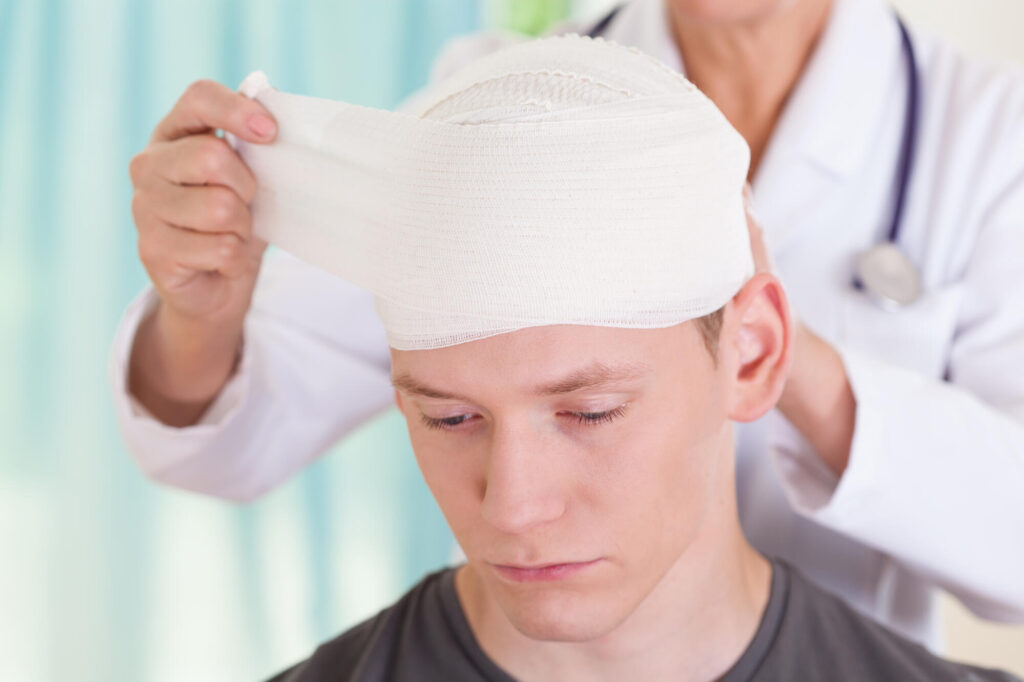
Catastrophic injuries are severe injuries that change a person’s life in a major way. These injuries often lead to long recovery times, permanent disability, or loss of basic body function. In many cases, victims are unable to return to their normal work or daily routine.
These injuries also affect families, as care needs and medical costs can grow quickly. Emotional stress is also common, since life may not return to how it was before. Understanding these injuries is the first step in knowing what support may be needed.
Continue reading to discover everything you need to know.
Traumatic Brain Injuries
One of the most serious types of catastrophic injuries is a traumatic brain injury. This can happen after a strong impact to the head, such as in a car crash or fall. The brain may be damaged in a way that affects memory, speech, or movement.
Some victims may experience long-term confusion, mood changes, or difficulty thinking clearly. In severe cases, a person may lose the ability to live independently. Recovery can take months or even years, and these injuries often require ongoing medical care and support.
Spinal Cord Injuries
Spinal cord injuries are also life-changing and often lead to partial or full paralysis. The spinal cord carries signals between the brain and the body, so damage can affect movement and feeling. These injuries are common in serious accidents like vehicle crashes or falls from height.
Victims may lose the ability to walk or use their arms and legs. Many need wheelchairs or special equipment for daily life.
Medical treatment and rehabilitation can be long and costly. These injuries often require lifelong care and support systems.
Severe Burn Injuries
Burn injuries can also be catastrophic, especially when they cover large areas of the body. Burns may happen from fires, chemicals, electricity, or explosions. These injuries are very painful and often require surgery and skin treatment.
Severe burns can lead to permanent scarring and loss of movement in affected areas. They may also cause emotional trauma due to visible changes in appearance. Recovery is often slow and difficult.
Amputations and Loss of Limbs
Amputation injuries involve the loss of a body part, often due to accidents or medical emergencies. This type of injury can happen in workplace accidents, car crashes, or machinery incidents. Losing a limb changes how a person moves and performs daily tasks.
Many victims need prosthetic limbs and long-term rehabilitation. Learning to adjust to new physical limits can take time and effort. Emotional recovery is also an important part of the process, and these injuries often have a lasting impact on quality of life.
Internal Organ Damage
Internal injuries are not always visible, but can be very dangerous. Damage to organs like the lungs, liver, or kidneys can happen in high-impact accidents. These injuries may require emergency surgery and intensive care.
If not treated quickly, internal injuries can become life-threatening. Even after treatment, some victims may face long-term health problems. Regular medical care is often needed after recovery, and these injuries should always be taken seriously.
Emotional and Psychological Impact
Catastrophic injuries not only affect the body but also the mind. Many victims experience anxiety, depression, or post-traumatic stress. These emotional effects can be just as serious as physical injuries.
Support from counselors and mental health professionals is often needed. Family and friends also play an important role in recovery. Emotional healing takes time and care, and it is a key part of the overall recovery process.
Causes of Catastrophic Injuries
These injuries often happen due to accidents that could have been prevented. Common causes include car crashes, workplace accidents, falls, and defective products. In some cases, negligence or carelessness plays a role.
Understanding the cause of an injury is important for legal action. It helps determine who may be responsible, and this can lead to compensation for medical bills and other losses. Identifying the cause is a key step in seeking justice.
Legal Rights of Victims
Victims of catastrophic injuries may have the right to seek compensation. This can include payment for medical costs, lost income, and long-term care. Legal action can also help cover pain and suffering.
Many people choose to speak with a personal injury lawyer to understand their options. Legal support can help guide victims through complex processes, and it also helps protect their rights during recovery. Knowing your rights is important after a serious injury.
The Role of Evidence in Legal Cases
Evidence is important when building a legal case for injury claims. Medical records, accident reports, and witness statements can all support a claim. Photos and documentation also help show what happened.
Strong evidence can improve the chances of fair compensation. It helps prove responsibility and the extent of the injury.
Keeping records is very important after an accident. Clear evidence supports a stronger case.
Settlements and Court Cases
Many injury cases are resolved through settlements. This means both sides agree on compensation without going to trial.
Settlements can save time and reduce stress for victims. However, some cases may go to court if an agreement cannot be reached.
In court, a judge or jury decides the outcome. Both options aim to provide fair results. Legal guidance can help victims choose the best path.
Long Term Care and Recovery
Catastrophic injuries often require long-term care. This may include physical therapy, medical devices, or home support. Recovery is usually slow and may continue for years.
Planning for long-term needs is important for both victims and families. Support systems can improve quality of life.
Care plans help manage daily challenges. Recovery is a long but important journey.
Seeking Justice and Moving Forward
Victims of catastrophic injuries face many challenges, but legal options can provide support and relief. Understanding the types of injuries and available rights is the first step. It helps victims make informed decisions about their future.
With the right medical care, emotional support, and legal guidance, recovery becomes more manageable. While life may change after a serious injury, support systems can help rebuild stability. Taking action early can make a meaningful difference in the long term.
Expand your knowledge and check out more posts on our blog!